Shimogamo Shrine: Kyoto’s Ancient World Heritage Shrine
Hidden among the tranquil forest near the meeting of Kyoto’s Kamo and Takano Rivers, Shimogamo Shrine (下鴨神社) is one of Japan’s oldest and most historically important Shinto shrines. Together with its sister shrine, Kamigamo Shrine, it forms a pair of sacred sites that have protected Kyoto since before the capital was established here. Today, Shimogamo Shrine is celebrated as a UNESCO World Heritage Site, drawing visitors for its serene atmosphere, ancient ritual traditions, and beautiful natural surroundings.
The History of Shimogamo Shrine
Formally known as Kamomioya Shrine, its origins are unclear, but records confirm it existed as early as 677. Legend claims its enshrined deities trace back to the age of Emperor Jimmu. Because Shimogamo Shrine predates the capital’s move from Nara to Kyoto, it later became one of the guardian shrines of the new capital.
The aoi (hollyhock) plant, symbol of both Shimogamo and Kamigamo Shrine, is displayed throughout the grounds.
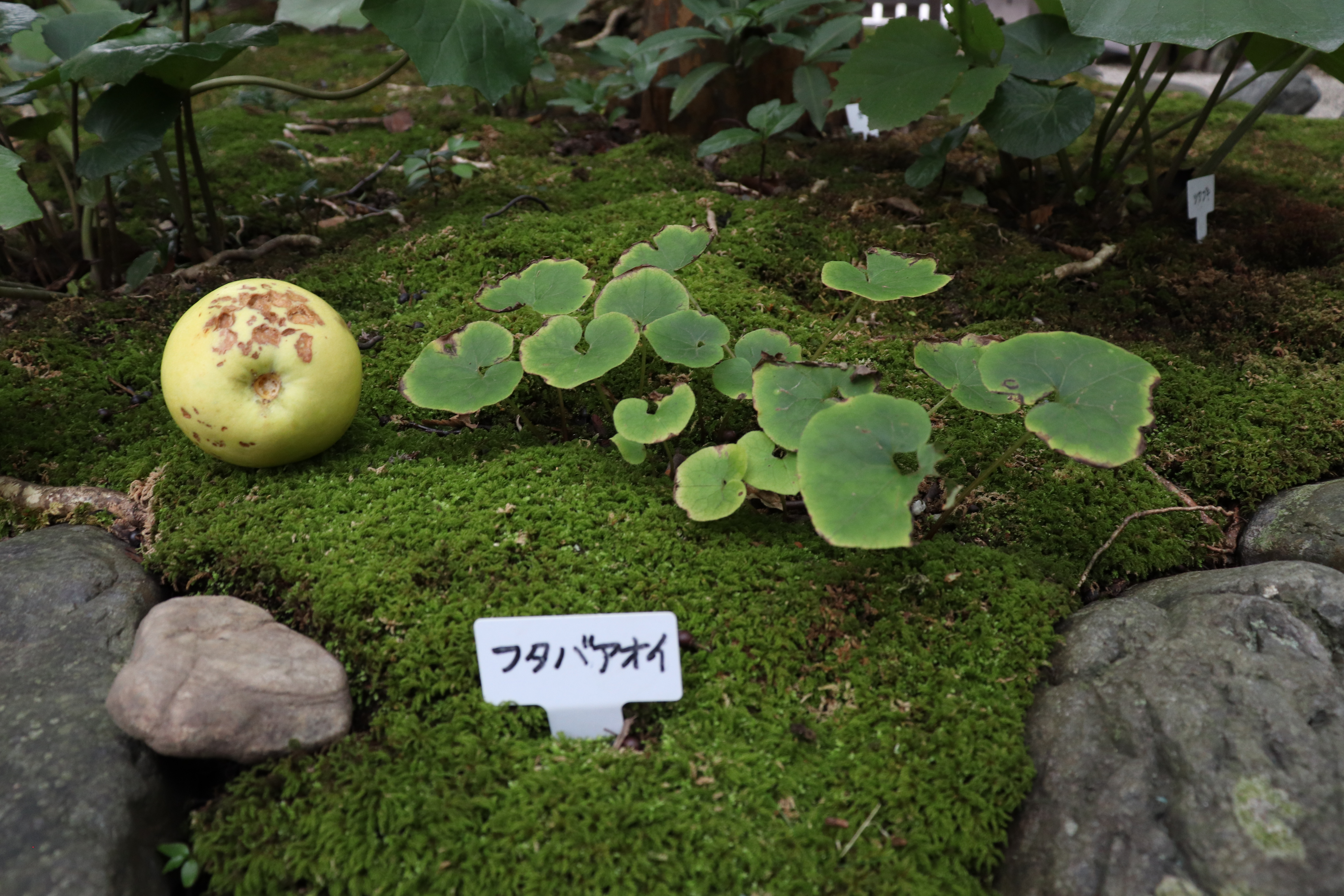
Deities
Shimogamo Shrine’s main deities are Kamotaketsunumi no Mikoto [加茂建角身命] and his daughter Princess Tamayori, the mother of Kamowake Ikazuchi no Mikoto, the deity of Kamigamo Shrine. Although these kami do not appear in the Kojiki, mythology says that Kamotaketsunumi no Mikoto transformed into the three-legged raven, Yatagarasu, guiding Emperor Jimmu safely from Kumano to Nara.
You can even find Yatagarasu omikuji at Kamigamo Shrine!
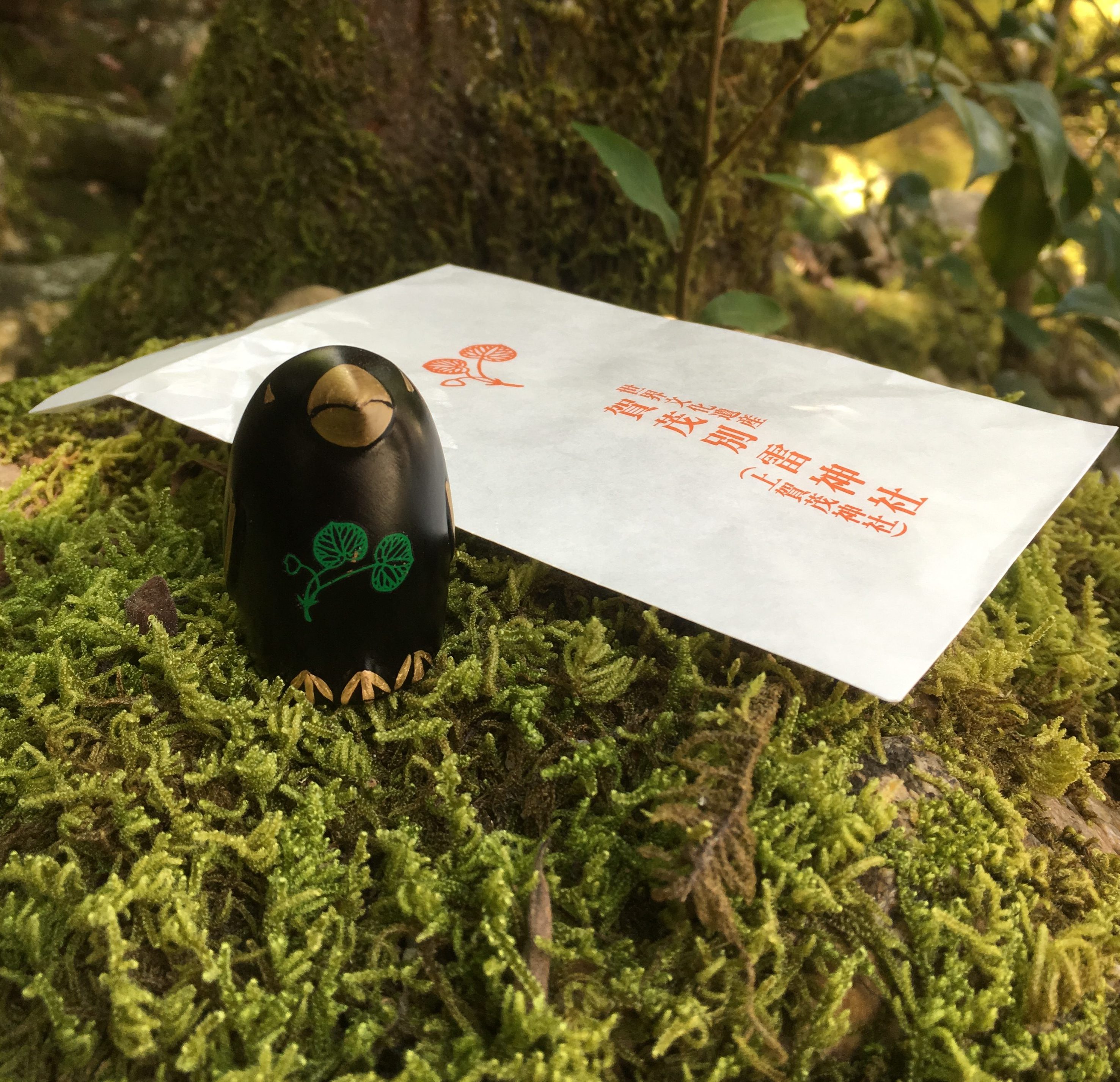
For more information on these deities, see our post on Kamigamo Shrine and our introduction to Japanese mythology.
Shimogamo Shrine Grounds
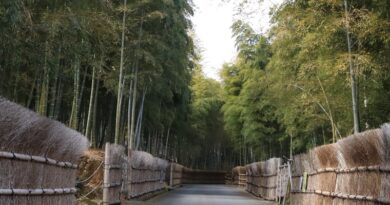
Shimogamo Shrine stands at the confluence of the Kamo River and Takano River. From the entrance, a straight sando (path) leads to the main buildings, passing through Tadasu no Mori, a sacred forest referenced in classic Japanese literature.
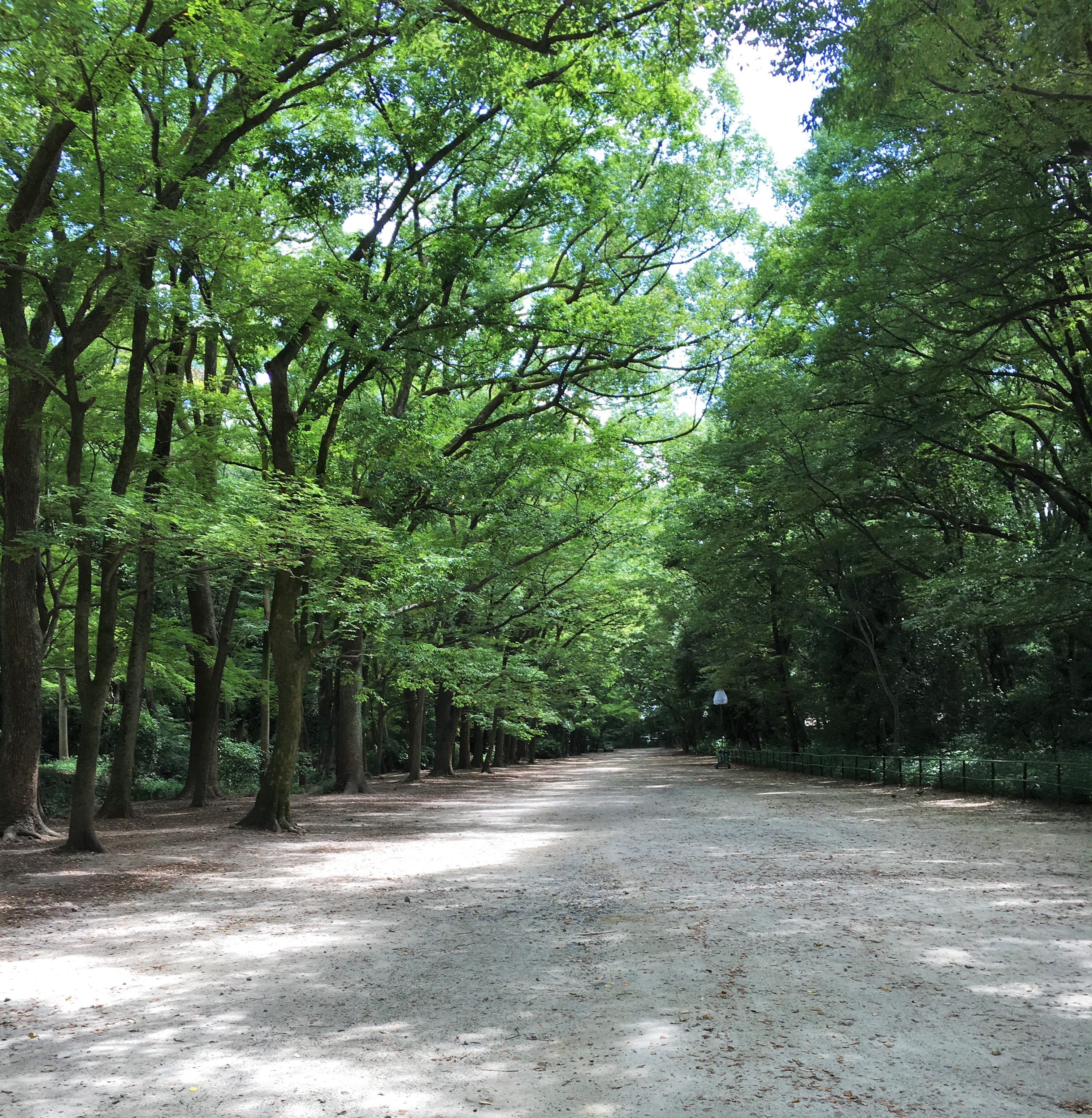
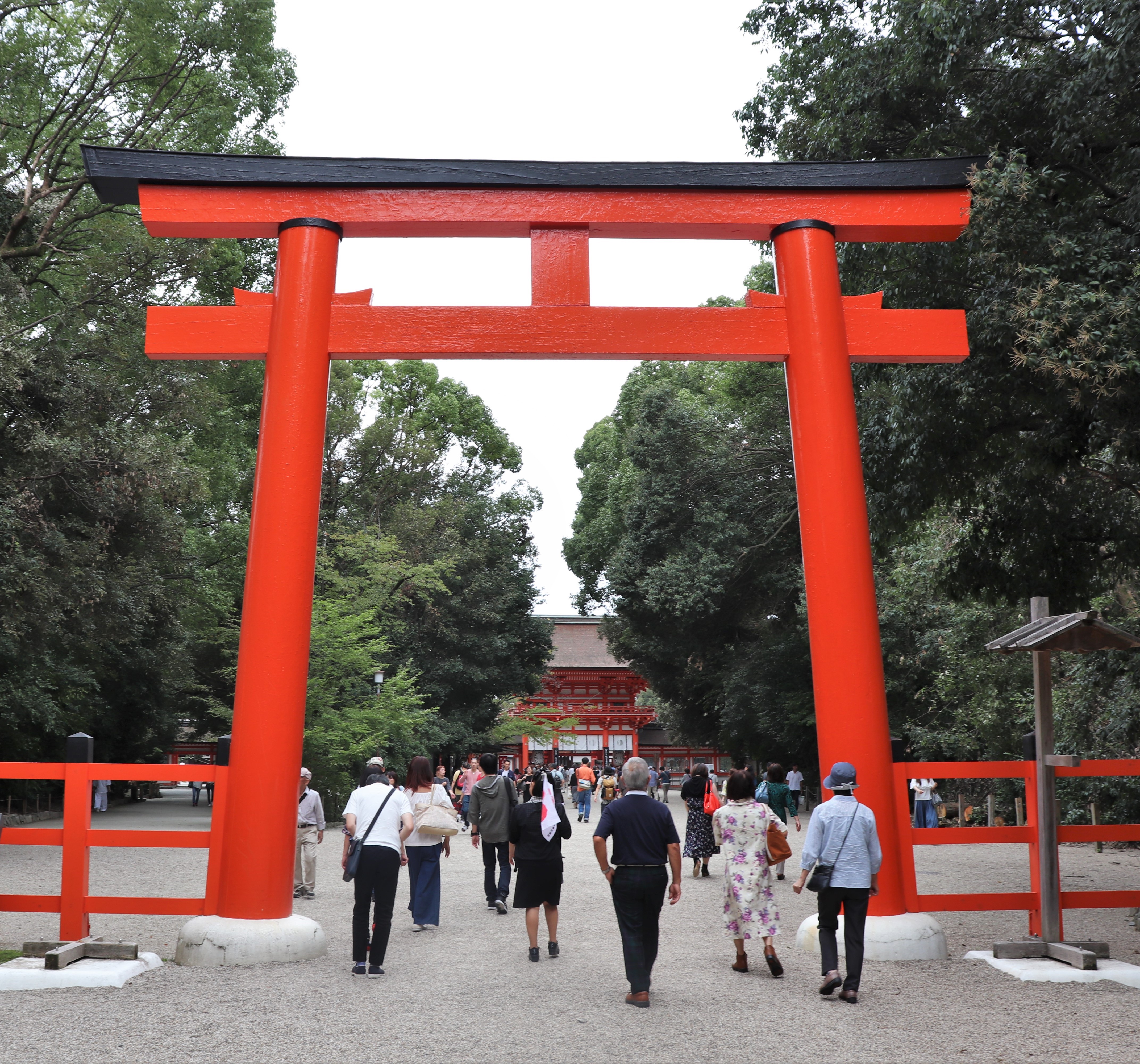
After a few minutes of walking through the forest, you will see the main shrine building.
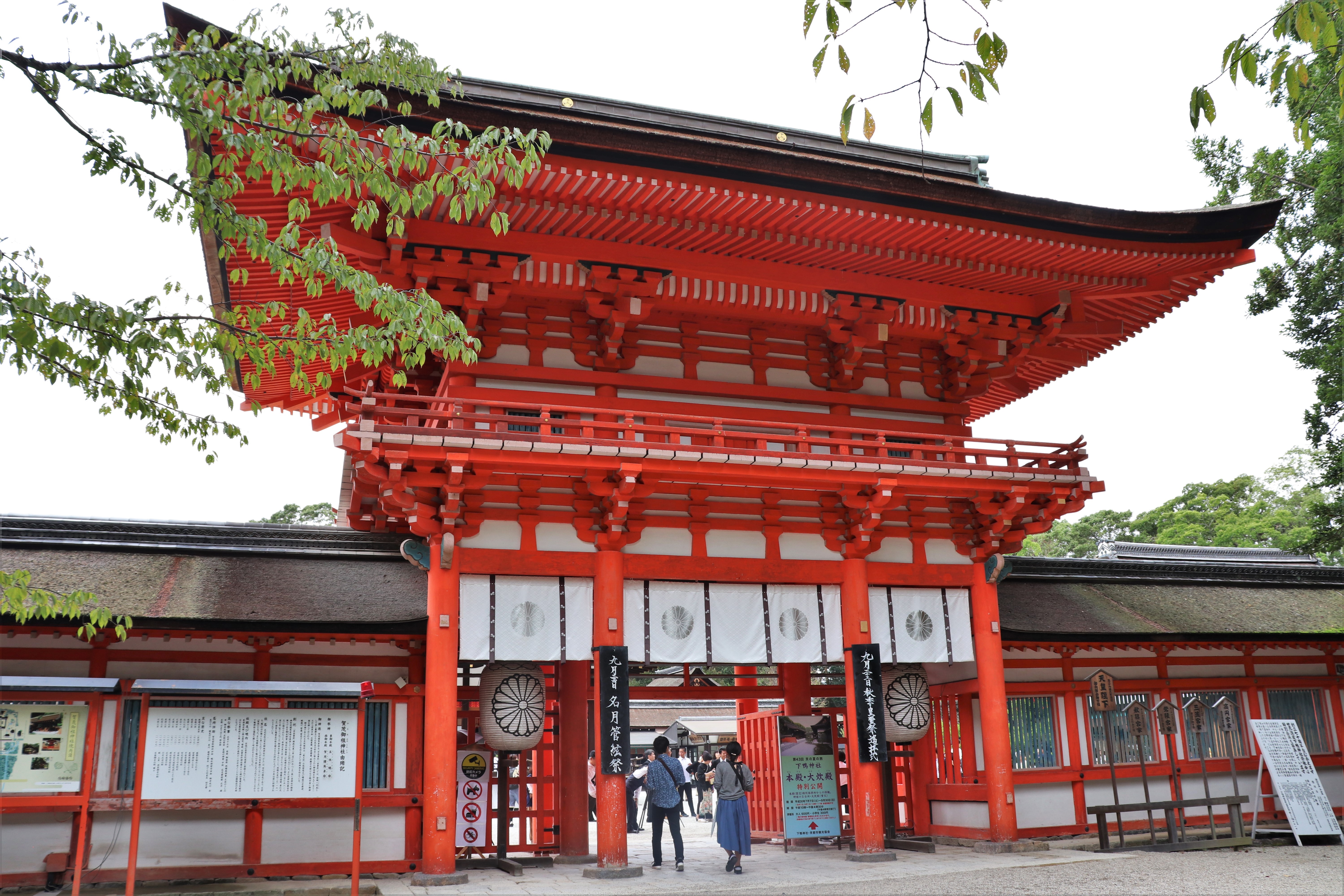
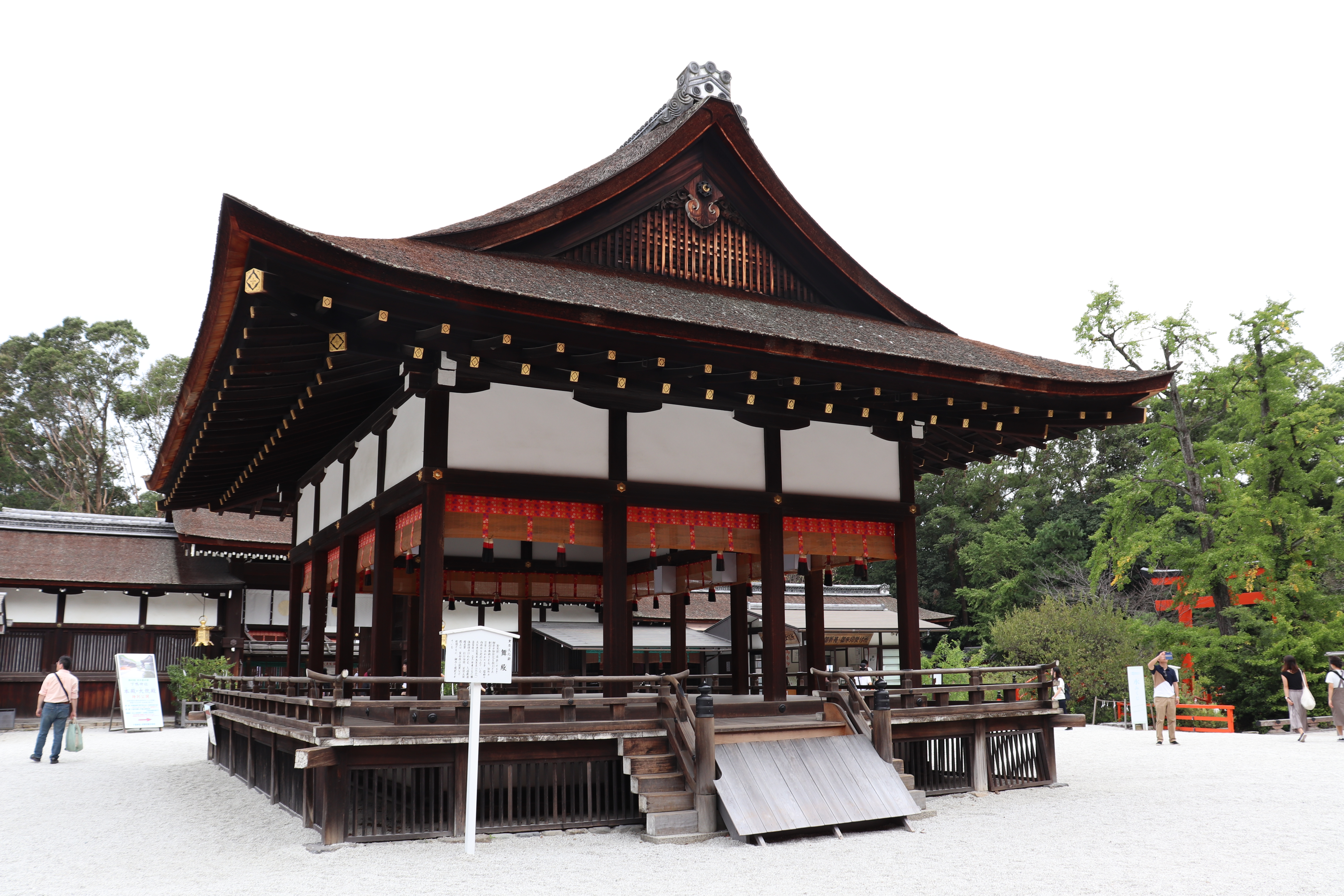
Shimogamo Shrine is not very big. Many of the buildings in the inner shrine grounds are usually used only for Aoi Matsuri, one of the most famous festivals in Kyoto.
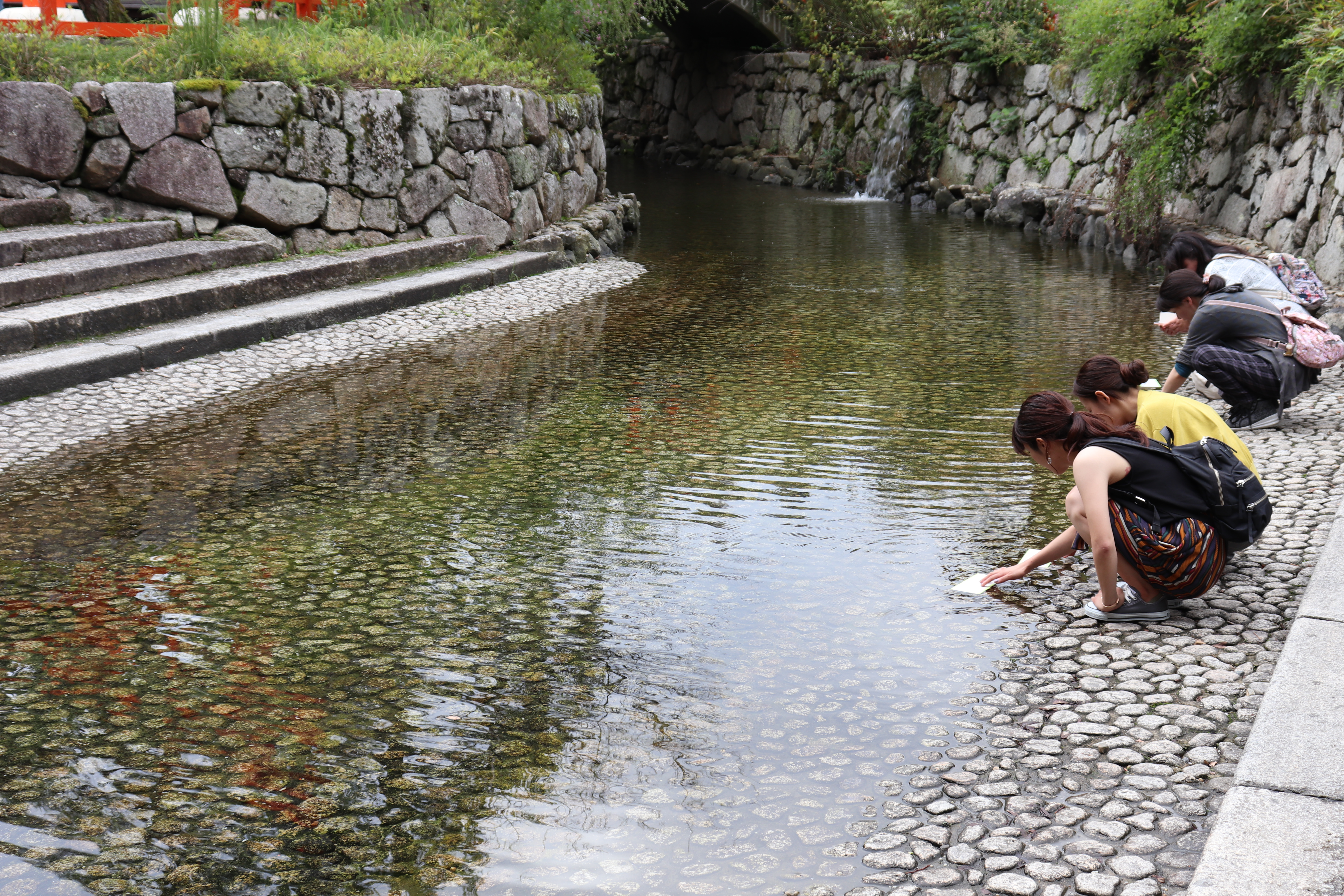
In the shrine grounds is Mitarashi Ike, a famous pond said to rid you of disease if you soak your feet in its waters.
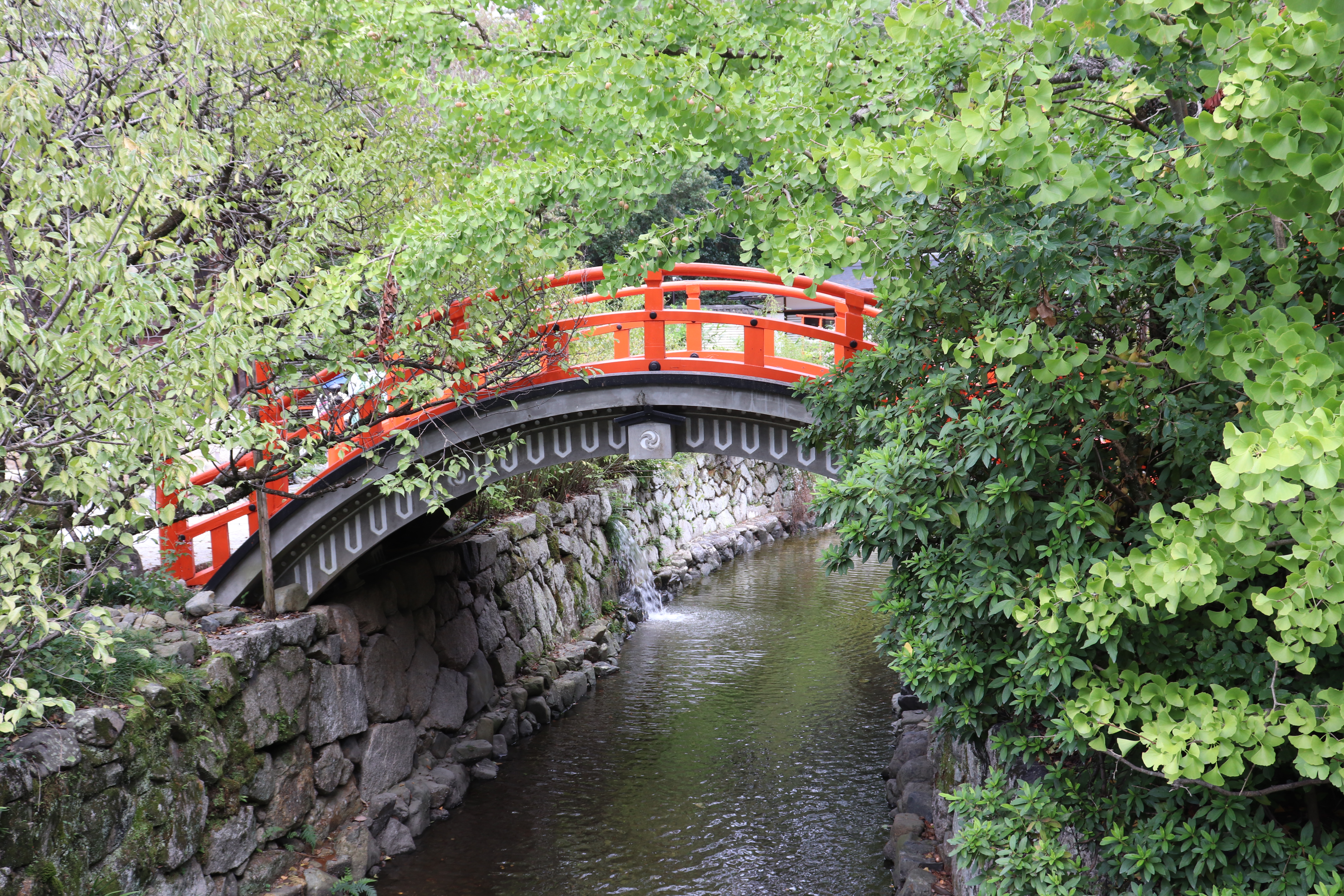
Visiting Shimogamo Shrine offers a quiet glimpse into Kyoto’s ancient spiritual life. Even though photography is restricted inside the inner area, including the honden, the journey through Tadasu no Mori, the elegant shrine buildings, and the tranquil Mitarashi Pond makes the experience deeply memorable.
If you have time to explore only a few shrines in Kyoto, Shimogamo is well worth the visit—both for its cultural significance and the peaceful atmosphere found just minutes from the city.
Shimogamo Shrine
| Address |
59 Shimogamo Izumigawacho, Sakyo Ward, Kyoto, Kyoto Prefecture
|
| Website |
http://www.shimogamo-jinja.or.jp/
|
| Getting There |
Shimogamo Shrine is easy to reach: Buses from Kyoto and Kawaramachi Stations:
|
| Hours |
Mon-Sun: 6:30-17:00
|
| Admission |
Main shrine grounds: Free Inner shrine grounds tour: 500 yen |
| Notes |
|


Leave a Reply