Kamigamo Shrine and the Ancient Gods of Kyoto
In the northern reaches of Kyoto lies Kamigamo Shrine, one of the city’s most revered and historic sites. Together with Shimogamo Shrine to the south, it has long stood as a spiritual guardian of the old capital. Walking through its serene grounds, you can sense centuries of history in the air—from the gentle flow of its streams to the carefully maintained sand mounds and ancient gates. With its rich mythology, connections to legendary figures, and centuries-old rituals, Kamigamo Shrine is not just a shrine—it’s a living window into Kyoto’s past.
Kamigamo Shrine
The Myth of Wakeikazuchi
Legend says that Princess Tamayori, enshrined at Shimogamo Shrine, discovered an arrow while playing in the river. She brought it home, and miraculously, later conceived Wakeikazuchi.
One day, Wakeikazuchi’s father asked him for a cup of sake. Since his father had always been suspicious of the boy’s parentage, he asked Wakeikazuchi, “Point to where your real father lives.” The boy then pointed to Mt. Koyama and flew into the sky, never to return. From that day forward, everybody knew his true father must be a god.
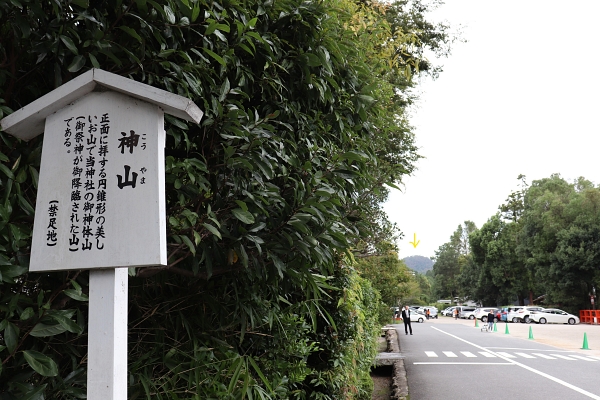
In the 7th century, Kamigamo Shrine was established to enshrine the mountain itself, linking the shrine’s origins to this fascinating legend.
Shrine Grounds
Near the entrance, a small stream merges with the Nara no Ogawa, which eventually flows into the Kamogawa River. The gentle sounds of water bring a sense of calm and renewal as you step into the sacred grounds.
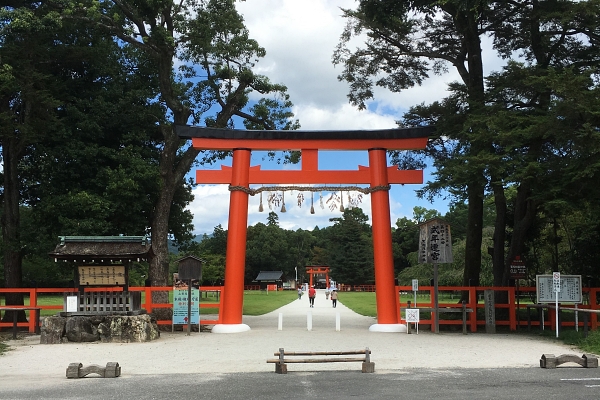
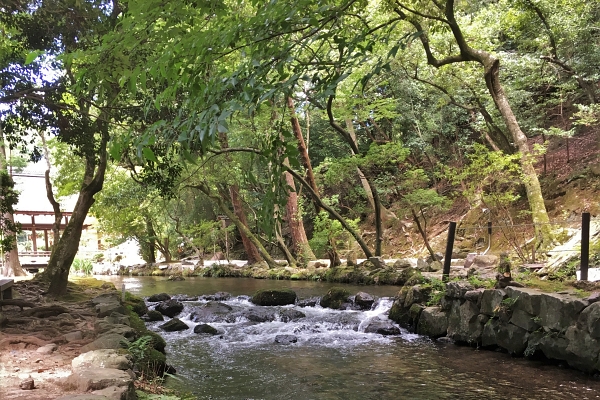
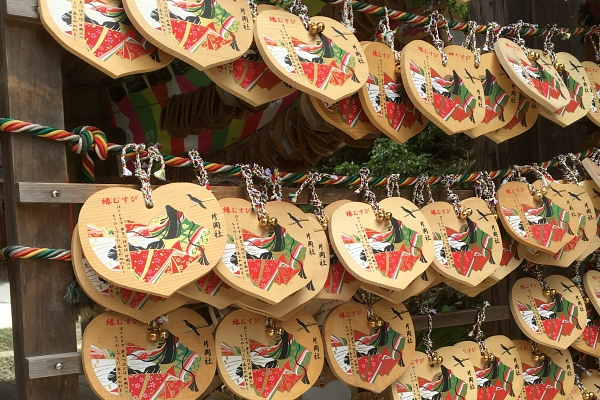
In Kamigamo Shrine lies a little shrine, called Kataoka Shrine, which enshrines Princess Tamayori, the mother of the main deity Kamowakeikazuchi.
Lady Murasaki, the author of The Tales of Genji, even visited this temple many times in hopes of finding true love. There, she recited the following poem:
「ほととぎす 声まつほどは 片岡の 森のしずくに たちやぬれまし」
[Hototogisu Koematsuhodo-wa Kataoka-no Mori-no shizuku-ni Tachiyanuremashi.]
“While waiting for the sound of the cock’s crow, I got drenched standing in the forest of Kataoka”
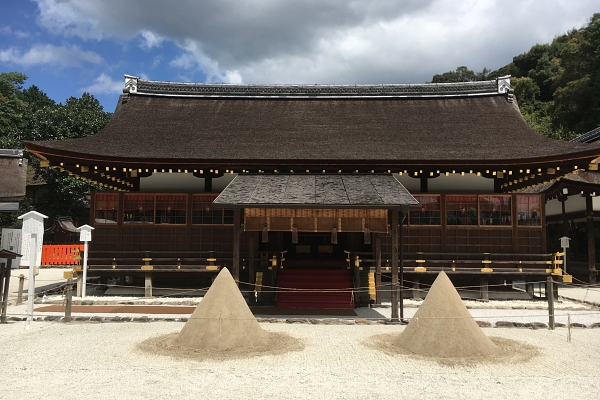
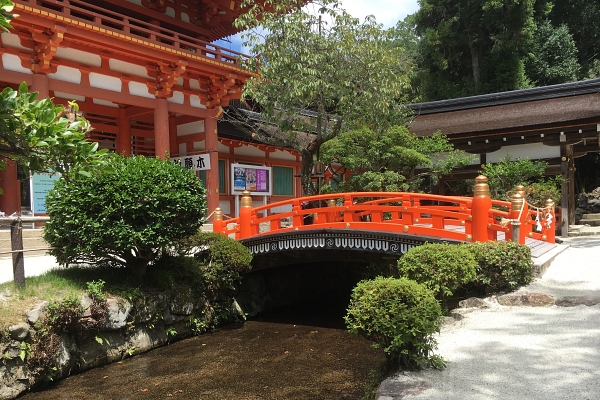
Further inside, you’ll see the Tatetsuna sand mounds, carefully shaped to represent Mt. Koyama. Pine needles scattered atop them add a mysterious charm, though their meaning remains a bit of a puzzle. Passing the Romon Gate and Kusu Bridge, you feel a tangible connection to centuries of devotion and architecture.
Honden
Behind the Takakuraden, the main shrine building, or honden, houses Kamowakeikazuchi no Ookami, the powerful deity of thunder. According to the Yamashiro-koku Fudoki, his powers are so strong he can split thunder with his name itself (雷 = thunder, 別 = divide).
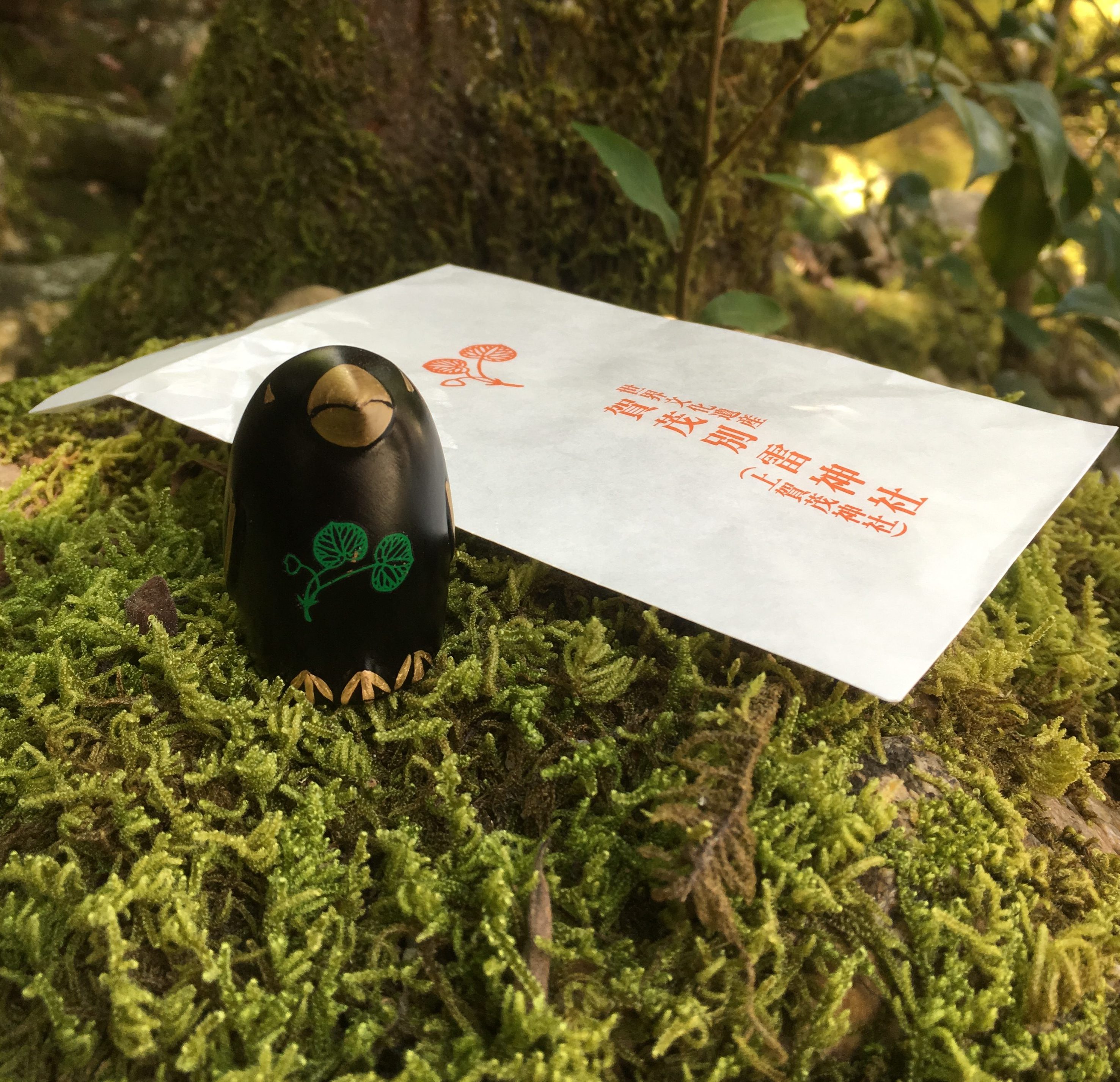
The mythical Yatagarasu, the three-legged crow that guided Emperor Jimmu, is also associated with Kamigamo Shrine, adding layers of legend to the site. Together with Shimogamo Shrine, Kamigamo enshrines the gods of the Kamo clan, who once inhabited this region.
Points of Interest
Shake-machi
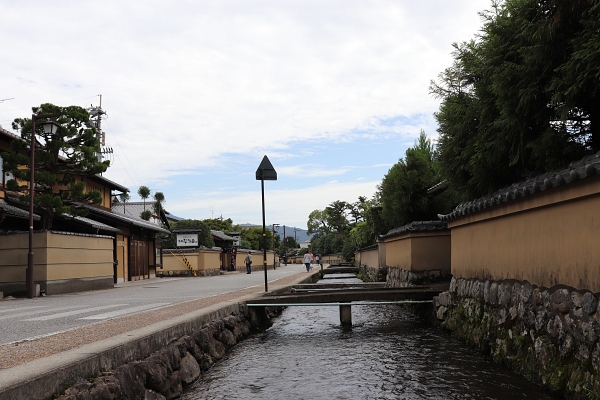
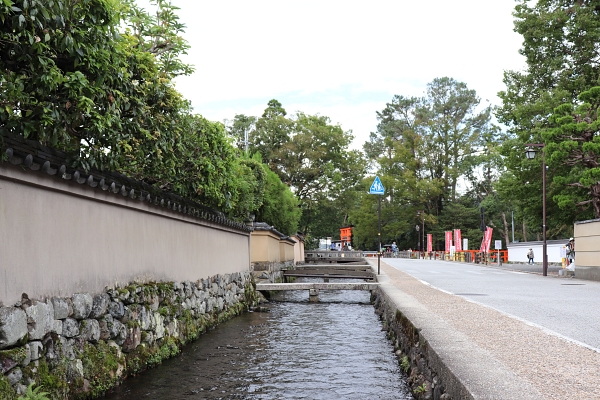
Shake-machi is a small neighborhood surrounding the shrine, filled with preserved traditional Japanese houses that once belonged to Shinto priests. Among them, Nishimura House is open to the public (except in winter), offering a glimpse into the daily lives of those who served the shrine.
A small stream winds through Shake-machi, adding charm to the area and enhancing the sense of timelessness. Walking here, you feel like you’ve stepped back into Kyoto centuries ago.
Kamigamo Shrine
| Address |
339 Motoyama, Kamigamo, Kita-ku, Kyoto City, Kyoto Prefecture
|
| Website |
http://www.kamigamojinja.jp/
|
| Getting There |
Kamigamo Shrine is in northern Kyoto, so it takes some time to reach. The easiest way is via Kyoto city buses 4 or 46 from stations like Kyoto, Kawaramachi, Kitayama, Shijo, or Nijo.
|
| Hours |
Mon-Sun: 5:30-17:00
|
| Admission |
Main shrine grounds: Free Inner shrine tour: 500 yen
|
| Notes |
Why Visit Kamigamo Shrine? Kamigamo Shrine is more than a historic site—it’s a living cultural experience. From the sound of flowing streams to the legends of Wakeikazuchi, the shrine offers history, spirituality, and beauty all in one visit. Walking its grounds, exploring Shake-machi, and taking in the serene gardens, you feel a deep connection to Kyoto’s past that can’t be replicated on a map or in a guidebook.
|


Leave a Reply