Kyo Kaido Walk 3: The Final Journey from Kyoto to Osaka
The Kyo Kaido is the old highway that once connected Kyoto and Osaka, carrying travelers, merchants, and messengers between the two cities. After following the route from Kyoto, we’ve finally reached the last stretch, winding through quiet post towns, bustling local streets, and historic landmarks.
It’s a long walk, but every corner tells a story
To learn more about Japan’s historic highway, read here: Kaido, Japan’s Historic Roads
Walking the Historic Kyo Kaido: The Final Journey from Moriguchi to Osaka
Starting at Moriguchi-juku – The Last Post Town on Kyo Kaido
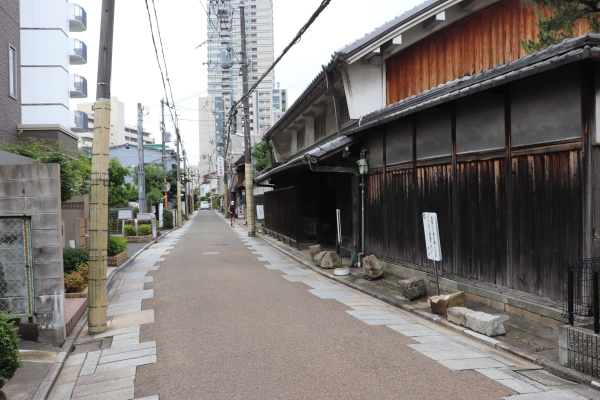
Stepping off Moriguchi Station on the Osaka Metro Tanimachi Line, you immediately find yourself in Moriguchi-juku, the final post town along the Kyo Kaido.
The town sits on a levee called Bunroku Tsutsumi, built by Toyotomi Hideyoshi in the 16th century. This levee once stretched more than 20 kilometers along the Yodogawa River toward Osaka. Today, only a small section remains, a quiet reminder of the engineering that helped protect and connect the region. Walking along it, you can almost imagine travelers from centuries ago making their way toward the city.
Through Keihan Higashi-dori Shopping Street
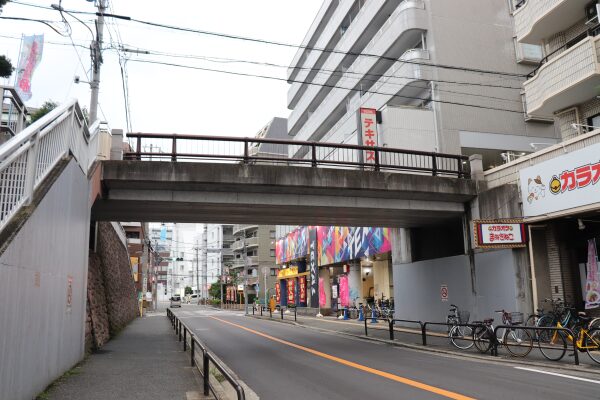
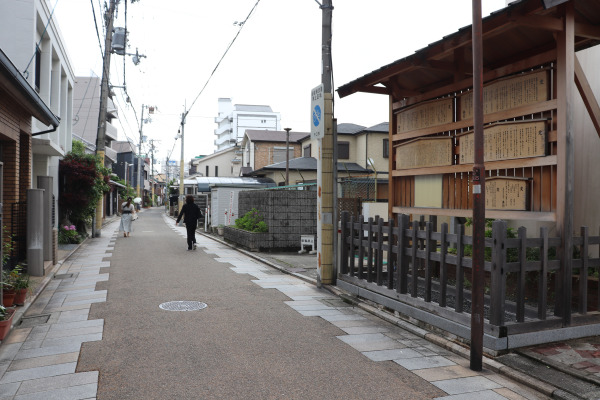
A short stroll from Moriguchi-juku brings you to Keihan Higashi-dori Shopping Street, where the Kyo Kaido still runs straight through the center. Many old highways in Japan eventually became shopping streets, and this is a perfect example — the town’s prosperity grew around the busy route.

It was early on a holiday morning when I visited, so most shops were still closed. Even so, the street felt lively, like it had its own heartbeat. Right in the middle stands Morii Shrine, quietly watching over the street as the morning light filters through.
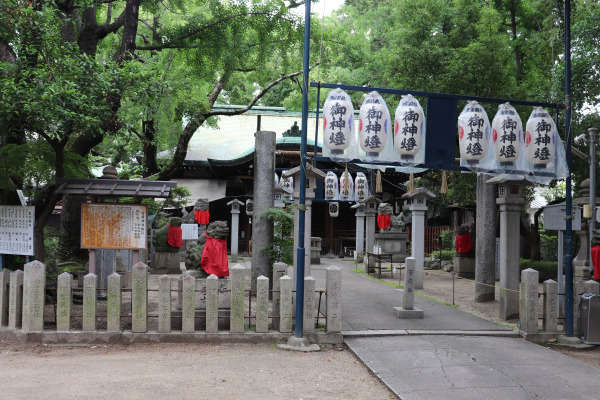
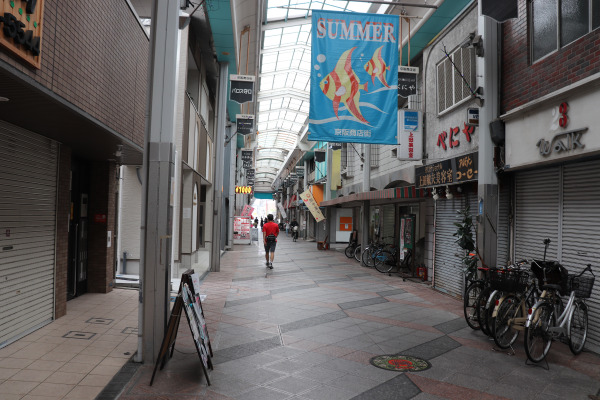
A good reminder: even quiet streets carry centuries of history beneath your feet.
Entering Osaka City – From Moriguchi to Senbayashi
From here, the Kyo Kaido briefly merges with National Route 1 before entering Osaka City near Taishibashi-Imaichi Station. The moment you cross into the city, you feel a shift: the quiet post-town atmosphere gives way to the hum of urban life.
It’s hard to believe that this is the same road we started walking on back in Yamashina, Kyoto. After so many kilometers, the city’s energy is palpable, and the long journey feels like it’s almost complete.

Senbayashi Shopping Street – Where Old Meets New
The road narrows and winds into Senbayashi Shopping Street, one of Osaka’s most famous arcades. Stretching 600 meters, it’s lined with small shops, local eateries, and the birthplace of Daiei, one of Japan’s first supermarket chains. Prices are still remarkably affordable — a real treat for history lovers and bargain hunters alike.
Although the Kyo Kaido only crosses the arcade briefly, wandering through it can easily take 30 minutes. The mix of old architecture and lively modern shops makes this a memorable stop on the journey.
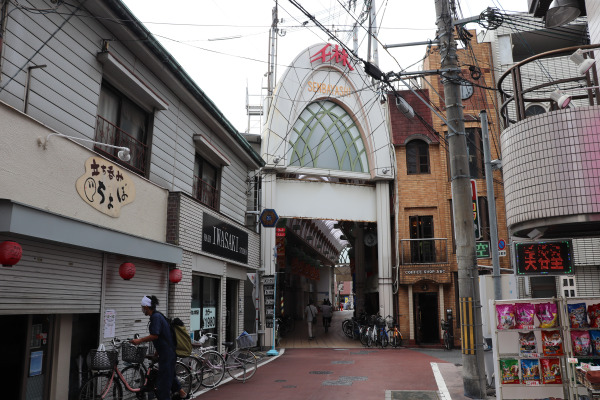
The Twisting Road of Sekime and the Shrine of Water
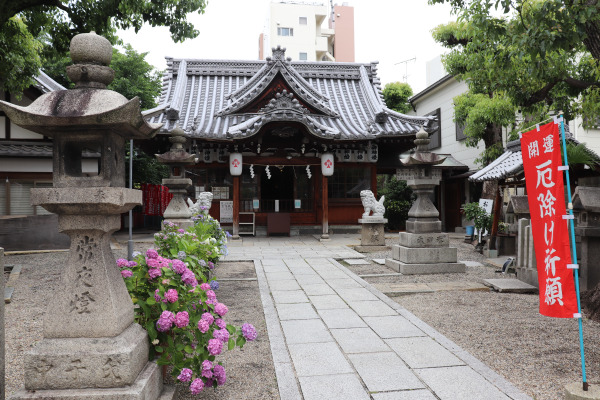
Around Sekime, the road curves sharply several times, a feature known as Sekime-no-nanamagari. Legend says Hideyoshi designed these turns to make it harder for enemies to approach Osaka Castle directly — a clever reminder of history hidden in plain sight. Nearby stands Sekime Shrine, a quiet place to pause and reflect before continuing on.

Further along, the Kyo Kaido passes Noe Suijinja Shrine. The word “sui,” meaning water, recalls the area’s history of floods. Miyoshi Masanaga enshrined a water deity here, and standing near the shrine, you feel how people in the past relied on both faith and ingenuity to live with the river.
Here, the scenery tightens — houses stand closer, and the city feels denser. You can sense downtown Osaka approaching.
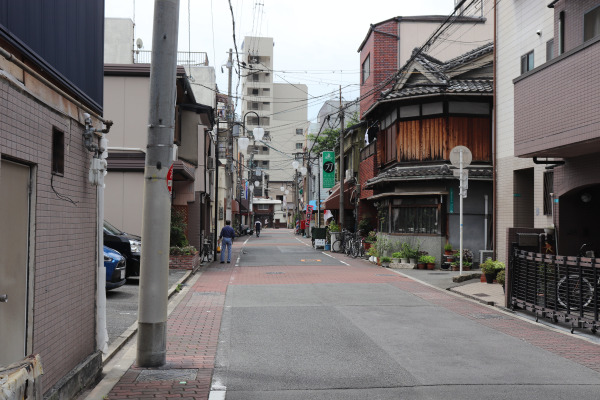
From Kyobashi to the Heart of Osaka
Soon, the road opens into Kyobashi, one of Osaka’s liveliest neighborhoods. The Kyobashi-Chuo and Shin-Kyobashi shopping streets stretch out near the station, filled with small bars, restaurants, and shops — a popular after-work hangout for locals.
Interestingly, Kyobashi Bridge, the actual bridge the name refers to, lies about a kilometer west near Osaka Castle. Still, locals simply call the area “Kyobashi.” Walking here, the city feels dense, alive, and yet still layered with history.
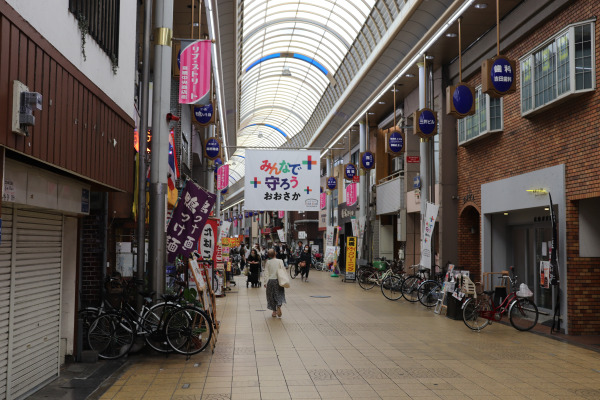
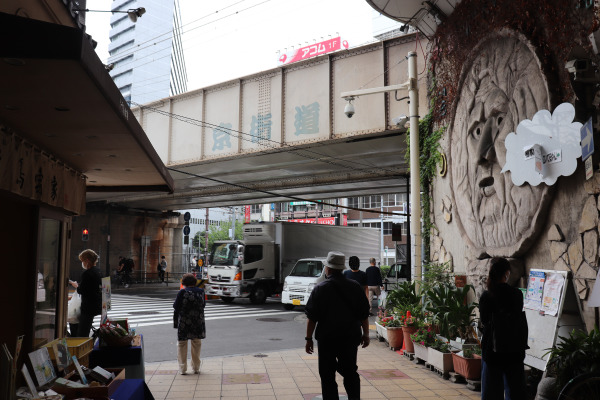
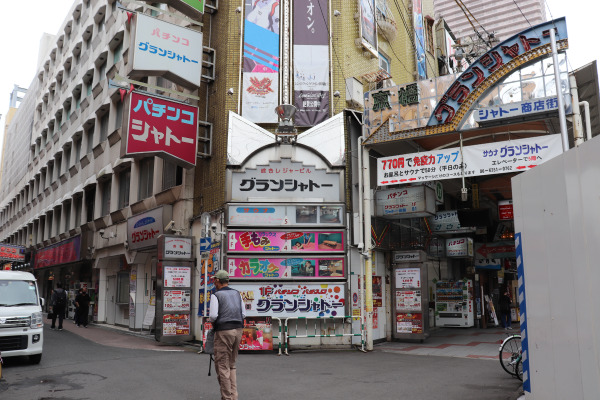
Walking between JR and Keihan Kyobashi Stations, the Kyo Kaido continues straight along what used to be the Namazue River. When the river was filled in, houses appeared on only one side, giving the district its name: Katamachi (“one-sided town”). The old JR Katamachi Station is gone now, but its name survives at the intersection nearby.
Before long, the unmistakable form of Osaka Castle rises ahead — a sign that the journey is nearly complete.

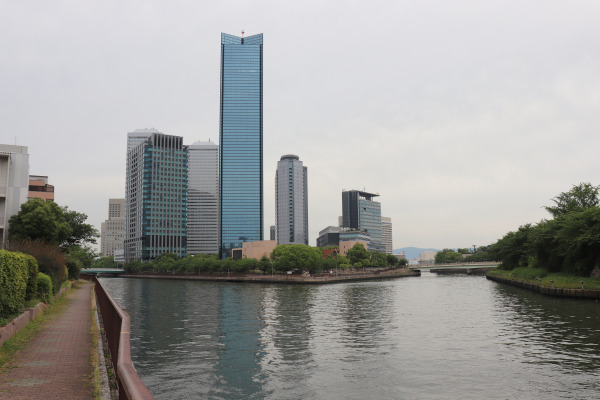
And finally, Kyobashi
Although the Kyo Kaido technically continues to Koraibashi Bridge, during the Edo period, this spot at Kyobashi was seen as the true endpoint. A grand Kyobashi Gate, once part of Osaka Castle’s outer defenses, stood here to welcome travelers from Kyoto. Sadly, the gate was destroyed in the Great Osaka Air Raid, leaving behind only the memory of what must have been an impressive sight.
Still, for countless travelers, reaching Kyobashi Bridge was the moment they truly felt they had arrived in Osaka. Standing here today, with Osaka Castle visible in the distance, you can almost imagine the relief and excitement they must have felt after their long journey.

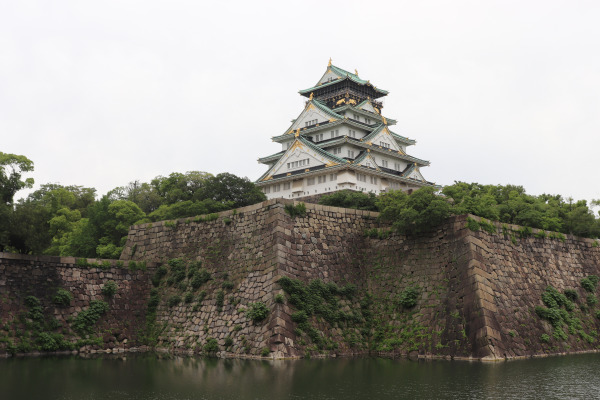
From Kyobashi to Koraibashi Bridge – The True End of Kyo Kaido
From Kyobashi, it’s about a 15-minute walk to Koraibashi Bridge, a small but historically important bridge spanning the river. Many ancient highways — including the Nara Kaido, Ise Kaido, and Kishu Kaido — began right here at Koraibashi, making it a symbolic crossroads of Japan’s travel routes.
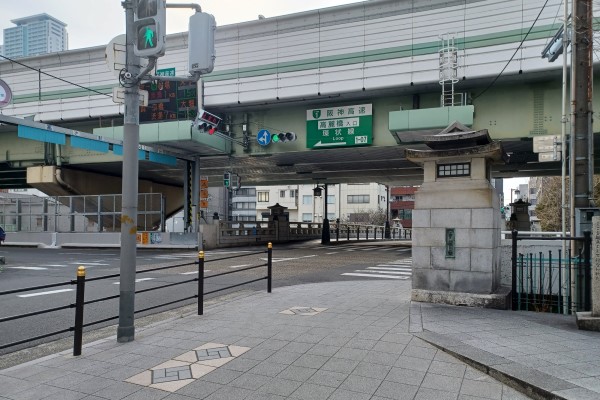
And so ends our long walk along the Kyo Kaido, spanning roughly 55 kilometers from Kyoto to Osaka. The distance feels manageable now, but in the past, people would have walked it over a day or two — a true feat of endurance.
Even today, retracing those steps feels deeply rewarding. The route winds through quiet neighborhoods, old post towns, and lively shopping streets, revealing layers of history that trains can’t show.
Walking through unfamiliar places — and seeing how the past still shapes the present — is a joy that never fades.


Leave a Reply