Korokke Soba: Tokyo’s Original Soba
In Tokyo, locals embrace dishes that might surprise outsiders—korokke soba is one of them. At first glance, the idea of placing a potato croquette in a bowl of soba seems odd, especially to those from Kansai. But take one bite, and you may be surprised how well this combination works. This hearty, flavorful dish offers a glimpse into Tokyo’s unique comfort food culture—affordable, fast, and unexpectedly satisfying.
Korokke Soba
What exactly is Korokke soba?
Across Tokyo’s train stations, quick-service soba stands attract busy commuters all day long. One of the most common items on the menu? A hot bowl of noodles topped with a crispy korokke. This dish brings together two humble, beloved foods—soba and croquette—in a way that makes perfect sense to the locals.
The croquette softens in the hot broth, releasing flavor into the soup while soaking up the rich soy-based liquid. It’s quick, cheap, and comforting—ideal for Tokyo’s on-the-go lifestyle.
Where It All Began
The origins of this dish trace back to 1885. A soba shop in Ginza named Yoshida began serving a version of it, though theirs was closer to a meatball soba. Still, it set the tone for later innovations.
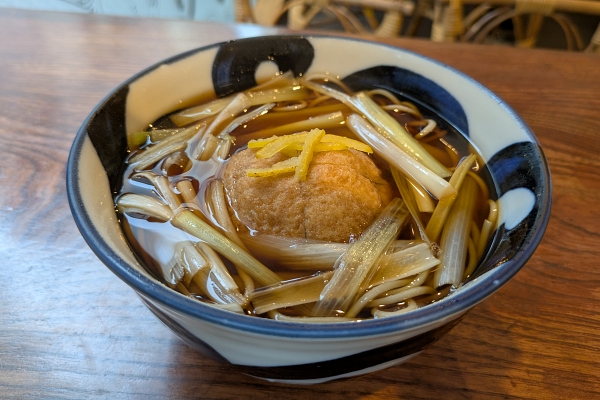
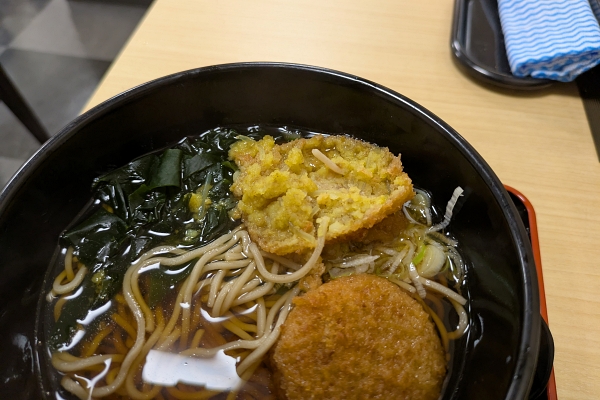
Another key player is Hakone Soba, a well-known chain across Tokyo. Their curry-flavored croquettes are legendary. As the croquette breaks down in the broth, it turns the soup into a savory curry blend—unexpected and delicious.
How to Enjoy Korokke Soba
Surprisingly, a bowl of korokke soba in central Tokyo costs only about 500 yen. What amazed us even more was how fast it’s served—less than a minute! That’s quicker than many fast food places.
Korokke usually sits right on top of the noodles, not on a separate plate. People eat it in different ways: some bite into the croquette as is, others crumble it into the broth, and some do a mix—half whole, half crumbled.
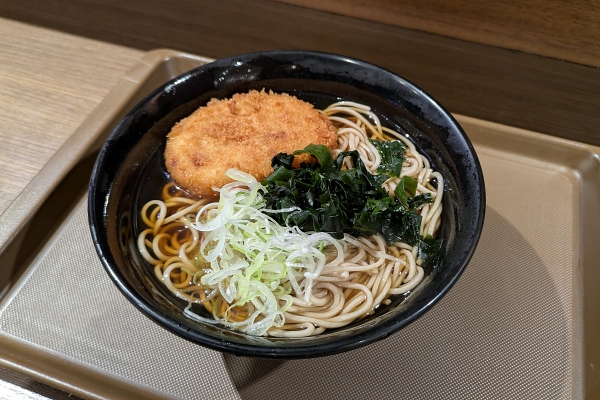
The croquette itself contains mostly potatoes and little meat, so it can taste dry if eaten alone. But once it soaks in the rich Kanto-style broth, it becomes just right. It’s like enjoying croquettes dipped in flavorful soup. Also, the soft noodles complement the crispy texture of the korokke perfectly.
Curry-flavored korokke is another popular variation. The curry flavor blends nicely with the broth and adds a pleasant twist.
Why It’s Rare in Kansai
For most of the people in the Kansai region, the idea of combining a korokke and soba noodles is simply weird. The idea of pairing these two is hard for them to accept. Korokke itself can make the soba greasy and thus ruin the soba broth. As a result, many don’t consider trying it.
That said, a few restaurants in Osaka, like Shioya in Umeda, serve korokke soba and are said to be its originators in the region.
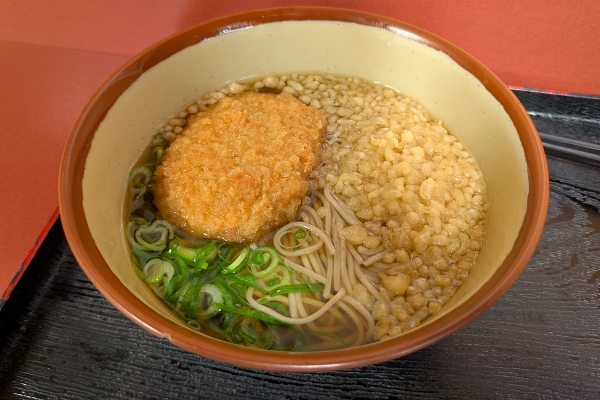
Still, it’s very rare to find korokke soba in Kansai. Here’s why:
1. Broth Differences
Kansai broth is lighter and more subtle, made mainly from kelp and delicate ingredients. This contrasts with the stronger Kanto-style broth. Adding korokke would overpower Kansai’s delicate flavor balance.
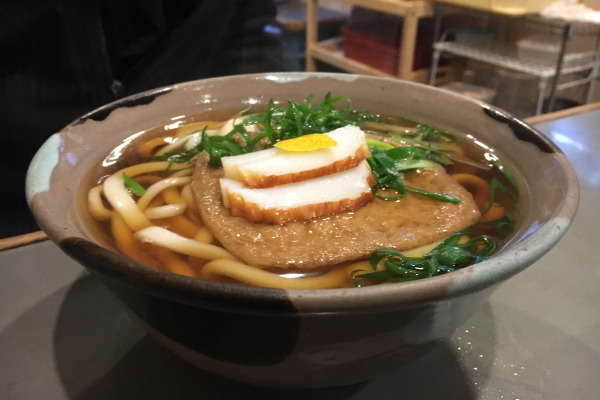
Even I don’t think Kansai-style broth and korokke go well together.
2. Noodle Preference
People in Kansai generally eat udon more than soba. Udon’s thick, soft texture fits their taste better, making soba-based dishes less popular.
Final Thoughts
What seems like an unlikely pairing turns out to be one of Tokyo’s best-kept comfort food secrets. Korokke soba may never fully win over Kansai, but in Tokyo, it remains a go-to meal—fast, affordable, and surprisingly tasty.


Leave a Reply