Kansai Private Trains Guide: Osaka, Kyoto & Nara Travel
If Tokyo’s train system overwhelms first-time visitors, Kansai’s private railways can be equally confusing—but in a simpler, more manageable way. While JR lines cover central Tokyo well, in Kansai it’s often private railways that take you directly to city centers. This Kansai private trains guide explains how to navigate the region, since while JR lines are often enough in Tokyo, in Kansai, private trains frequently offer the fastest, most convenient routes to city centers.
Here’s everything you need to know to navigate Kansai like a local.
A note from the author: My husband, Jun, is a true train enthusiast—he can go into every detail about routes, seating, and schedules. I, on the other hand, mostly see trains as a way to get from point A to point B. This Kansai private trains guide reflects both perspectives: detailed descriptions for those who want to dive in, and TL;DR summaries for travelers who just want the essentials.
Kansai Private Trains Guide: Overview
1. Private Trains Are the Main System, Not JR
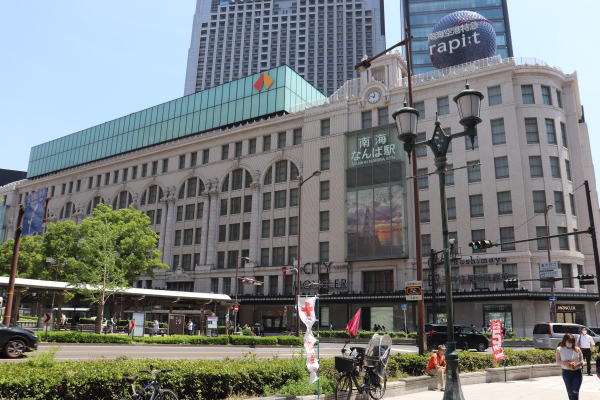
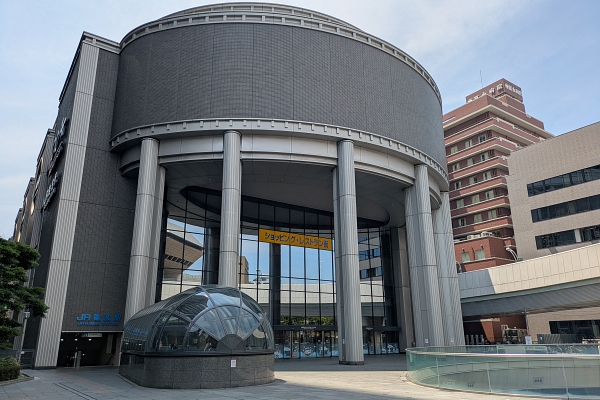
Japan has two main train systems: JR and private railways. In Tokyo, private trains include Odakyu, Keikyu, Keisei, and Tobu. In Kansai, the major private trains are Keihan, Nankai, Hankyu, Hanshin, and Kintetsu.
While JR lines generally cover central Tokyo well, in Kansai it’s often the private railways that take you directly into the city center. Many travelers who stick only to JR in Kansai miss the most convenient routes.
TL;DR – Private vs. JR
Major private lines: Keihan, Nankai, Hankyu, Hanshin, Kintetsu
Tip: Use private railways for city-center access in Kansai
2. Main Terminals: Umeda and Namba
Osaka has just two major train hubs: Namba and Umeda, making navigation simpler than in Tokyo—but still tricky if you’re unfamiliar.
Namba Station: This hub connects the subway with Nankai, Kintetsu, and Hanshin lines, heading to destinations like Wakayama, Nagoya/Ise, and Kobe. Underground passageways link these lines, making transfers relatively easy.
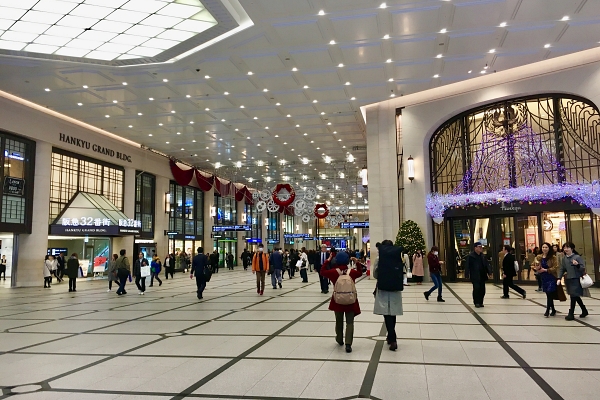
Umeda Station: Serving the subway, Hankyu, and Hanshin lines, Umeda also hosts JR Osaka Station at its center. Transfers here can be confusing: when moving from the Midosuji subway line, exit through the north gates for Hankyu or the south gates for Hanshin, or you may quickly get turned around in Umeda’s sprawling underground.
While JR lines handle Tokyo traffic well, in Osaka, private trains often provide the most direct access to the city center, so learning the layout of Namba and Umeda is key for stress-free travel.
TL;DR – Major Terminals
Namba: Best for southern and western routes (Kobe, Wakayama, Ise)
Umeda: Best for Kyoto, Kobe (Hankyu/Hanshin); watch ticket gates when transferring
3. Kansai’s Train System Is Simple
The big difference between Kansai and Kanto private railways is simplicity, as this Kansai private trains guide shows. In Kansai, private trains run directly into city centers, so multiple transfers are rarely needed.
Tokyo is more complex because many private lines interconnect with subways. For example, riding JR from Kitasenju could take you onto the Tokyo Metro Chiyoda Line or Odakyu Line—convenient but confusing.
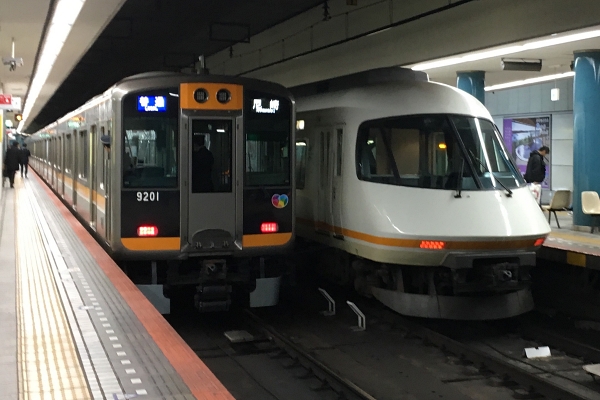
In Kansai, a few connections exist, but they’re easy to navigate:
Kintetsu Nara Line ↔ Hanshin Namba Line
Subway Sakaisuji Line ↔ Hankyu Kyoto Line
These simple connections help tourists quickly figure out destinations. You’ll rarely wonder, “Does this train go to Kobe?”
TL;DR – Train System
Transfers: Rarely needed in Kansai
Connected lines: Only a few; easy to navigate
Tip: Private railways usually go straight to city centers
4. Same Station but different name
What sometimes bothers tourists in Kansai is that JR and private railway stations often have different names even though they refer to the same place. For example, Umeda Station and Osaka Station are part of the same complex, while Tennōji Station is connected to Kintetsu Abenobashi Station. This can be confusing for first-time visitors. This can be confusing for first-time visitors, so check the table below and be sure to finish reading this Kansai private trains guide before your trip.
| City | Private Line | JR Line | Notes |
|---|---|---|---|
| Osaka | Hankyu Umeda | JR Osaka | Same complex |
| Osaka | Kintetsu Abenobashi | Tennōji | Same area |
| Kyoto | Kintetsu Kyoto | JR Kyoto | Connected building |
| Kobe | Hankyu Sannomiya | JR Sannomiya | Same general location, slight Kanji difference |
| Nara | Kintetsu Nara | JR Nara | Short walk apart |
Tip: Verify the station closest to your hotel or attraction before boarding.
5. Very Comfortable
As any Kansai private trains guide will tell you trains in Japan generally have two seating styles: long bench seats and reversible cross seats. Long bench seats run along the sides of the car, where passengers sit facing each other—ideal for quick city rides and smooth boarding. Reversible cross seats, on the other hand, face forward like airplane seats and offer more comfort for longer journeys.
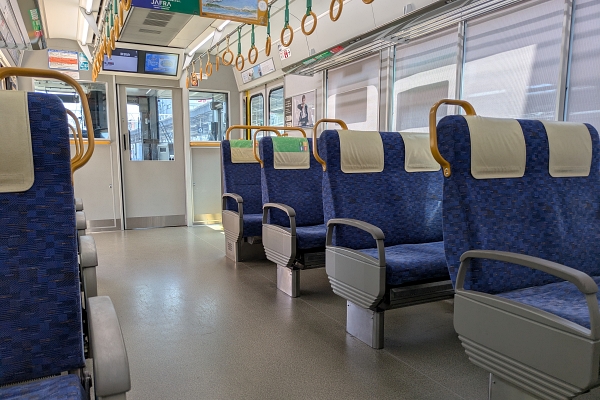
In Tokyo, most trains use long bench seats to handle the high volume of passengers. But in Kansai, comfort often comes first. Many lines, both JR and private, feature reversible cross seats—especially on intercity routes connecting Osaka, Kyoto, Nara, and Wakayama.
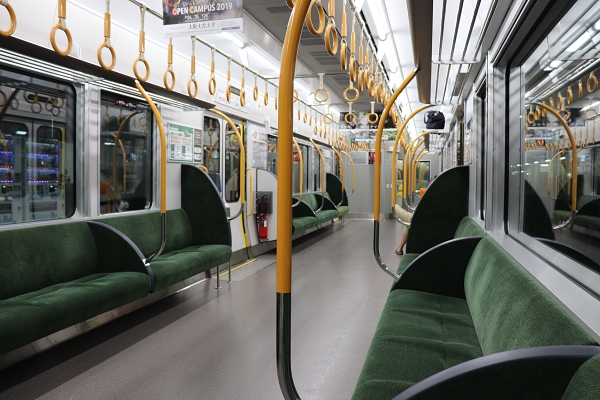
Private trains also use reversible cross seats, though the seating type depends on the train model. Limited express trains, which require a small additional fee, almost always offer cross seats for a more relaxed ride.
Kansai Private Trains Guide: Tips for Using Nankai, Hankyu, and More
1. Nankai
Nankai is Kansai’s oldest private railway, operating the main line from Namba to Wakayama and Kansai Airport, as well as the Koya Line to Mount Koya.
Many travelers heading to Kansai International Airport prefer Nankai over JR, so the Airport Express is often crowded with people carrying luggage. In contrast, the section between Izumisano and Wakayama City is usually quiet. Perhaps because of this, fares are slightly higher than those of other Kansai private railways.
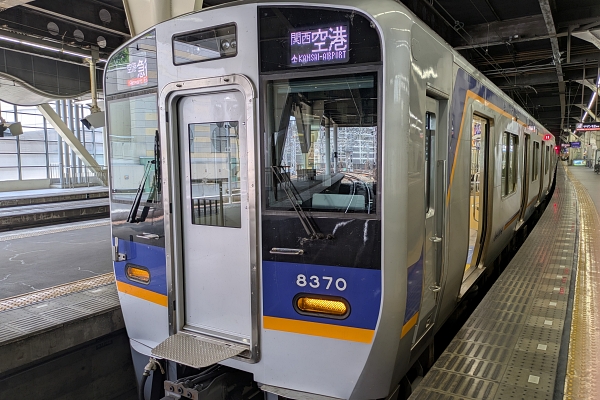
Limited express trains like the Koya (to Mount Koya) and the Rapi:t (to Kansai Airport) require an additional express fee for reserved seating. The Southern line to Wakayama offers non-reserved seats with no surcharge.
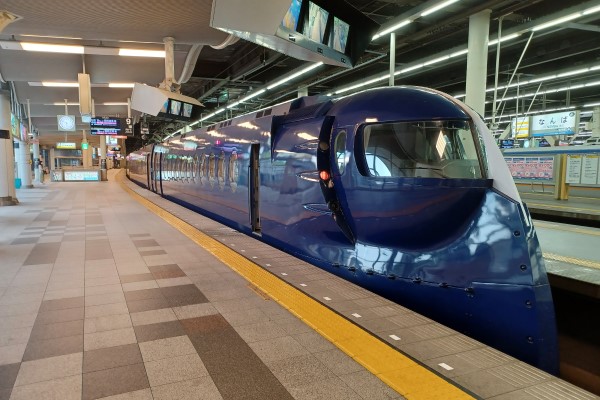
The Rapi:t once ran nearly empty, but with the airport’s growing popularity, it now fills up quickly during mornings and evenings.
TL;DR – Nankai Railway
Routes: Namba → Wakayama, Kansai Airport, Koyasan
Best for: Airport travelers and visitors to Koyasan
Notes: Limited express requires a small extra fee; main line seating is non-reserved
2. Hankyu
The Hankyu Line connects Umeda (Osaka Station) with Kyoto, Kobe, and Takarazuka. Known as a stylish commuter line, it passes through Kobe’s upscale hillside neighborhoods and parts of western Kyoto, including Arashiyama, Kitano, and Shijo Kawaramachi.
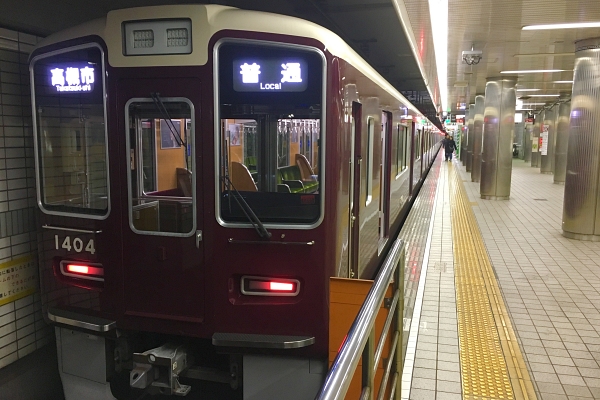
PHankyu trains are fast and convenient, taking roughly 30 minutes from Osaka to Sannomiya (Kobe) and 50 minutes to Kyoto’s Kawaramachi. While private trains are often slower than JR, Hankyu limited express trains do not require a surcharge, and reserved seating is available on Kyoto routes for a more comfortable ride.
The line also offers sightseeing passes, making it ideal for tourists exploring Kansai.
TL;DR – Hankyu Railway
Routes: Umeda → Kyoto, Kobe, Takarazuka
Best for: Western Kyoto tourist spots and Kobe hillside neighborhoods
Notes: Limited express does not require a surcharge; sightseeing passes are available
3. Hanshin
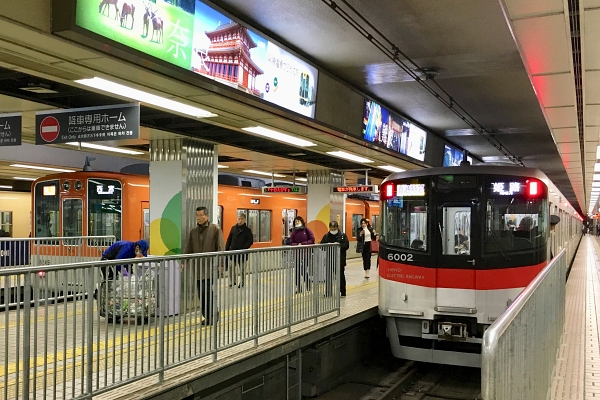
Hanshin runs from Namba and Umeda to Kobe, following the bay area, unlike Hankyu, which passes through hillside districts.
It connects to the Sanyo Electric Railway, enabling direct travel from Umeda to Himeji without transfers. JR lines run parallel, but travelers can save money with discount tickets like the Seaside Ticket, which makes day trips to Akashi or Himeji more affordable.
TL;DR – Hanshin Railway
Routes: Namba/Umeda → Kobe (bay area)
Best for: Quick trips to Kobe and Himeji
Notes: Connects with Sanyo Electric Railway; discount tickets like Seaside Ticket available
4. Keihan
Keihan is ideal for travelers heading to Kyoto. Departing from Yodoyabashi Station (one stop south of Umeda), the line runs along the left bank of the Yodogawa River, passing through Sanjo, Gion-Shijo, and Demachiyanagi. From here, you can reach Kurama, Mount Hiei, and Uji.
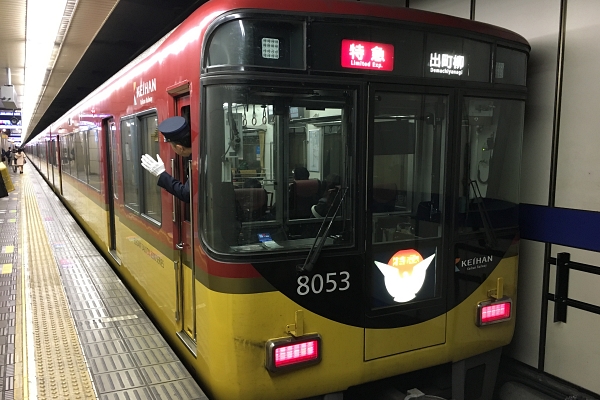
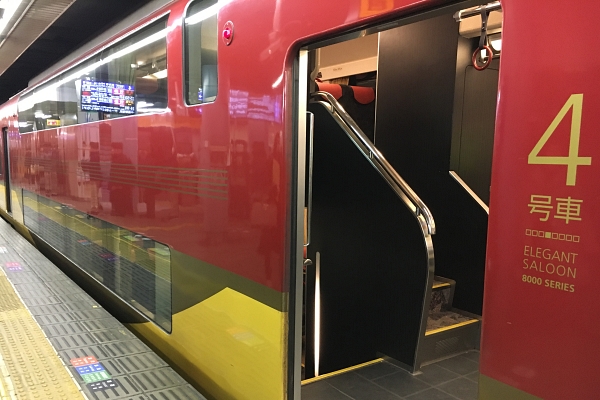
The line tends to be crowded due to universities along the route. While slightly slower because of curves, Keihan’s limited express trains include a double-decker car at no extra cost. Reserved seating is available in the Premium Car for 500 yen between Kyoto and Yodoyabashi, offering extra comfort on longer journeys.
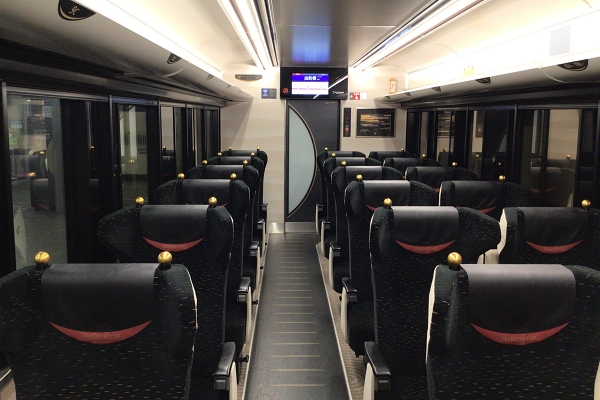
TL;DR – Keihan Railway
Routes: Yodoyabashi → Kyoto, Uji, Mount Hiei, Kurama
Best for: Kyoto sightseeing and university areas
Notes: Limited express has double-decker cars; Premium Car reserved seating costs 500 yen
5. Kintetsu
Kintetsu is the largest private railway in Kansai, formed from multiple merged lines. Its Osaka terminals vary by destination:
Namba: trains to Nara
Abenobashi: trains to Yoshino
Uehonmachi: express trains to Ise and Nagoya
Namba: limited express trains to Ise and Nagoya
Travelers going from Nara toward Ise or Nagoya transfer at Yamato-Yagi Station. In areas like Nara and Mie, where JR service is sparse, Kintetsu is the most efficient option. It also operates long-distance trains like Osaka → Matsusaka.
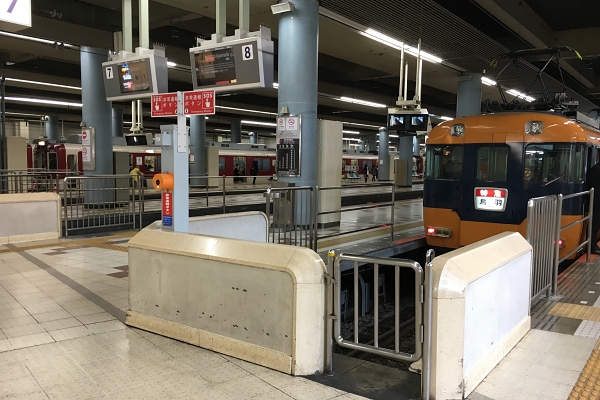
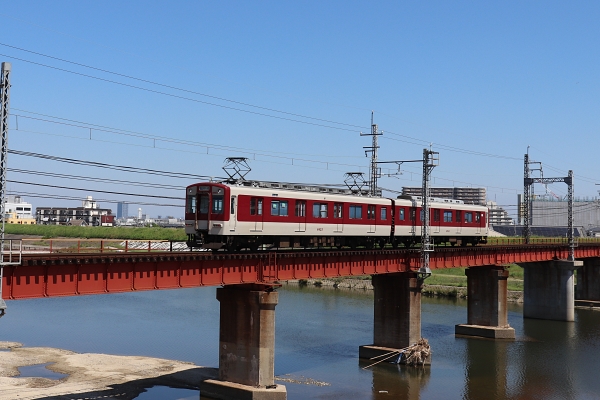
Kintetsu offers a Weekend Free Pass for unlimited weekend rides (excluding limited express fees) and runs a variety of limited express trains—including the Shima-kaze, Hinotori, Ise-Shima Liner, Sakura Liner, and Urban Liner—all with frequent departures. Travelers to Nagoya often face a choice between the Urban Liner and Hinotori for speed and comfort.
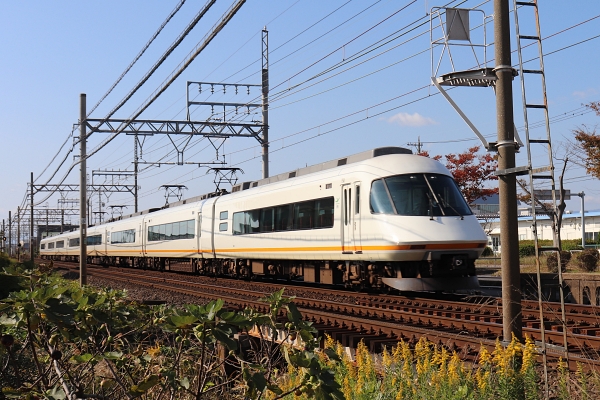
TL;DR – Kintetsu Railway
Routes: Osaka terminals → Nara, Yoshino, Ise, Nagoya, Mie
Best for: Nara/Mie travel and long-distance trips in Kansai
Notes: Weekend Free Pass available; limited express trains require additional fare
Final Tips for Navigating Kansai
Traveling around Kansai is easier than it seems once you get the hang of the private railway system. This Kansai private trains guide gives you the essential tips for navigating major terminals, train lines, and seating options. Whether you’re heading to Kyoto, exploring Nara, or moving through Osaka’s city center, private trains make getting around smooth and efficient.
Stick to the TL;DR tips if you want a quick overview, or dive into the details for a deeper understanding. Either way, Kansai’s private railways can turn what seems complicated into a simple, enjoyable journey.


Leave a Reply