Ataka no Seki Barrier: Kabuki’s Famous Kanjincho Scene
Komatsu, the second largest city in Ishikawa Prefecture after Kanazawa, may surprise visitors with its mix of history, culture, and natural beauty. Among its many attractions, the Ataka no Seki Barrier stands out as a must-visit site for kabuki fans and history enthusiasts alike. This historic checkpoint gained fame as the dramatic setting of the kabuki play Kanjincho, where the clever Yoshitsune and loyal Benkei outsmart a suspicious guard. Visiting the site today, you can stroll along scenic pine-lined paths, imagine centuries of samurai drama, and feel the legacy of one of Japan’s most iconic kabuki scenes come alive.
The Story Behind Kanjincho
Kanjincho tells the dramatic story of Minamoto no Yoshitsune and his loyal retainer, Benkei. They fled Kyoto after Yoshitsune’s elder brother, Minamoto no Yoritomo, accused him of rebellion. Warrants were issued across Japan to capture them.
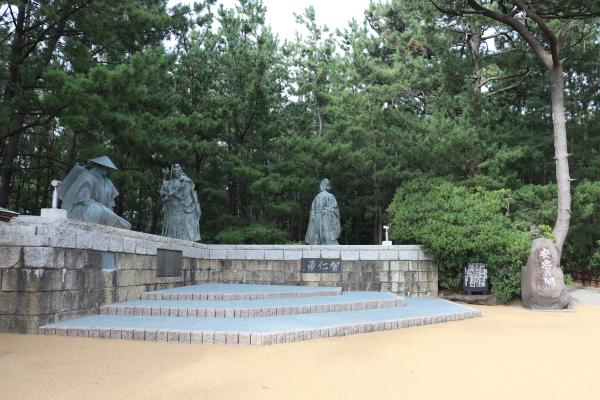
Disguised as monks, Yoshitsune and Benkei traveled toward Oshu (Tohoku). At the Ataka no Seki Barrier in Komatsu, the guard Togashi suspected them of being fugitives and questioned them.
They claimed they were collecting donations for the Kumano shrines. Togashi remained suspicious and demanded they read the Kanjincho, a scroll listing the donations. Yoshitsune cleverly recited the empty scroll as if it were real.
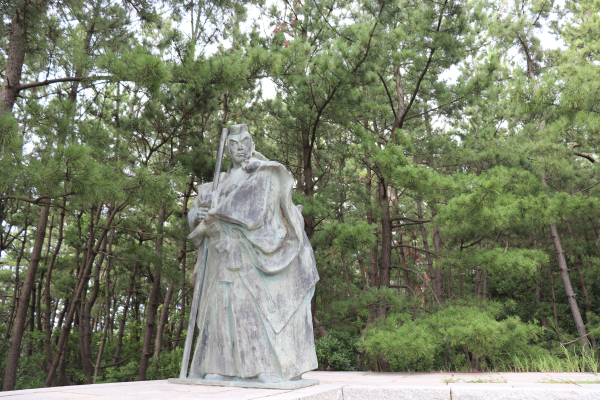
When Togashi tried to arrest them, Benkei struck Yoshitsune lightly, joking that his resemblance caused the problem. Moved by their loyalty and cleverness, Togashi let them pass. This iconic scene remains a favorite in kabuki performances today.
Visiting the Ataka no Seki Barrier
The Ataka no Seki Barrier is about a 20-minute bus ride from Komatsu Station, though most visitors drive because buses run infrequently. The site sits near the mouth of the Hashigogawa River, with the Sea of Japan stretching nearby.
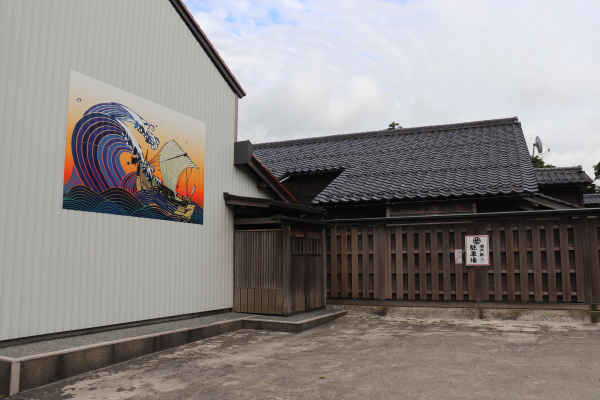
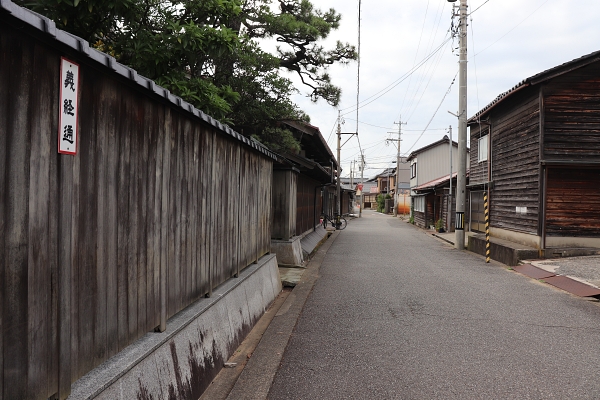
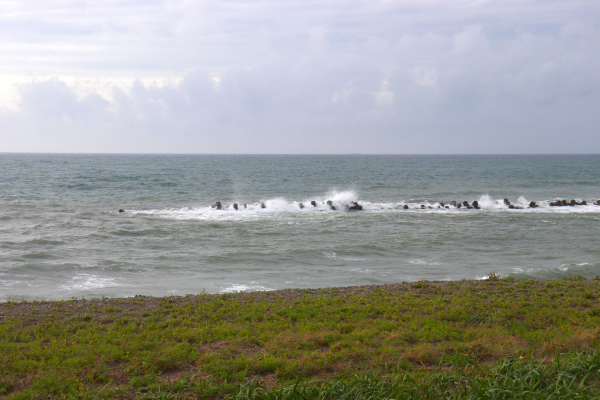
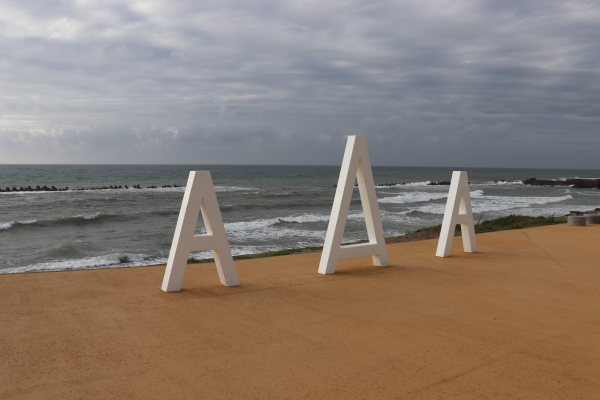
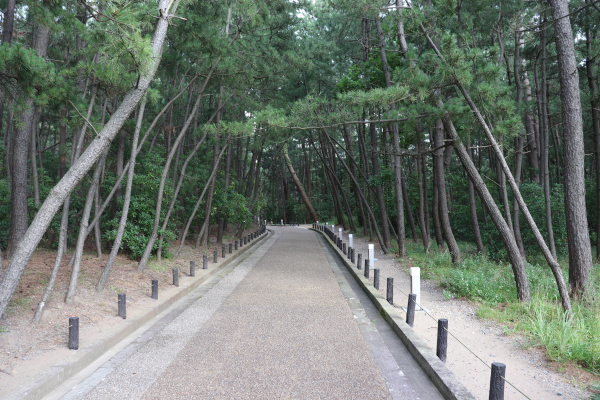
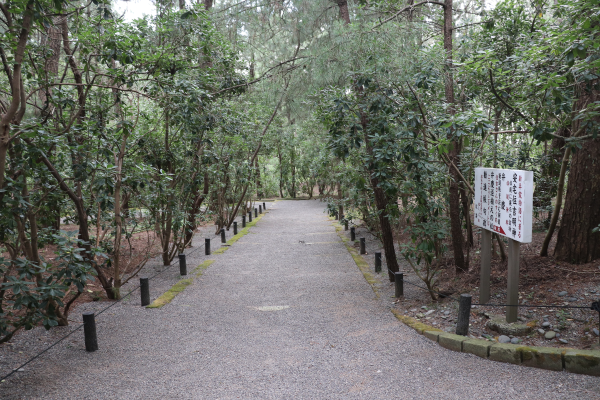
During the Edo period, Ataka thrived as a port. Some old houses still stand today. Visitors can walk scenic paths along the beach, lined with green pine forests. In winter, the Sea of Japan is rougher than the Pacific, creating dramatic waves. Occasionally, fighter jets fly overhead, their roaring engines contrasting with the peaceful scenery.
Ataka no Seki Barrier: Explore Walking Paths, Museum, and Scenic Views
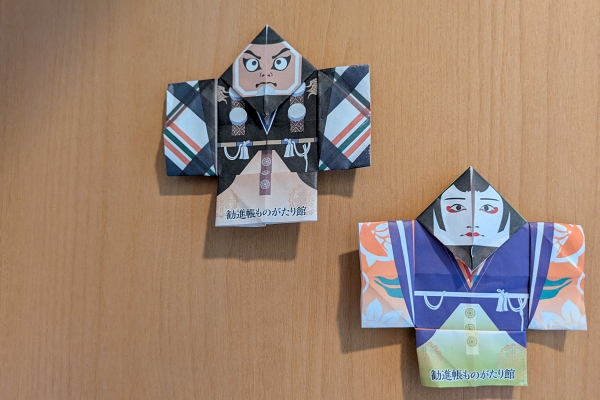
The Kanjincho Monogatari Museum nearby offers insight into the kabuki play and its historical context. Visitors can even make origami versions of Benkei and Yoshitsune. Walking along the forest paths, you may spot Japanese serows and other wildlife.
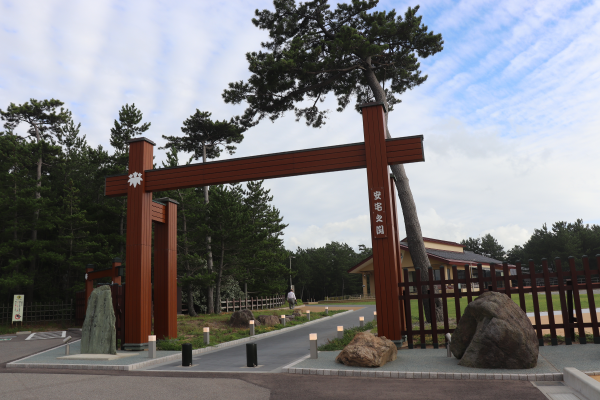
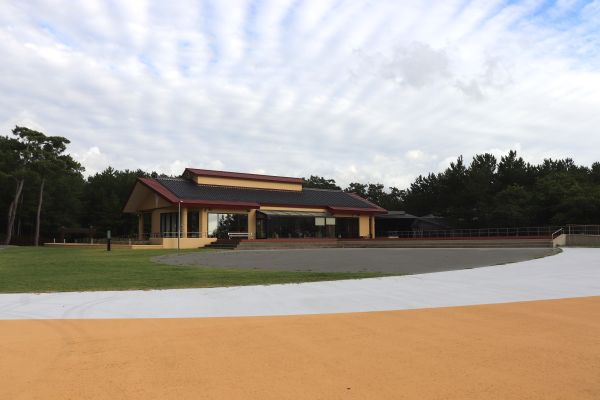
Around the museum, several walking paths lead visitors along the scenic beach of the Sea of Japan. Like many Hokuriku beaches, the coastline is lined with beautiful pine forests, where the striking contrast of white sand and green pines creates a view that’s simply unforgettable. Adding an unusual twist to the peaceful scenery, fighter jets from a nearby base occasionally roar overhead, a sight you rarely encounter in Kansai, making your stroll along the beach uniquely Komatsu.
Ataka Sumiyoshi Shrine
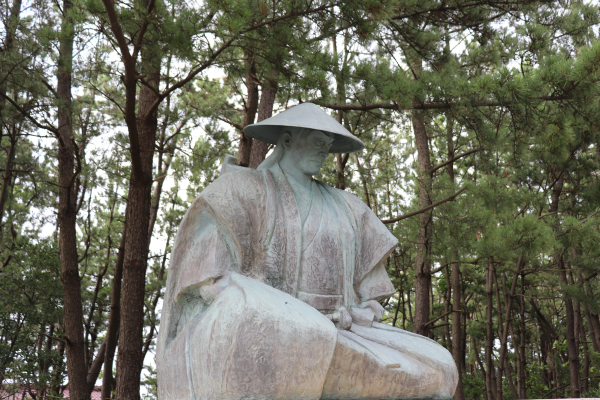
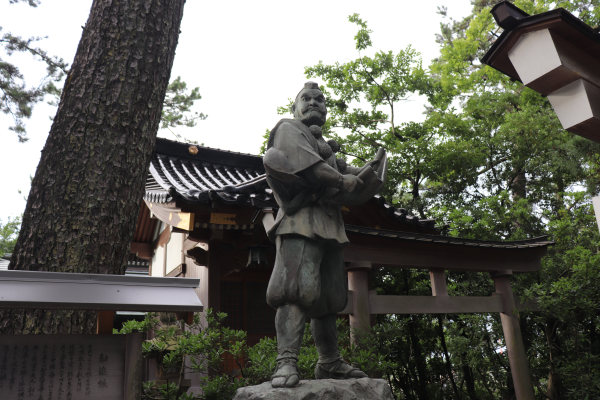
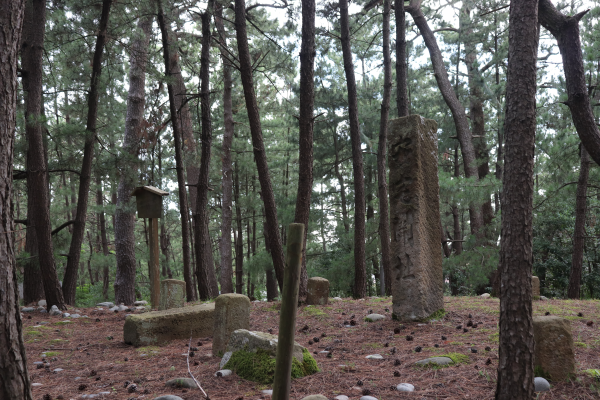
A short stroll through the pines leads to Ataka Sumiyoshi Shrine, believed to mark the original location of the barrier. Today, only a small stone marker indicates where the historic Ataka no Seki stood. Statues of Benkei and other kabuki figures commemorate the site.
Kabuki Culture in Komatsu
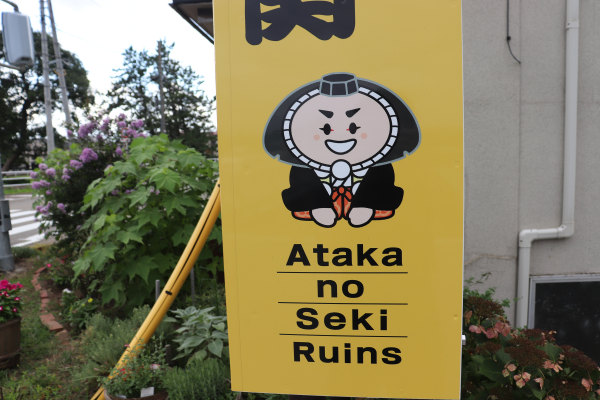
Komatsu takes pride in its kabuki heritage. Children’s kabuki performances are popular, and a special stage in Ataka sometimes hosts Kanjincho. The city’s mascot, Kabukky, is even based on kabuki, reflecting local passion for this art form.
Visiting Ataka no Seki lets you enjoy a mix of history, culture, and natural beauty. It’s a fascinating destination for travelers who love kabuki, samurai stories, and the scenic Hokuriku coastline.


Leave a Reply