Walking Midosuji Street: The Main Street of Osaka
Midosuji Street is Osaka’s main boulevard — a long, wide avenue that connects Umeda in the north with Namba / Dotonbori in the south. The street runs roughly 4 km and shows many faces of Osaka as you walk: business towers, historic buildings, government offices, shopping districts, and bright nightlife. Most people take the subway, but walking Midosuji Street is a simple, rewarding way to feel the city.
Walking Midosuji Street
Umeda: Skyscrapers, department stores, and the “Umeda dungeon”
Midosuji Street begins on the south side of JR Osaka Station, in Umeda — Osaka’s major business and transport hub. This area is full of tall buildings and complex underground passages. Locals jokingly call it the “Umeda dungeon” because many buildings and stations are connected by long underground malls and walkways.
What to notice here
Hankyu Department Store (right side as you walk south): historically linked to the old Hankyu Umeda Station.
Osaka Eki Biru: an older station-related building that has watched the city change.
Kitashinchi: a short walk east — Osaka’s famous nightlife district.
Sonezaki Electrical Substation (built 1936): a historic metro substation building near the start of the street.
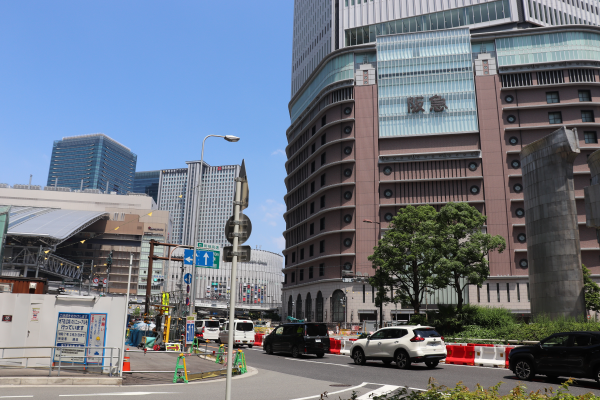
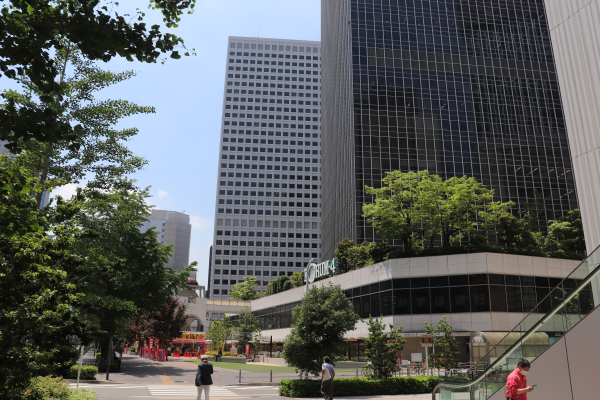
Midosuji is a one-way street going south, so if you start in Umeda and walk toward Namba, the traffic flow makes the route intuitive.
At Umeda-Shinmichi Intersection, Midosuji Street crosses Sonezaki Street — and this is also the crossroads of National Route 1 (which runs toward Tokyo) and National Route 2 (toward Kyushu). In fact, as many as seven national highways originate near Umeda, which shows how central this point is to Japan’s road network.
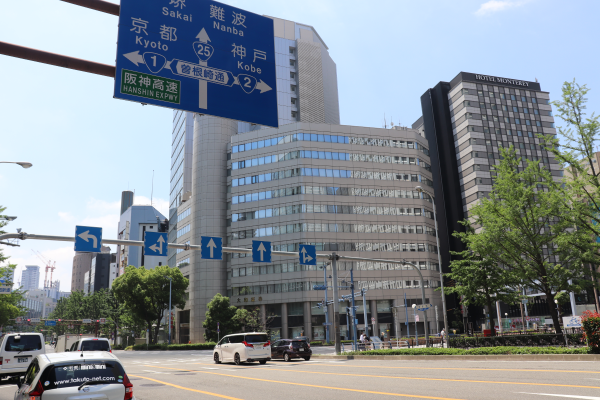
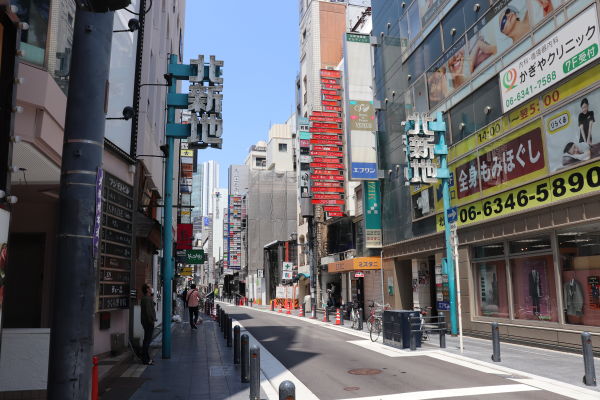
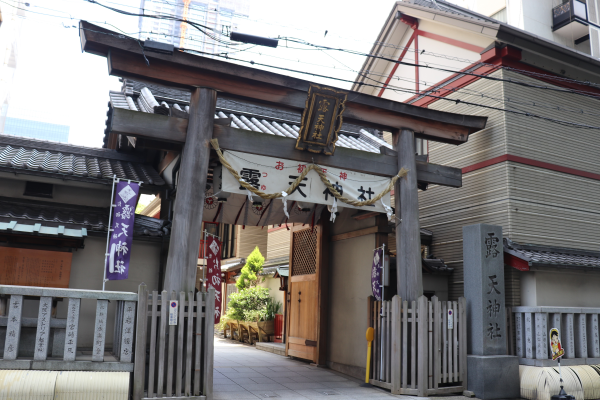
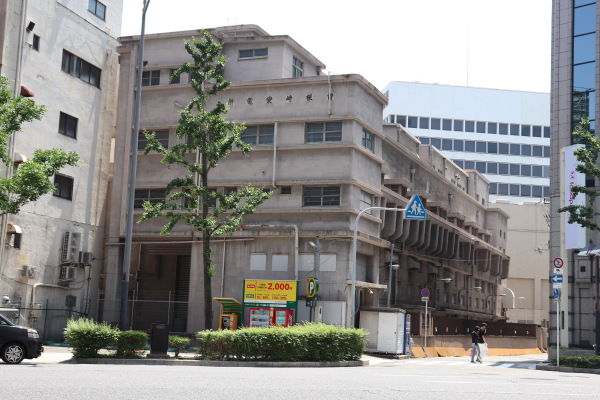
Right after this electric substation, Midosuji Street merges with Shin Midosuji Street, which goes further north to Shin-osaka and Bampaku Expo Park, though it is always heavily crowded.
Nakanoshima: Classic Buildings & Riverside views of Midosuji Street
About 15–20 minutes’ walk from Umeda, you’ll reach Oebashi Bridge. Cross it and you’re on Nakanoshima, a sandbank formed and expanded in the Edo period. Merchant Yodoya once reclaimed parts of this land because of its excellent river access — and the area quickly became a center for administration and finance.
What’s here
Bank of Japan Osaka Branch (imposing, historic architecture)
Osaka City Office and other government buildings
Elegant office buildings and riverside promenades along Dojima and Tosabori Rivers
If you are new to Osaka, it is good to explore Nakanoshima at night (don’t worry, it is totally safe!) as you can definitely feel the atmosphere of Osaka.
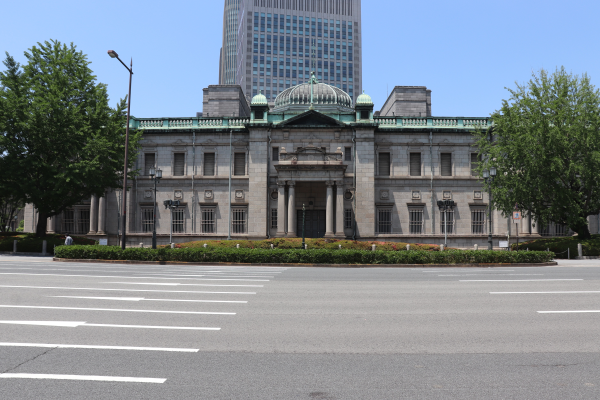
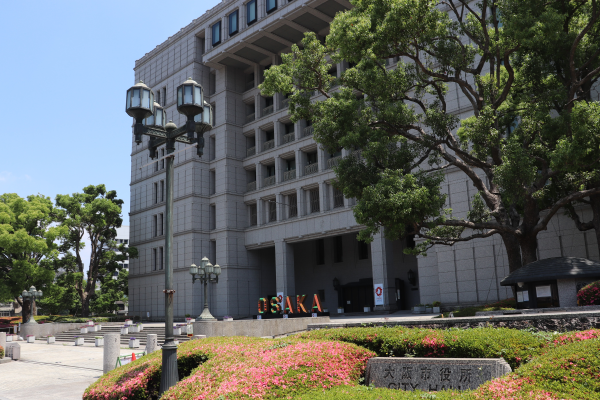
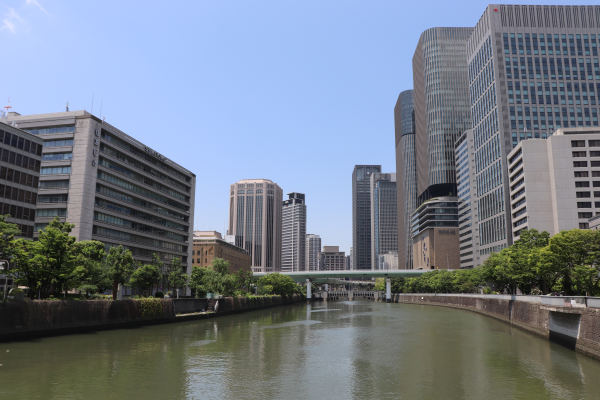
Nakanoshima is compact — it only takes a few minutes to cross — but it’s one of the easiest places to feel Osaka’s calmer, official side. The rivers and bridges make for classic Osaka photos, especially at night.
Continue over Yodoyabashi Bridge (the current bridge dates from 1935), and you’ll find yourself back on the main island at Semba / Yodoyabashi Station, only one stop from Umeda by train.
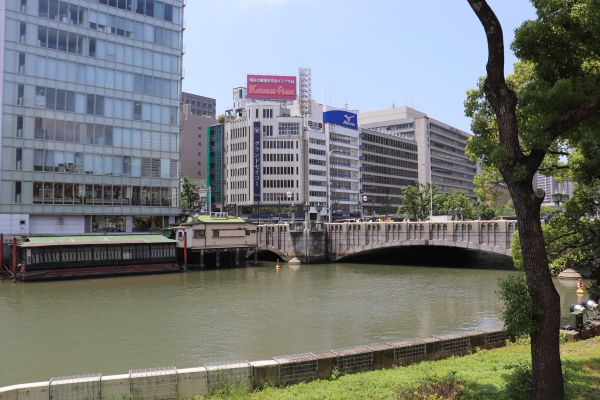
Historic Semba & Hommachi: Where Midosuji got its name
After Yodoyabashi, Midosuji Street passes through Semba and the Hommachi areas. In the Edo period, Semba was the center of commerce in Osaka. Here, it was merchants and craftspeople who made the city hum.
Fun historical note: long ago, Namba wasn’t the city center — it was known for green onions and a large cemetery.
Historical highlights
Kaitokudō site: the former public academy that educated Osaka’s merchants and scholars.
Tekijuku (nearby): the school founded by Ogata Kōan that trained modern thinkers.
Osaka Gas Building (1933): a notable early-Showa era building.
Kita-Mido & Minami-Mido: two temples near Honmachi Station — these temples are the origin of the street name Midosuji (the road between the Mido temples).
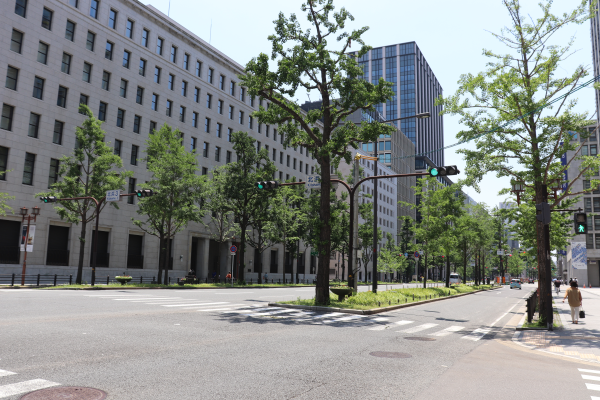
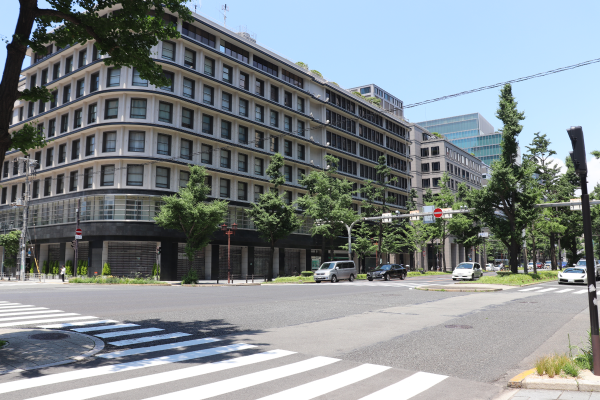
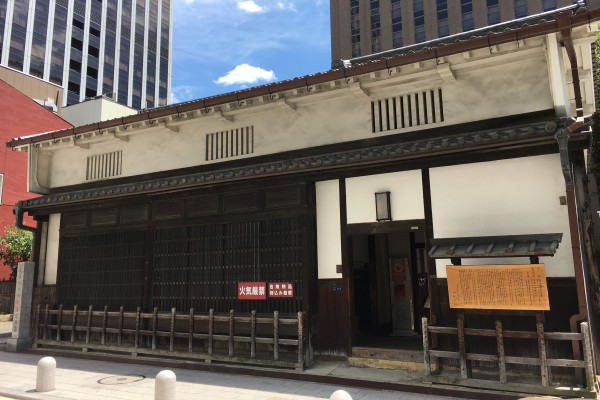
Just around Honmachi Station are Kita-mido and Minami-mido. It is sad that not so many people pay attention to them, but both temples originated from Ishiyama Honganji Temple, which created the basis of the development of Osaka before Toyotomi Hideyoshi moved here.
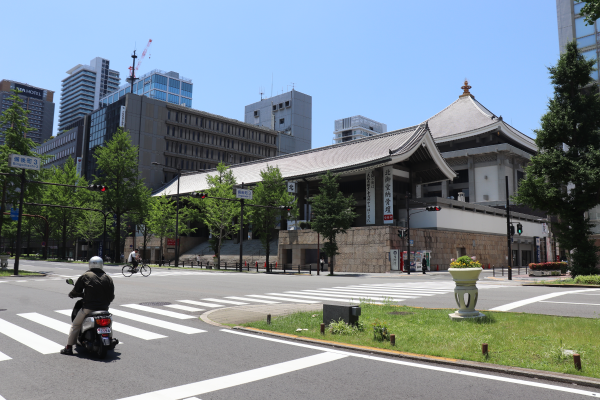
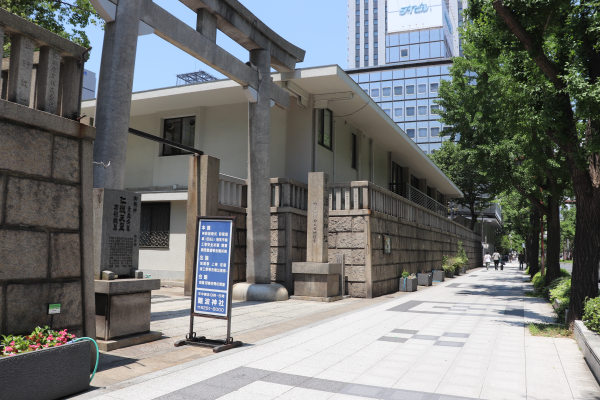
Semba also hosts three major shrines — Namba, Zama, and Goryo — sometimes called the Semba Three Shrines. Though much of the Edo cityscape is gone, these pockets of history remain tucked between modern buildings.

Chuo Odori: the highway-that-plays-tricks
Near the midpoint of Midosuji Street is Chuo Odori, a large cross street, where the Hanshin Highway passes overhead. One of Osaka’s distinctly urban quirks you’ll notice is how highways sometimes ride over shopping complexes, rivers, or even sit right on top of buildings!
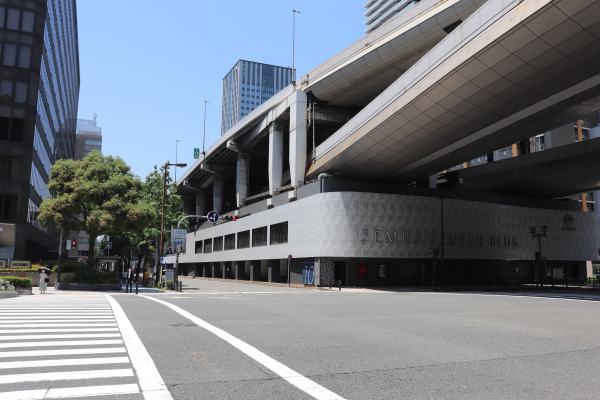
After you cross the (now landfilled) Nagahori River, Semba gives way to Shinsaibashi — one of Osaka’s most popular shopping and fashion districts.
Shinsaibashi & Ame-mura: Shopping, Trends, and Architecture
Shinsaibashi is where the city’s tone changes again — from offices to fashion and various trendy shops and goods.
Highlights include:
Ame-mura (America Village): lively youth culture and unique fashion stores.
Daimaru Department Store: designed by William Merrell Vories in 1922 — a century-old anchor of the district.
Shinsaibashi-suji Shopping Arcade: a long shopping street parallel to Midosuji, now lined with luxury brands and stores.
The old Shinsaibashi Bridge used to span Nagahori River. The river is now filled in, but the bridge structure and name survive as part of the shopping arcade.
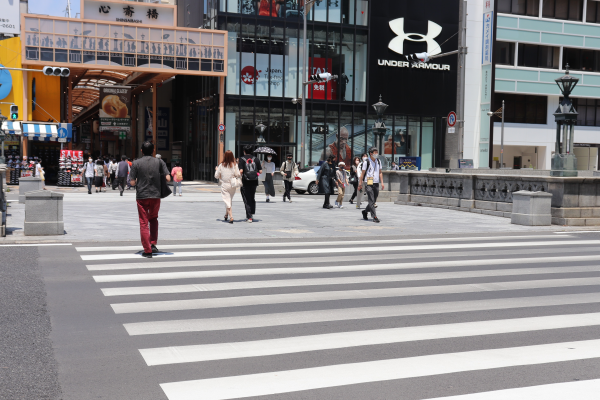
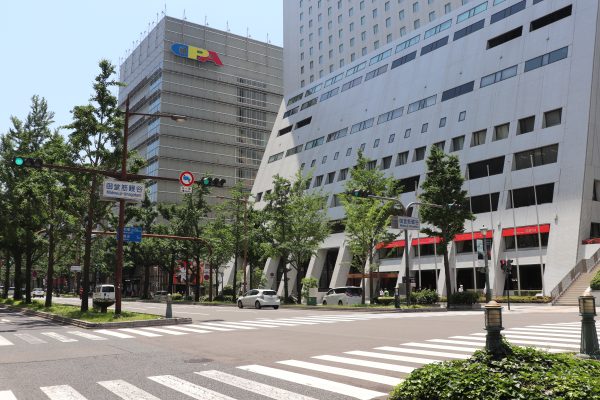
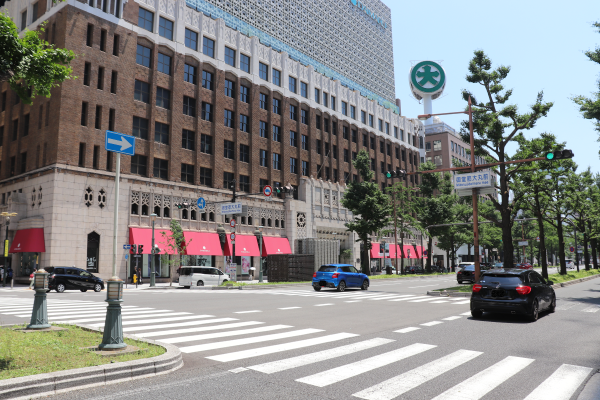

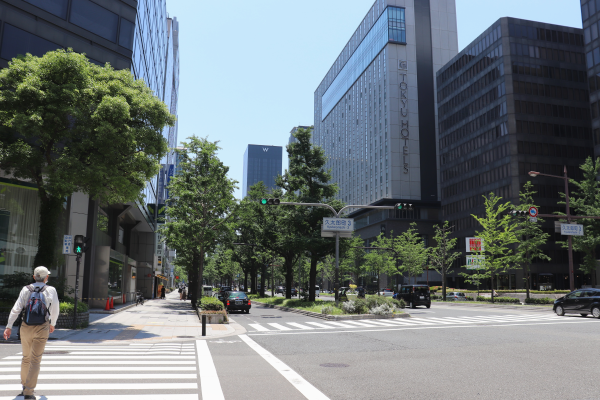
From Yodoyabashi to Shinsaibashi, large trees line Midosuji — in autumn they turn brilliant gold (ginkgo) and from spring through Christmas the Midosuji Illuminations light the trees, creating a gorgeous photo corridor.
Midosuji Street at Night: Illuminations and Nightlife
Midosuji Street carries a steady flow of pedestrians and traffic most of the time, but it is generally safe at night. The wide sidewalks, good lighting, and frequent foot traffic mean walking after dark rarely feels dangerous. The illumination season and night views make the route particularly pleasant after sunset.


Dotonbori and Namba: Food, Neon, and the End of the Line
At the southern end of Midosuji, you arrive in Dōtonbori and Namba, Osaka’s most famous food and entertainment area. It’s about 45 minutes to an hour on foot from Umeda (depending on pace and stops).
Today, Dotonbori is packed with neon signs, takoyaki stalls, and international visitors. Historically, however, Dotonbori was a Kabuki and Buraku theater district — a lively cultural center that has mostly given way to modern entertainment and food culture. (Some historical theater sites linger in place names and old building footprints, though most structures are gone.)
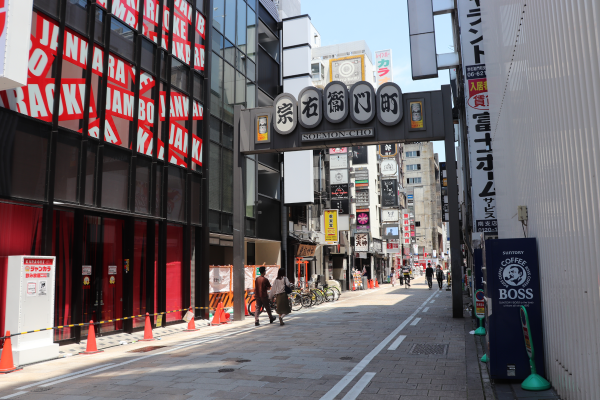
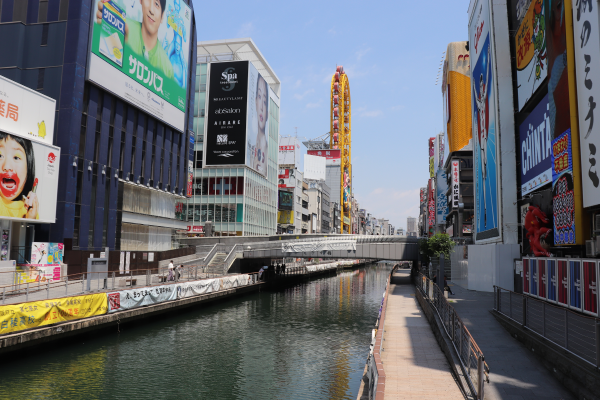


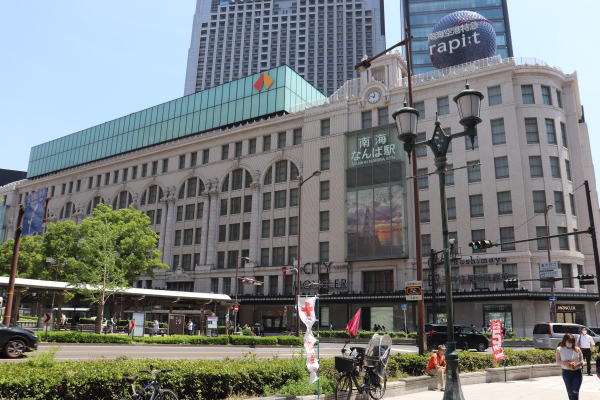
Only a few minutes’ walk from Dōtonbori is Namba Station, another major terminal hub in Osaka. There are several stations here, Nankai, Hanshin, Kintetsu, JR, and subway lines, but it was Nankai Railway that first established Namba Station.
The Nankai Namba Station building, completed in 1932, is enormous. Its exterior looks simple and modernist, but the inside is surprisingly complex, with multiple buildings connected by underground passages, much like the “Umeda dungeon” on the north side of the city.
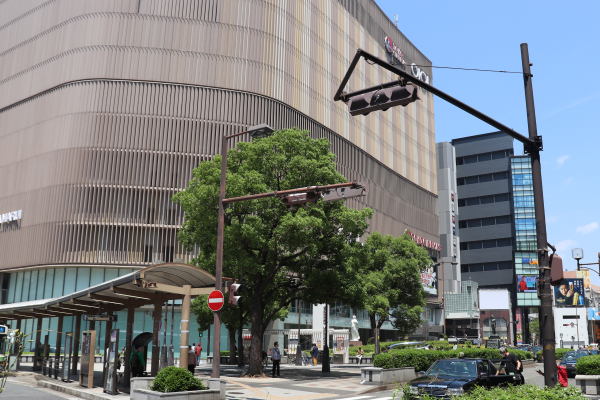
And with that, we reach the end of Midosuji.
It’s roughly 4 km in length — about a one-hour walk from Umeda. While many people simply ride the subway between the two terminals, walking is a surprisingly rewarding option. Every time we make this walk, we notice something new and interesting along the way.


Leave a Reply