Kurobe Gorge Railway: A Journey in Japan’s Alpine Wilderness
Mt. Tateyama stands out as one of those really famous mountains in Japan. People respect it for the rough beauty and all those striking views around it. The Kurobe River runs below, and over thousands of years, it has carved out this deep gorge in the Japanese Alps. Kind of impressive when you think about it. The Kurobe Gorge Railway follows along that river right into the mountains. It’s a train that gets you places roads just can’t reach, and it’s all about the scenery. If you like slow travel and big landscapes, this is one of those rides that sticks with you. Riding it feels like more than just getting from point A to B. You go through these steep cliffs and thick forests, crossing bridges that look dramatic. The views come up slowly, one after another, really spectacular in a way.
Note: The Kurobe Gorge Railway operates seasonally and suspends service only during winter, when snowfall becomes too deep for safe operation.
Kurobe Gorge Railway
Riding the Kurobe Gorge Railway
The Kurobe Gorge Railway follows right next to the Kurobe River. That river starts up at Mount Tateyama. Mount Tateyama is one of Japan’s Three Great Mountains, and it certainly earns that title. The whole route goes from Unazuki to Keyakidaira, stretching out about 20 kilometers. The journey takes about 90 minutes. If you’re arriving via the Hokuriku Shinkansen, get off at Kurobe-Unazuki Onsen Station, then transfer to the local railway to reach Unazuki.
It climbs 375 meters in elevation, and the ride one way lasts around 90 minutes. Because it moves so slowly, you get time to look at the scenery shifting outside. The views change a bunch, with the river and mountains all around. That part seems kind of relaxing, even if it’s just sitting there.
Keyakidaira offers stunning views of the beautiful gorge. However, there are no connections from Keyakidaira to anywhere else, so you simply have to board the train back. While it is possible to hike to the mountains to Tateyama from Keiyakidaira, the distance is about 30 km, and there are over 3000-meter-high mountains in between, meaning you absolutely need proper hiking gear, not to mention some experience.
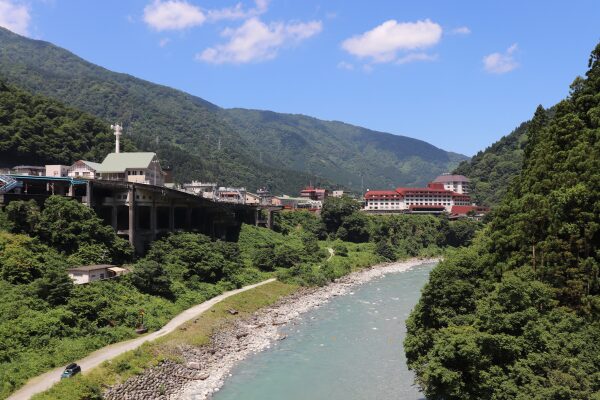
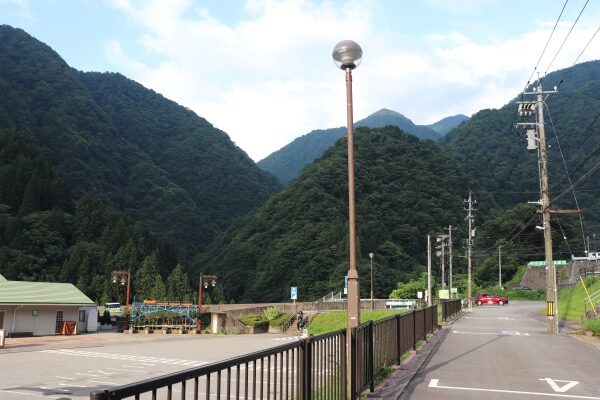

The Journey Through the Gorge
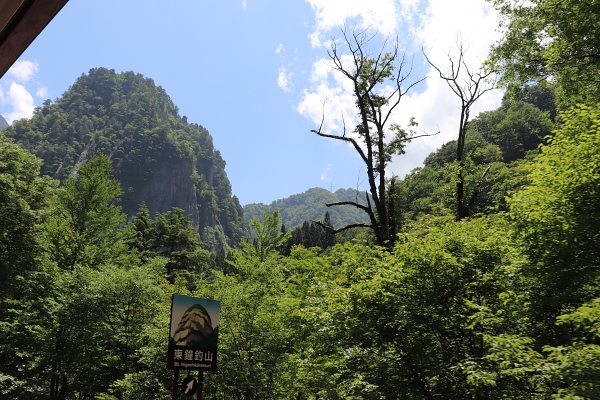
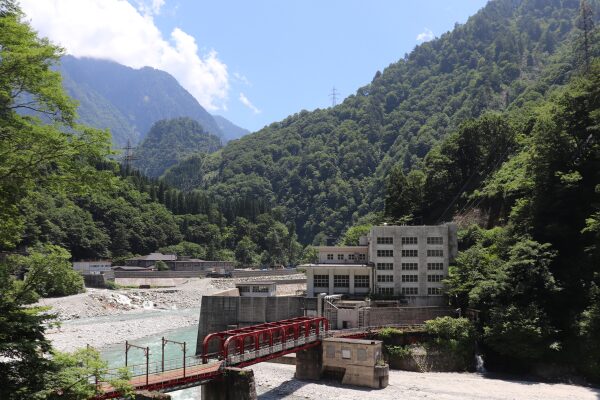
The train passes through deep forests, crosses striking bridges like Shinyamabiko Bridge, and threads its way between sheer rock walls. The gorge is truly deep, and the scale of the surrounding mountains is awe-inspiring. It’s no surprise that the entire area is part of Chubu Sangaku National Park.
Originally built by Kansai Electric Power Company to support hydroelectric development along the Kurobe River, the railway was once reserved exclusively for power plant workers. Today, despite being one of the most famous scenic railways in Japan, it still feels rugged.

Train Cars and Seating Tips
The trains are smaller than standard railway cars, more like open trolleys designed for sightseeing.
The cheapest cars are open-sided, offering unobstructed views—ideal on clear days, but the more expensive cars feature enclosed seating with windows and cushioned seats.


Tickets specify the train time and car type, but seats are not assigned. If you want the best view, arrive at the gate at least 20 minutes early and line up. In my opinion, seats on the right-hand side of the train offer the best views of the Kurobe River.
Because this is a very popular attraction, it’s highly recommended to book tickets online in advance, especially during peak seasons. A round-trip ticket is the most practical option.
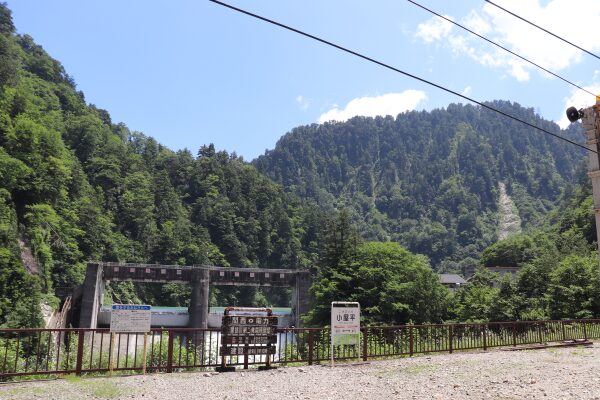
The train stops at several stations before arriving at Keyakidaira. It is possible to get off at these stations, but unless you plan to go hiking in the mountains, you probably want to take the train to Keyakidaira.

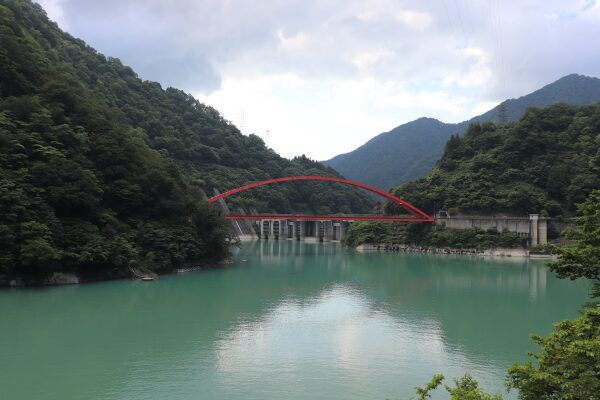

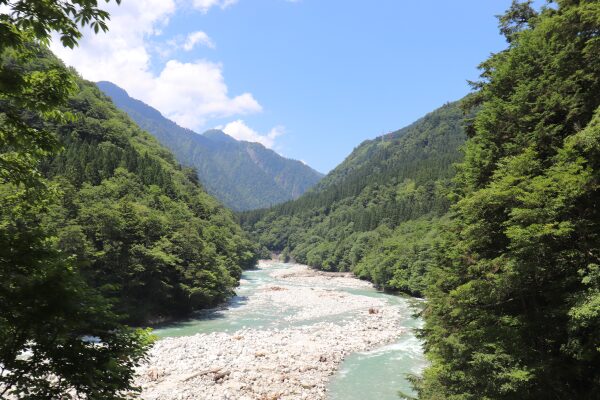
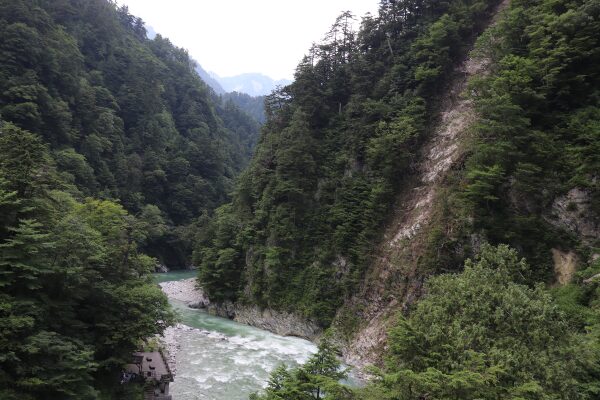
The Kurobe River has carved an impressively deep gorge through towering mountains, an area now protected as part of Chubu Sangaku National Park.
Keyakidaira: The End of the Kurobe Gorge Railway
90 minutes later, and we’ve reached Keyakidaira, the final stop of the Kurobe Gorge Railway. If we’d taken the bus it would have been roughly four hours from Toyama, including transfers.
Keyakidaira sits at around 600 meters above sea level. While that may seem modest compared to Mt. Tateyama’s 3,000 meters, the surrounding scenery is profoundly mountainous. The views are expansive, the air is fresh, and the sense of isolation is remarkable.
There are no onward transportation connections from Keyakidaira; you take the train back the way you came. While it is technically possible to hike from Keyakidaira toward Mount Tateyama, the route is approximately 30 kilometers long and crosses extremely rugged terrain with peaks over 3,000 meters. We feel compelled to reiterate that this is a serious alpine hike and requires proper gear and experience.
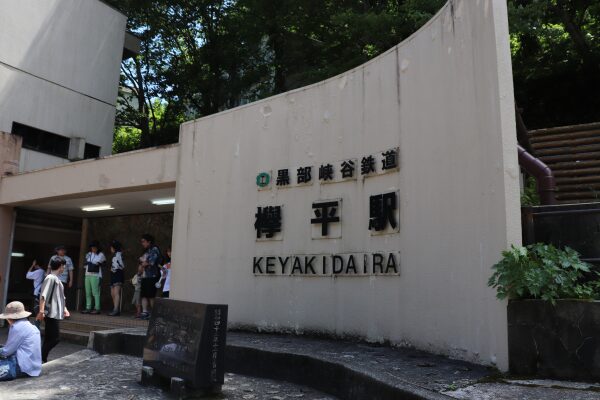


Exploring Keyakidaira
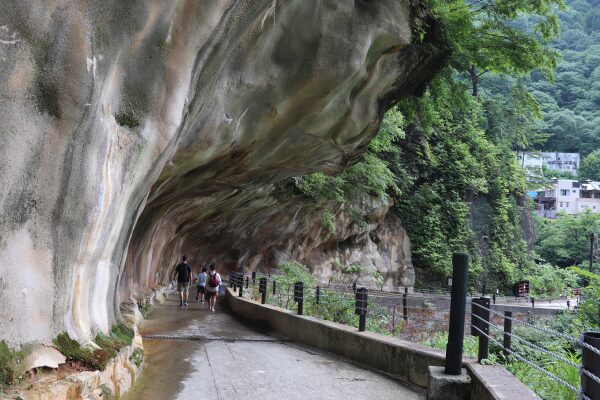
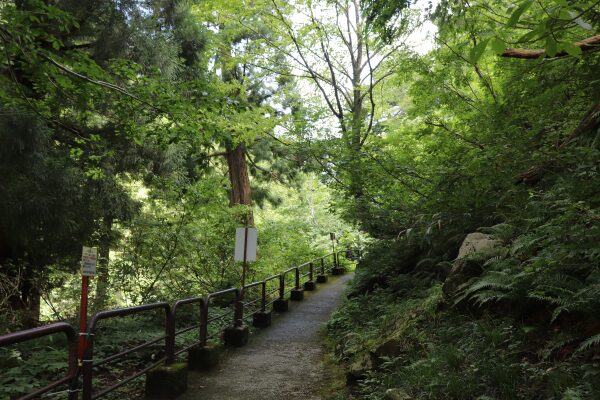
The area around Keyakidaira Station features well-maintained walking paths that let you explore the surrounding forest and even descend to the banks of the Kurobe River. Depending on how far you walk, 2–3 hours is more than enough for a nice forest stroll around the mountain.
There is a little restaurant and some vending machines too. If you enjoy mountains, forests, and dramatic landscapes, this area is an absolute must-visit.


The Powerful Kurobe River
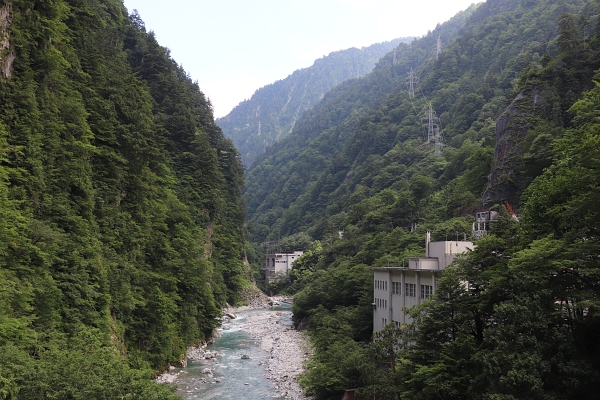
Walking closer to the river, you’ll immediately notice how fast and powerful the current is. Flowing between the Tateyama Mountain Range and the Ushiro-Tateyama Range, the Kurobe River has relentlessly eroded the mountains over time, carving out this immense gorge.
Standing here, it’s impossible not to feel humbled by the sheer force of nature and equally impressed by the people who once built hydroelectric power plants. It must have been extraordinarily difficult work.

Hiking Toward Mount Tateyama
From Keyakidaira, a trail leads toward Mount Tateyama, but even walking just 30 minutes along it makes clear how demanding the hike is. The path quickly becomes steep, narrow, and rugged. With 30 kilometers separating Keyakidaira from Tateyama, this is a challenge for experienced hikers only.
It’s 30 kilometers to Mount Tateyama. I’d love to hike it at least once in my life.

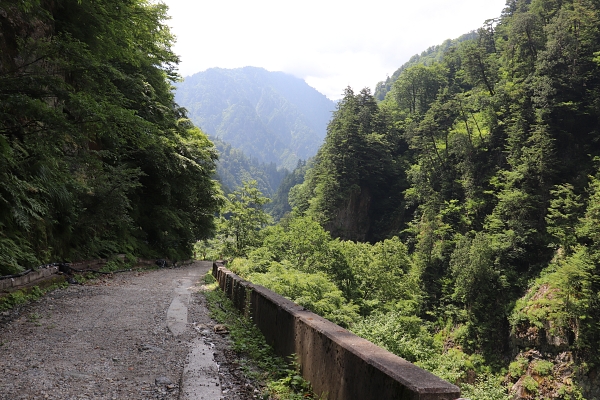
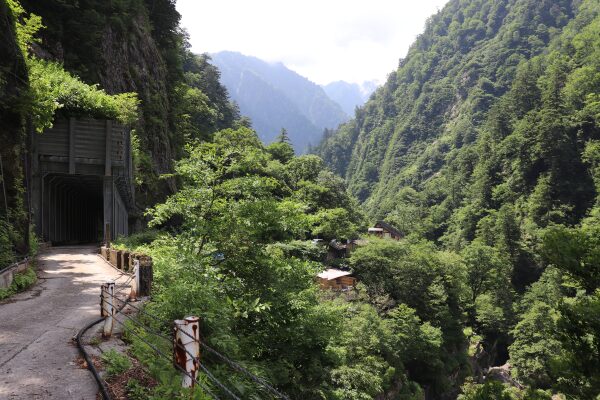
Carried to the Mountains on the Kurobe Gorge Railway
Traveling this far into the mountains usually requires serious hiking and planning, but the Kurobe Gorge Railway makes it possible to experience Japan’s wild alpine terrain with surprising ease. As the train slowly retraces its path through forests, bridges, and cliffs, you’re left with a deep appreciation of the mountains and river that carved it.


Leave a Reply