Jade Coast in Toyama: A Coast of Jade
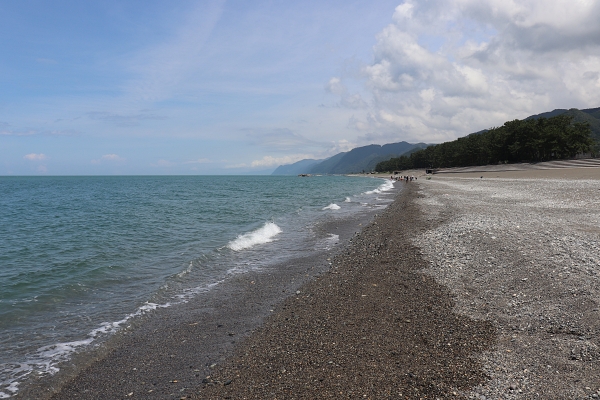
Just a stone’s throw from the border of Toyama and Niigata Prefectures, you’ll find the stunning Jade Coast. This isn’t your typical beach. Instead of soft sand, the shore is covered in smooth, colorful stones, some of which might actually be jade. Yes, real jade!
Where is the Jade Coast?
Jade Coast is located directly in front of Etchū-Miyazaki Station on the Ainokaze Toyama Railway. Stretching about 4 kilometers, its official name is the Miyazaki Sakai Coast.
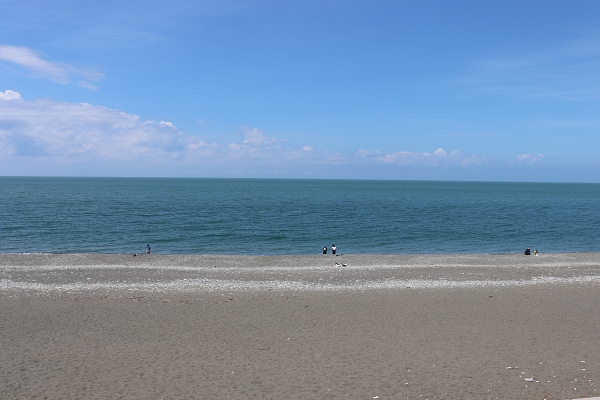
The sea here is considered one of the most beautiful in Toyama Prefecture. In summer, many people come to swim, but when I visited, hardly anyone was in the water — likely because of the extreme summer heat. Recently, summers in Japan have been unbearably hot.
A Unique Gravel Beach
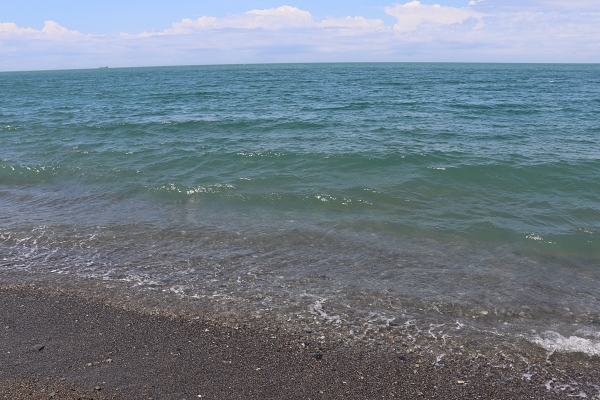
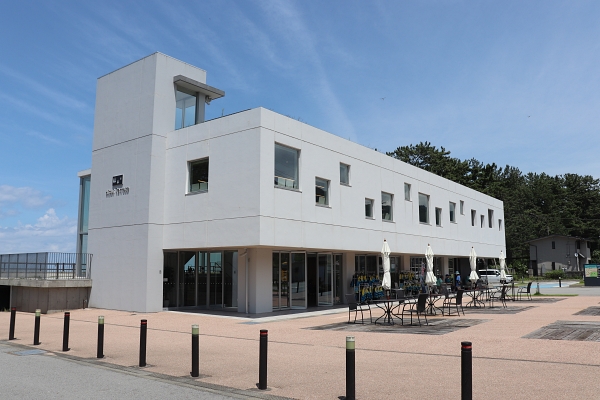
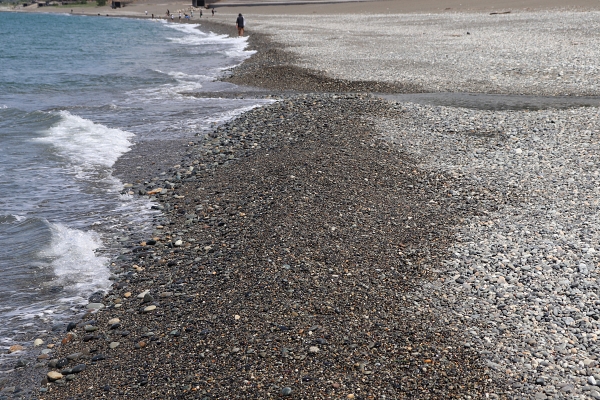
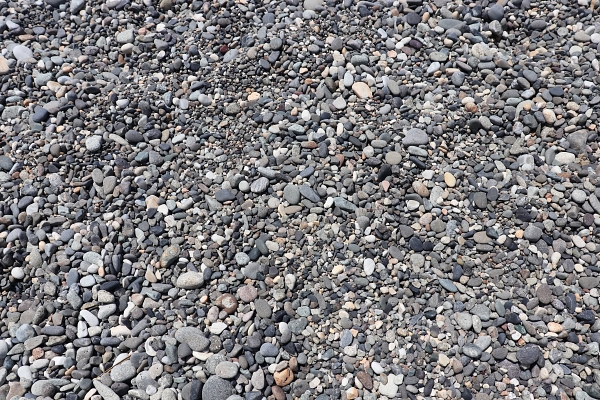
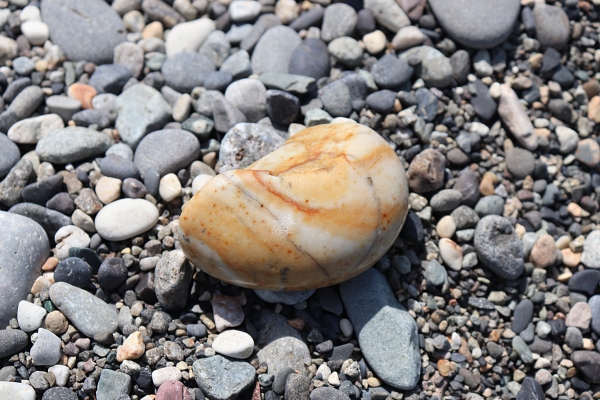
Unlike most beaches, Jade Coast is not sandy but covered with smooth, rounded pebbles. The stones are so polished that you can comfortably walk barefoot along the shore. The water of the Sea of Japan here is clear and refreshing, and there are facilities like the Hisui Terrace where you can take a break in the shade.
Why “Jade Coast”?
The name comes from the fact that rough jade can actually be found here. As far as I know, this is one of the very few coasts in Japan where jade stones naturally wash ashore — and the best part is, you’re allowed to take them home if you find one.
Jade has been treasured in Japan since ancient times for its use in jewelry and ceremonial items, which is why it is considered the national stone of Japan.
How to Identify Jade on Jade Coast
The gravel layer on the beach is almost a foot deep, so many visitors try digging or sifting through stones to find jade. On this coast, jade is most commonly white and can be identified by three characteristics:
Square or blocky shape
Heavier weight compared to other stones
Smooth surface
At first glance, it seems like finding jade should be easy because there are so many stones. In reality, it’s quite challenging. When I visited, several people were searching, but I don’t think anyone actually found jade.
Other Interesting Stones
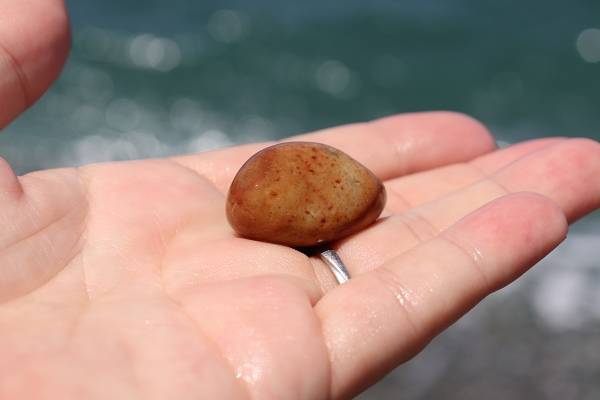
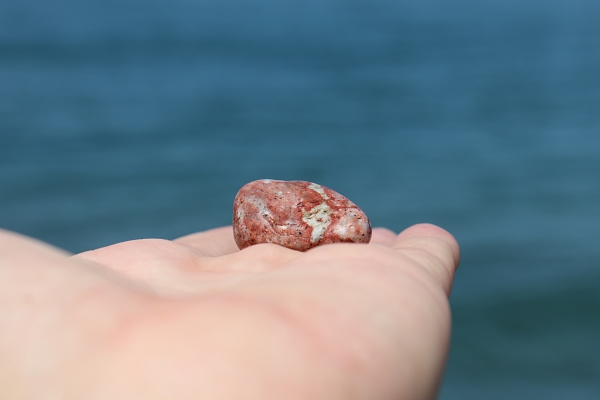
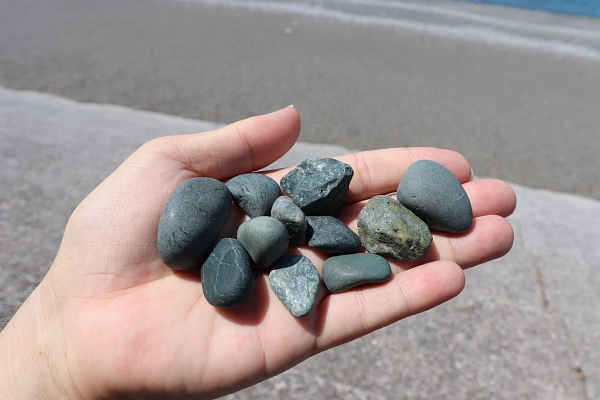
Even if you don’t discover jade, the Hisui Coast is full of fascinating rocks. You can spot igneous, sedimentary, metamorphic, and mineral stones washed ashore, each with its own unique patterns and colors.
I found various stones, but unfortunately, none were jade. However, the diversity made the search enjoyable and rewarding.
Best Season to Visit Jade Coast
After an hour of searching under the blazing sun, I left without finding any jade. Perhaps autumn or winter, when the tides are rougher and more stones are churned up, would be a better time to try.
Still, even without jade, walking along the Jade Coast is a relaxing and memorable experience, offering natural beauty, geological variety, and a glimpse into Japan’s deep history with jade.


Leave a Reply