Minazuki: Kyoto’s Traditional Summer Sweets
Kyoto has countless traditional sweets to enjoy throughout the year, but Minazuki is one of the city’s most beloved summer treats. This simple sweet has a long history, and people traditionally enjoy it with a cup of tea during the hot summer months.
What is Minazuki?
The story of Minazuki dates back to the Imperial Court during the Heian period. In June, the Imperial Court held a ceremony called “Himuro no Sechie.” During the ceremony, people brought ice from mountain ice houses into the city and ate it to pray for good health and protection from illness.
However, ice was extremely valuable and unavailable to ordinary people. As a substitute, a sweet called Minazuki was created to represent this precious summer treat.
Over time, Minazuki became closely associated with the Nagoshi no Harae festival, which is held on June 30. This day marks the halfway point of the year, and people take part in purification rituals to cleanse themselves of the impurities they have accumulated and pray for a safe and peaceful life for the rest of the year. During Nagoshi no Harae, visitors pass through a large grass ring called a chinowa to purify themselves and pray for good health.
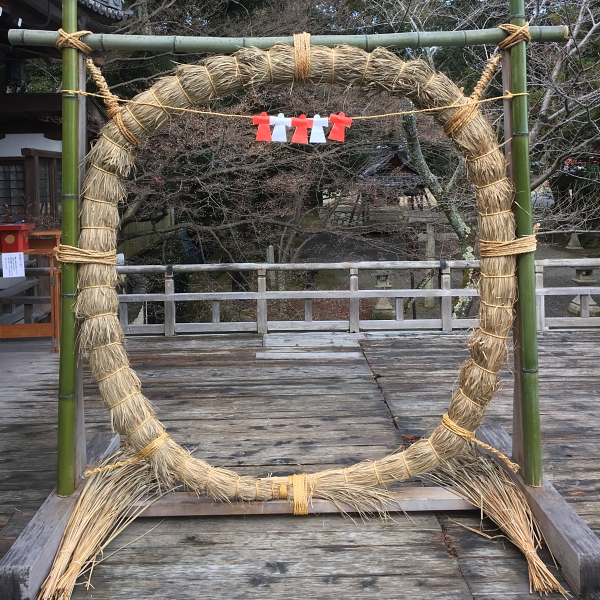
Today, Minazuki remains a traditional Kyoto confectionery that is especially popular at the end of June.
Eating Minazuki
Because of its connection to the Nagoshi no Harae festival, Minazuki is traditionally eaten on June 30. As a result, this sweet is usually available in Kyoto from mid to late June.
When the season arrives, almost every traditional Japanese confectionery shop and mochi store in Kyoto begins selling Minazuki. For many locals, seeing this sweet appear in shops is a sign that summer has arrived.
How’s the Taste?
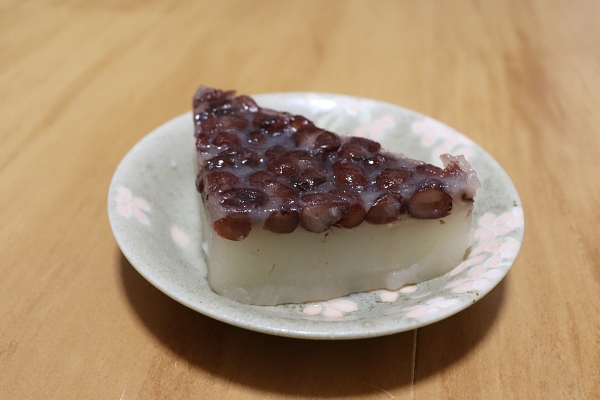
Minazuki may look like mochi, but the bottom layer is actually made from uirō, a traditional steamed sweet made from rice flour. It has a soft and slightly chewy texture, similar to mochi but lighter and more delicate.
On top of the uirō is a layer of sweet simmered adzuki beans, which adds a gentle sweetness and rich flavor. The combination creates a simple but well-balanced taste.
Minazuki is traditionally shaped like a triangle to represent a piece of ice. In the past, ice was extremely precious and difficult to cut into neat shapes, so the triangular design became a way to recreate the appearance of ice.
Today, some confectionery shops offer different versions of Minazuki, including flavors such as matcha and brown sugar.
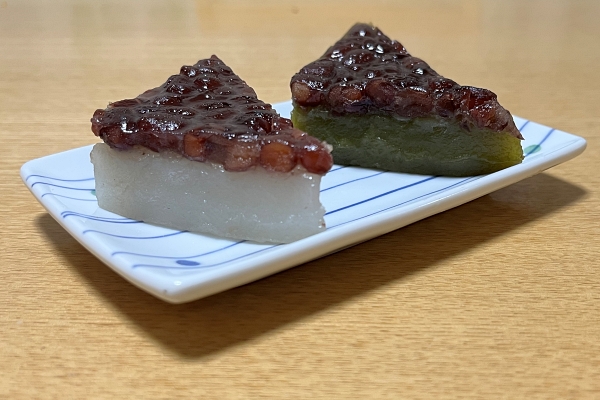
The flavor is surprisingly refreshing. The mild taste of the uirō pairs beautifully with the sweetness of the adzuki beans, creating a light dessert that is perfect for summer. Like many traditional Japanese sweets, it is not overly sweet and goes especially well with green tea.
A Sweet Tradition for a Healthy Summer
For centuries, people in Kyoto have enjoyed Minazuki while wishing for good health and protection from illness during the summer. This small, simple sweet carries a lot of history and remains an important part of Kyoto’s seasonal traditions.
If you visit Kyoto in June, be sure to try Minazuki and experience a taste of the city’s summer culture.

Leave a Reply