Japan’s Rural Depopulation Crisis: Why Rural Japan Is Disappearing
If you visit Tokyo, you might think Japan is incredibly convenient, clean, vibrant, and simply the best place to be. But that image does not reflect much of rural Japan today. In fact, rural depopulation in Japan has become one of the country’s biggest long-term problems. Regional cities are facing severe population decline and rapid aging. Shops continue to shut down one after another, and in many places, there is almost no vitality left.
The reality is that Tokyo keeps absorbing people from regional areas, and only Tokyo continues to develop at an astonishing pace. This trend will likely never change.
Rural Flight and the Growing Population of Tokyo
Ever since Japan’s period of high economic growth in the 1960s and 70s, young people have moved to urban areas in search of better jobs. Today, across rural Japan, many young people leave their hometowns after graduating from school, and as a result, the youth population continues to decline rapidly.
This ongoing rural depopulation in Japan has led to falling birthrates and aging populations in many regional cities. Today, about 40% of towns and villages in Japan have populations where more than half of the residents are aged 65 or older. These are called genkai shuraku. As young people disappear, family businesses struggle to find successors, leading to closures and bankruptcies. Many vacant houses are left abandoned, and forests and farmland become harder to maintain.
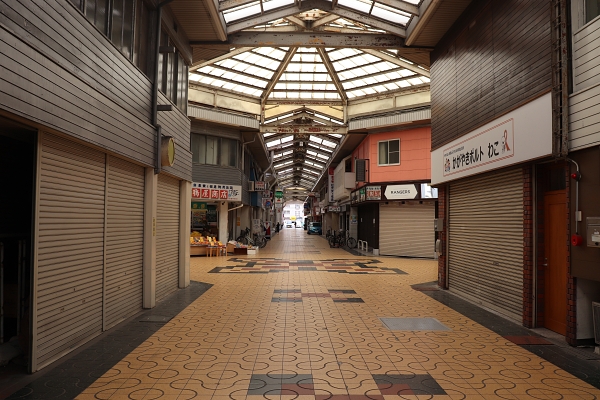
At the same time, the growing elderly population reduces municipal tax revenues while increasing social security costs, putting immense pressure on local finances. When cities have less money, they spend less on infrastructure, which leads to worsening living conditions. Public hospitals close, roads deteriorate, and even traditional, longstanding festivals are sometimes suspended because there are not enough people to keep them going.
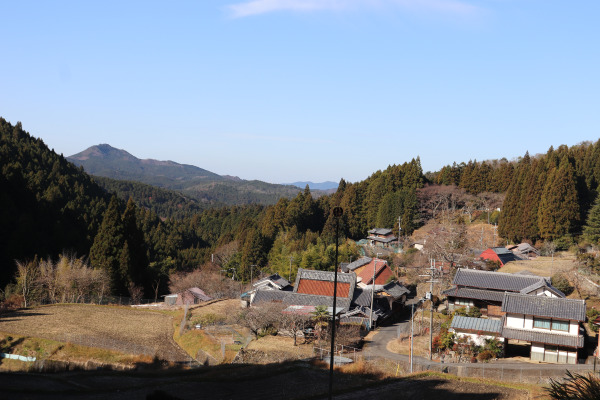
Why Tokyo Keeps Growing, and Rural Japan Keeps Shrinking
So where do young people go? The answer is urban areas, especially Tokyo. Young people continue moving there, and Tokyo’s population has grown so much that housing prices in central areas have skyrocketed. For many Japanese people, buying a home in central Tokyo is simply impossible.
As a result, many now buy homes in places like Saitama or Chiba, where housing is much cheaper, and commute into Tokyo for an hour or more. In fact, while Tokyo itself is expensive, living a little outside the city center can cost about the same as living in some rural cities.
Surprisingly, major cities like Osaka and Nagoya are only barely maintaining their populations. They, too, are losing people to Tokyo.
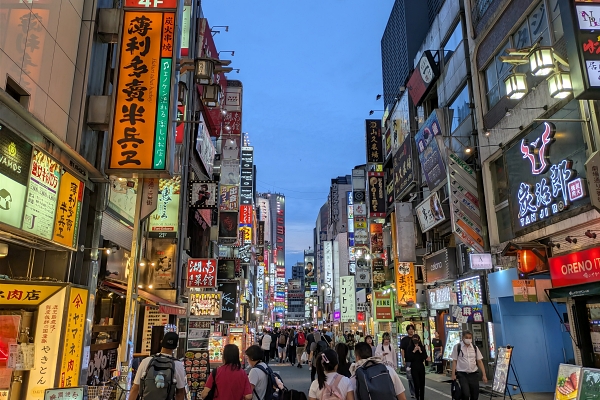
The national government is well aware of this “Tokyo concentration problem”- the movement of people and resources from rural Japan into Tokyo- and has introduced various policies to revitalize regional areas. Unfortunately, the trend shows no signs of stopping, and it may already be too late to reverse.
Some experts warn that by 2050, around 40% of municipalities in Japan, including some major cities like Aomori, could become unsustainable and face disappearing altogether.
Why Young People Move to Tokyo: Causes of Rural Depopulation in Japan
So why do people leave the rural cities and move to Tokyo? Drawing from our experience of living in both Tokyo and the countryside, we want to compare how Tokyo differs from other rural cities in Japan.
1. Better job opportunities
In Japan, large corporations are referred to as jojo kigyo. These are companies listed on the Prime Market of the Tokyo Stock Exchange and represent Japan’s major corporations. Currently, over 50% of these companies have their headquarters in Tokyo. Simply being in Tokyo increases your chances of joining a major company and earning a higher salary.
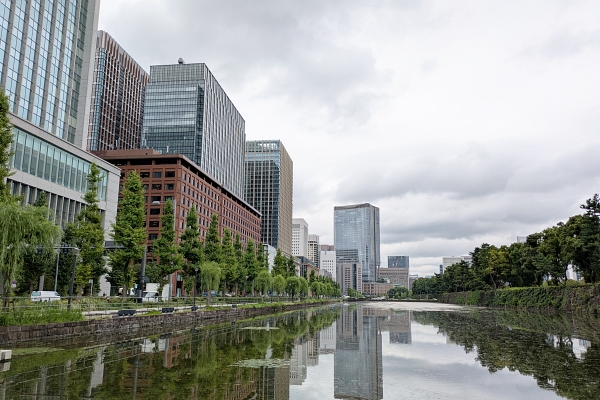
The wage gap is also a major issue. Minimum wages in rural prefectures are lower than in Tokyo. In many regional areas, starting salaries are less than 200,000 yen ($1,200) a month. Tokyo’s larger economy also makes it easier for young people to find jobs that match their goals. Changing jobs is much easier, too.
Of course, rural cities still have large companies, but tech companies and startups are far fewer. In some places, even companies with poor working conditions are tolerated simply because they support the local economy.
2. Convenient public transportation
Tokyo is incredibly convenient. If you live there, you probably do not need a car. Maintenance costs and parking fees are expensive, and you can get almost anywhere by train or bus. Long-distance travel is also easier in Tokyo because the Shinkansen network is so extensive. You can quickly reach almost any major regional city. And for international travel, Haneda Airport is only about 20 minutes from central Tokyo.
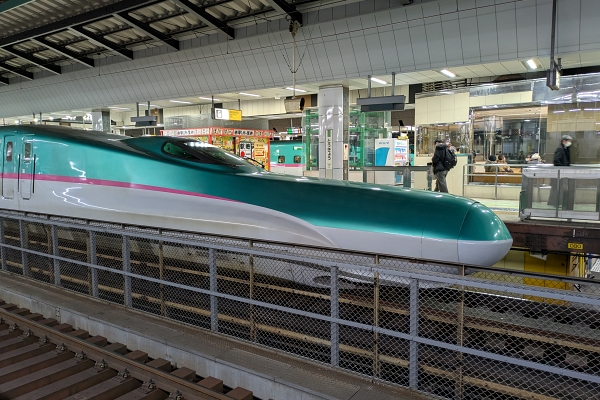
Things are very different in the countryside. In some places, trains may only run once or twice an hour. Bus routes are unreliable, and many have been discontinued because of labor shortages. With transportation this limited, each family member often needs their own car. That means maintenance costs quickly become a major expense.
This transportation gap is another reason rural depopulation in Japan continues.
3. Access to education
For many families, Tokyo offers far more educational opportunities. There are plenty of childcare services and daycare centers that make it easier for working couples to raise children. As children grow older, cram schools are everywhere, and extracurricular activities are easy to find.
University access is one of Tokyo’s biggest advantages. The city has countless high schools and universities at every level, and commuting is relatively easy. Students can aim for schools that fit their abilities.
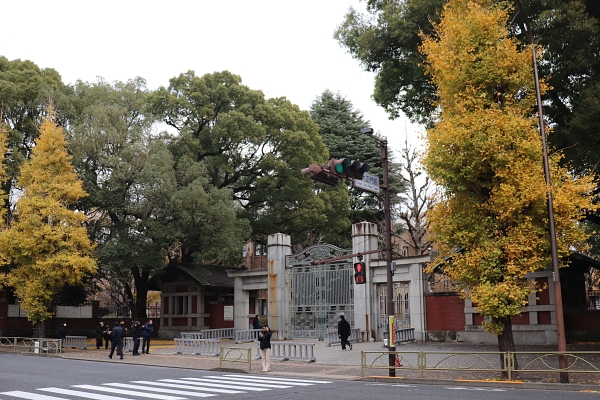
In rural areas, there are simply fewer cram schools. Things may be fine until junior high school, but university entrance exams become much harder. There are also fewer choices for high schools and universities. As a result, many students only apply to one local public university, and if they fail, they often enter the workforce right after high school.
Many rural families simply do not have the money to send their children to Tokyo.
4. More entertainment
Living in Tokyo, you will never get bored. There is no shortage of entertainment: cafes, movie theaters, shops, stylish restaurants, and more. Stores close all the time, but new ones quickly replace them.
People who love city life, especially college students, often dream of living in Tokyo. There are countless clubs to join and many part-time jobs to choose from, making it easy to build relationships and meet new people. College life in Tokyo offers many opportunities.
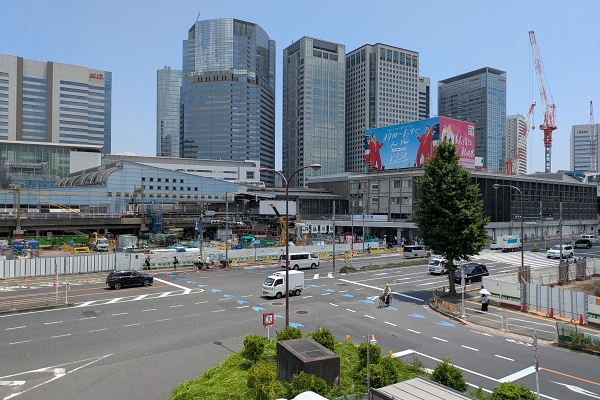
On the other hand, there are not many things to do in rural cities. Shopping streets are often deserted, so students spend time at large local Aeon malls. There may be nowhere to buy stylish clothes or relax at trendy cafes. Many students stay home, play games, or drink with friends.
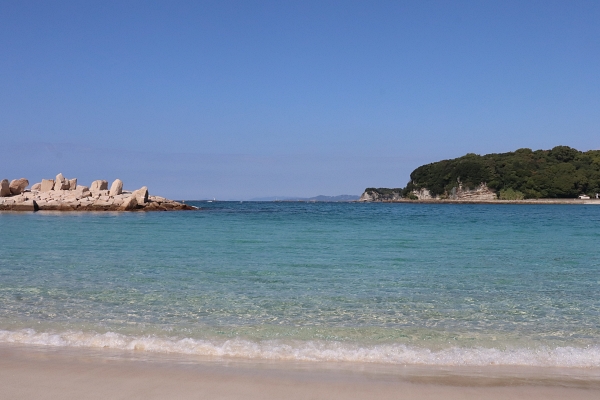
Nature is one advantage of rural life, but not every young person values outdoor activities enough to stay.
5. Freedom from old mindsets
If you live in both Tokyo and rural Japan, you quickly notice how different people’s mindsets can be. Tokyo has made more progress toward gender equality, and many women are encouraged to build careers and become financially independent.
Like in many large cities, people in Tokyo are often indifferent to others. It is common to live in an apartment without speaking to your neighbors or even knowing who lives next door.

Things are very different in rural areas. In some places, traditional gender roles remain strong, and fathers are often still seen as the unquestioned head of the household.
In more remote countryside areas, this can be even stronger. Some communities can feel closed off and less welcoming to outsiders. People may feel pressured to join local events, and private lives often attract more attention. For many younger people, this lifestyle is simply not compatible.
Conclusion
While both Tokyo and rural cities have their own advantages, once you experience life in Tokyo, it becomes easy to understand why so many people choose to stay.
Because of this, rural depopulation in Japan will likely continue as more people move to Tokyo and its surrounding cities. This will force neighboring regional cities to compete for fewer and fewer residents. In the end, some cities will survive, while others will disappear.
Cities with strong tourist attractions may still manage, but those without them face a much harder future. For those places, rather than trying to attract new residents at all costs, it may make more sense to accept population decline and focus on building communities that can function sustainably with fewer people.


Leave a Reply