Kitsune Udon: Osaka’s Original Udon Dish
Udon is one of the most popular foods in Japan, not only with Japanese people but foreigners too. However, when Japanese people think of udon, they always forget that Osaka is the birthplace of kitsune udon.
Osaka Udon: The Birthplace of Kitsune Udon
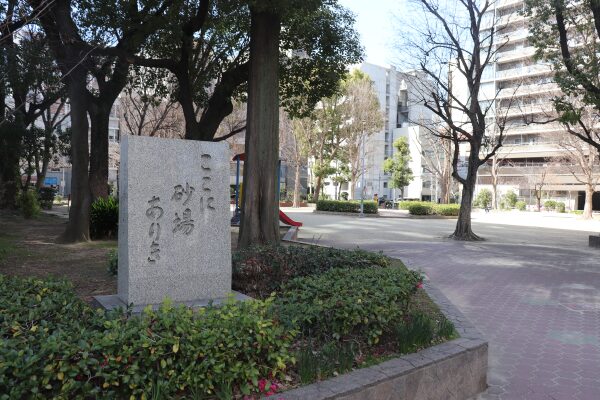
Udon noodles have a long history in Osaka. When Hideyoshi built Osaka Castle, many udon and soba shops lined the material storage area called Sunaba (literally “sandbox”) in the Shinmachi district. This area became famous for its noodles, and the soba served there is now known as Sunaba soba in Tokyo.
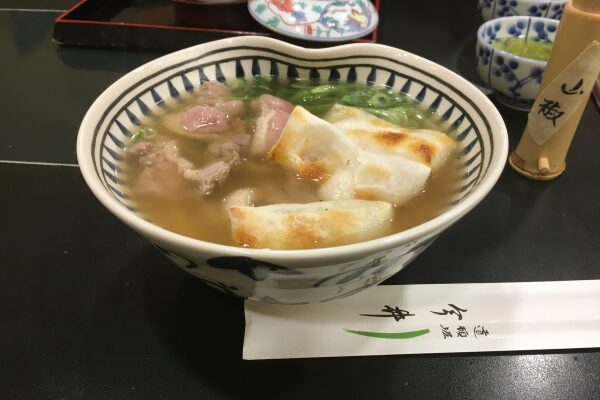
What sets Osaka udon apart is its broth. While noodles are important, the dashi—a rich stock made from kelp and bonito flakes—is the star of Osaka udon. During the Edo period, Osaka was known as “the nation’s kitchen,” and ingredients from across Japan contributed to the region’s distinctive, flavorful dashi. In Kansai, unlike Kanto, the broth is meant to be savored to the very last drop.
Kitsune Udon: Osaka’s Signature Udon Dish
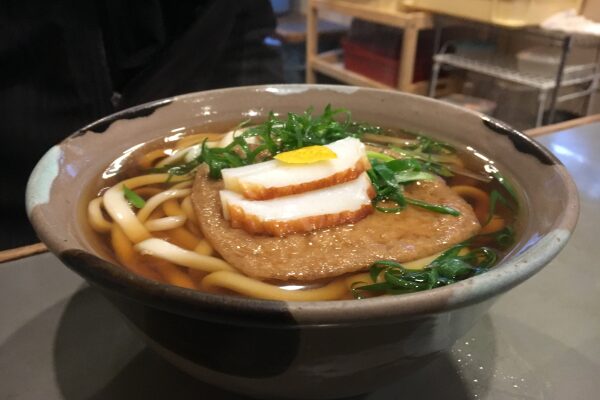
Kitsune udon is popular nationwide, but it actually originated in Osaka, at Usami-tei Matsubaya in Honmachi. Surprisingly, even many people from Osaka don’t know this!
Kitsune udon gets its name from the thin slices of fried tofu that sit on top of the noodles. According to folklore, these pieces of tofu are a favorite of fox spirits (kitsune). Unlike other udon styles, which highlight the noodles, kitsune udon emphasizes the broth, giving the dish its signature comforting flavor.
Udon’s companion: Kayaku Gohan
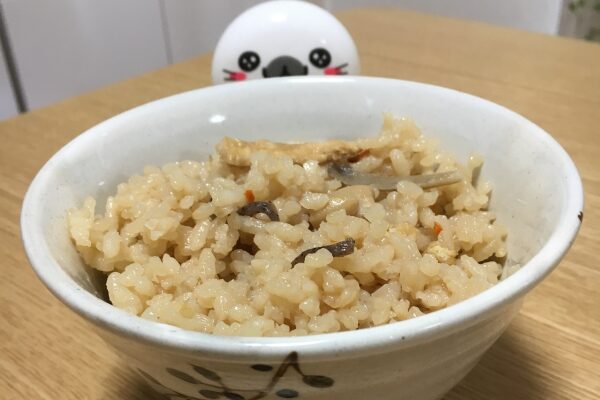
Another dish to try at an udon restaurant is kayaku gohan, a rice dish that also relies heavily on dashi. Almost all Osaka udon restaurants serve it, so it’s highly recommended as a side dish.
Enjoying Authentic Osaka Udon
Thanks to the popularity of Sanuki udon chains, traditional Osaka udon restaurants are becoming rarer. A bowl of Osaka udon can cost 1,000 yen or more, but it’s worth it. If you want to taste authentic Osaka cuisine, kitsune udon is a must-try.


Leave a Reply