Iekei Ramen: Yokohama’s Addictive Ramen
When people talk about Japanese ramen, Hakata and Sapporo usually steal the spotlight. Yet another style has quietly built a devoted following—and now it’s impossible to ignore. Iekei Ramen, born in Yokohama, delivers a bold, comforting richness that keeps fans lining up for more. One spoonful of its creamy pork-soy broth explains the obsession immediately.
Iekei Ramen
What Is Iekei Ramen?
Iekei Ramen traces its roots to Yoshimura-ya, a small ramen shop opened in Yokohama in 1970 by Mr. Yoshimura. His powerful broth and distinctive style drew aspiring ramen chefs from across Japan. Many trained under him before opening their own shops, helping Iekei ramen spread nationwide.
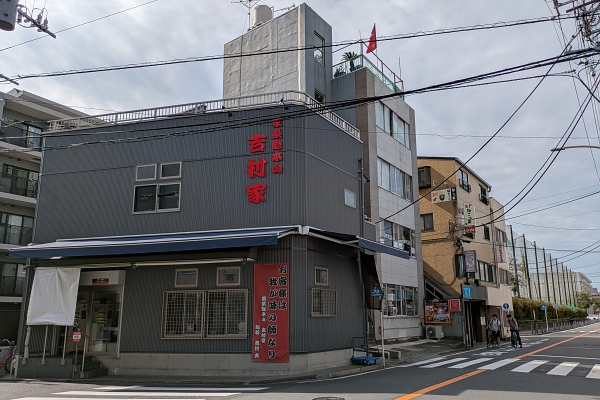
Many of Mr. Yoshimura’s apprentices named their shops by adding -ya (meaning “house” or “family”) to their family names. Examples include Sugita-ya and Rokkaku-ya. Because of this naming tradition, the style became known as Iekei ramen—literally, “family-style ramen.”
Today, not every Iekei ramen shop descends directly from Yoshimura-ya. Some owners trained elsewhere, and large chain restaurants now serve Iekei ramen casually across Japan. Still, the core characteristics remain unmistakable.
Where Bold Flavor Meets Comfort in a Bowl
So, what is it that sets this kind of ramen apart from other ramen styles?
The answer starts with the broth. This ramen features a thick pork soy sauce soup made from pork bones and chicken bones. It is intensely rich—almost chowder-like in texture. The depth of flavor hits hard and lingers.
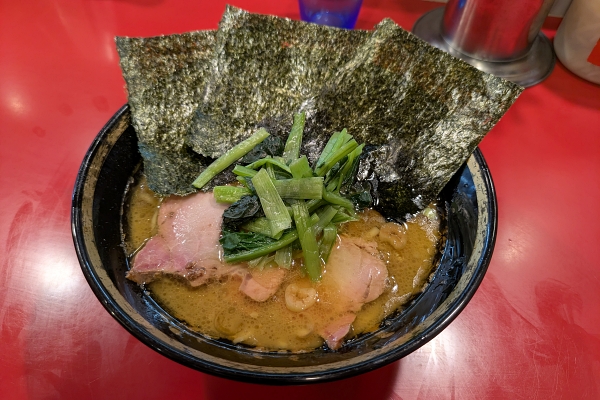
The toppings stay simple and classic. Most bowls include chashu pork, nori seaweed, and spinach. While toppings vary by shop, these three define the Iekei style. Extra toppings are usually available for an additional charge.
Another defining feature of Iekei ramen is customization. When ordering, you can often choose:
- Noodle firmness
- Amount of oil
- Strength of flavor
If you feel unsure, just say “futsuu” (normal). That choice never fails.
Tasting iekei ramen
The popularity of Iekei ramen surprises many first-time visitors. At famous shops like Yoshimura-ya or Sugita-ya, waits of 30 minutes or more are common.
One bite tells you why.
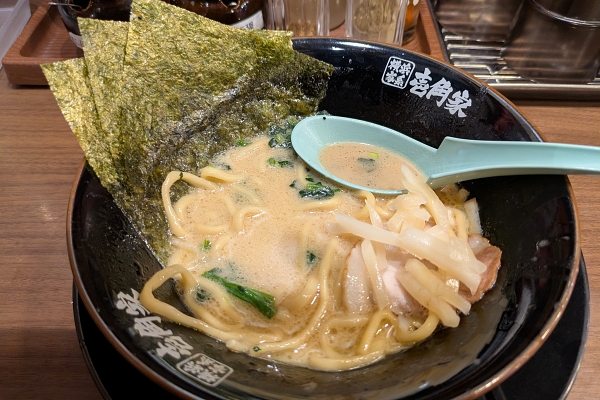
The broth tastes deeply savory with a noticeable saltiness. It feels heavy, yet incredibly satisfying. Some people find it oily. Ramen lovers call it perfect.
This richness pairs beautifully with rice. Many diners order rice alongside their bowl, and some restaurants offer free rice or free refills on their rice. That feels especially welcome with the price of rice ever climbing for the past year.
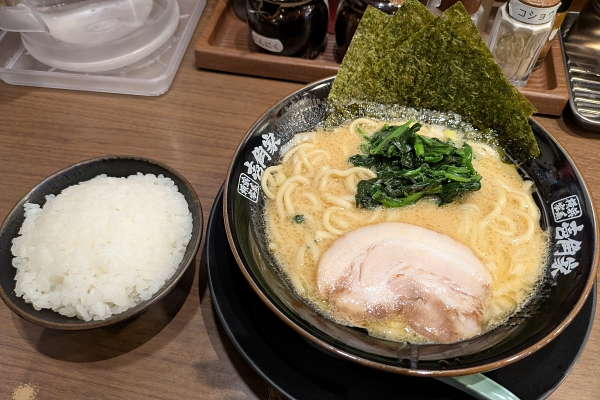
There’s no single correct way to eat rice with ramen. Personally, I recommend pairing rice with chashu pork and nori soaked in broth. The combination is unbeatable.
Most Iekei-style shops also provide free ginger and garlic at the table. Adding them changes the flavor dramatically. Ginger, in particular, adds brightness and cuts through the heaviness. It even makes the ramen feel less oily.
The Kind of Ramen You Remember
Iekei Ramen stands out as one of Japan’s richest and most satisfying ramen styles. Its bold broth and simple toppings have earned fans across the country. Just pace yourself. One bowl delivers a serious dose of calories and fat—but sometimes, that’s exactly what you’re craving.


Leave a Reply