Bakumatsu, The End of the Edo Period
Throughout Japan’s long history, the most popular eras are undoubtedly the Sengoku period and the Bakumatsu. The Bakumatsu refers to the final 16 years of the Edo period, beginning in 1853. With its conclusion, the Tokugawa shogunate — the samurai government that had ruled Japan since 1603 — came to an end.
The story of the Bakumatsu is complex, but here’s a clear overview. The forced opening of Japan to foreign powers created deep divisions within the country. Two main factions emerged: those who sought to destroy the shogunate and revere the emperor (Sonno Joi), and those who advocated cooperation between the shogunate and the emperor to handle foreign threats (Kobu Gattai).
The Sonno Joi faction established ties with Kobu Gattai fraction and imported modern weapons and technology, ultimately helping bring down the Tokugawa shogunate.
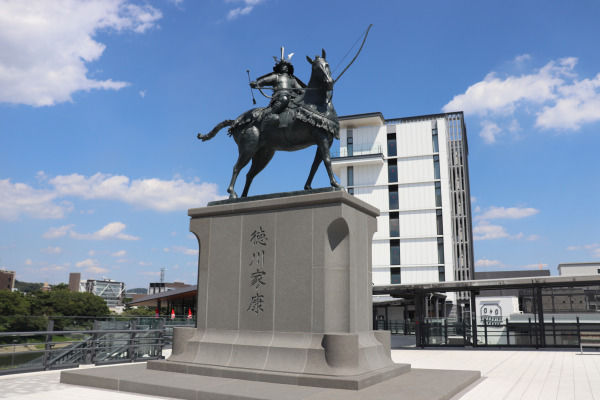
Opening Japan and the Unequal Treaties
Japan entered the Edo period in 1603 under the Tokugawa shogunate. From 1639, Japan maintained a strict isolation policy (sakoku), trading only with the Netherlands, Korea, and China at Dejima in Nagasaki. Because of this policy, Japan fell far behind Western nations in modernization.
In 1853, Commodore Matthew Perry arrived from America at Uraga, Kanagawa, commanding four massive black steamships (kurofune) and demanding that Japan open its ports. The Japanese were astonished by the ships and cannons.
Fearing military force, Japan felt compelled to open its country, signing the Japan–US Treaty of Peace and Amity (Convention of Kanagawa) in 1854. This treaty opened the ports of Hakodate and Shimoda, marking the end of the sakoku policy.
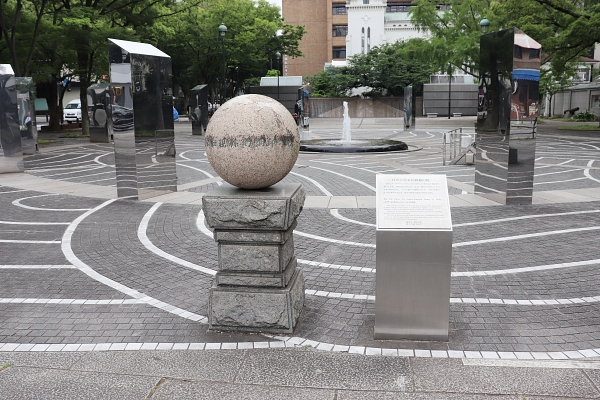
Following this, the United States stationed a consul general in Japan, and Townsend Harris was appointed to the post. Harris demanded that Japan negotiate a new treaty for free trade. The Edo government sought the emperor’s opinion, but Emperor Kōmei opposed foreign powers and refused to conclude trade agreements.
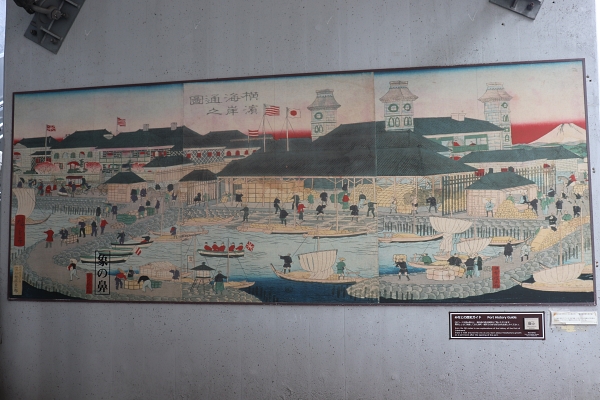
Facing this deadlock, the shogunate’s Great Elder, or Tairo, Ii Naosuke, unilaterally concluded the Treaty of Amity and Commerce in 1858, opening ports in Niigata, Hyogo (later Kobe), Kanagawa (later Yokohama), and Nagasaki to the United States, and subsequently to the Netherlands, Russia, France, and Britain.
These unequal treaties, concluded during the Bakumatsu, were highly unpopular, granting extraterritorial rights to foreign powers and preventing Japan from imposing tariffs. Exports such as silk increased excessively, causing inflation and impoverishing many Japanese citizens.
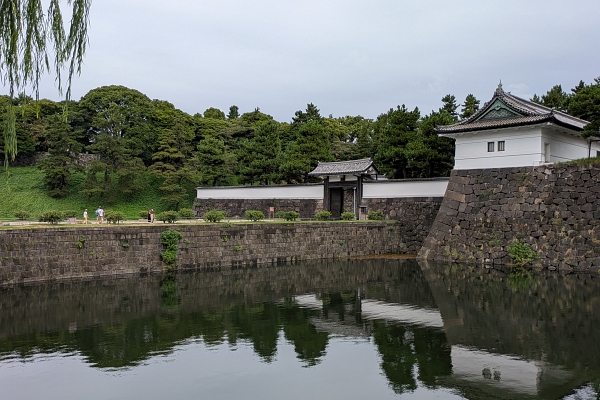
Ii Naosuke, who concluded treaties against the emperor’s will, suppressed opposition, executing hundreds of people, including Yoshida Shōin and Hashimoto Sanai. However, this provoked retaliation: Ii Naosuke was assassinated at Sakurada Gate of Edo Castle, signaling the start of the shogunate’s decline.
Sonno Joi vs Kobu Gattai
As dissatisfaction with the shogunate grew, lower-ranking samurai increasingly blamed foreigners for Japan’s troubles. Some adopted the Sonno Joi philosophy, seeking to overthrow the weak shogunate and expel foreign influence, while respecting the emperor. In response, the Kobu Gattai faction advocated cooperation between the emperor and shogunate to resist foreign threats.
The Choshu Domain (Yamaguchi) and Tosa Domain (Kōchi) were leaders of Sonno Joi, while Satsuma (Kagoshima) and Aizu (Fukushima) supported Kobu Gattai. These domains, though distant from Edo and Osaka, had the wealth and organization to influence national politics, unlike many poorer regions.
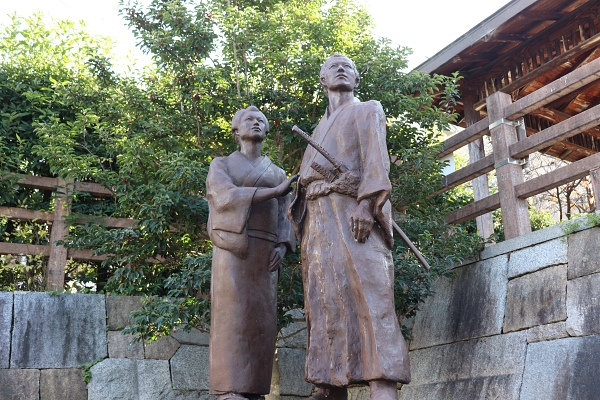
Choshu Domain During the Bakumatsu
The Choshu Domain, a stronghold of the radical Sonno Joi faction during the Bakumatsu, took bold and aggressive action against foreign influence. From batteries in Shimonoseki, they fired cannons relentlessly at foreign ships passing between Honshu and Kyushu. However, these extreme measures backfired, leading to Choshu’s expulsion from Kyoto during the August 18th Coup.
In response, the Shinsengumi was formed to protect Kyoto from the radical Sonno Joi. Undeterred, Choshu attempted to restore its honor by marching again on Kyoto, clashing with troops from Aizu and Satsuma.
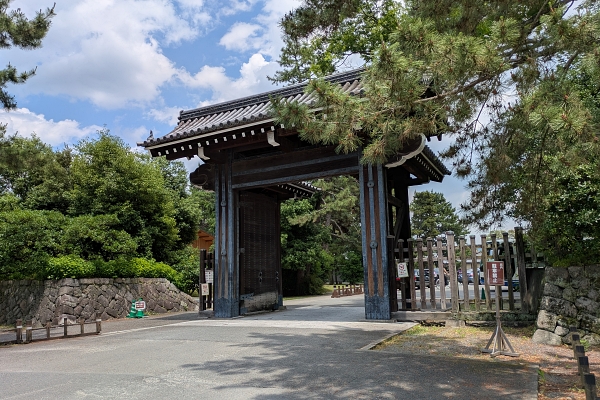
During this fight, Choshu accidentally fired on the gates of the Imperial Palace, making them temporary enemies of the emperor despite originally fighting to uphold imperial sovereignty.
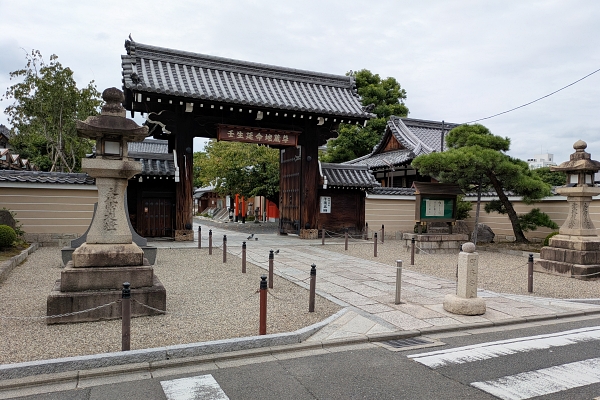
Of course, Choshu did not remain quiet. To restore its honor, the Choshu domain once again marched on Kyoto and clashed with troops from Aizu and Satsuma.
They burned the city to the ground, but during the fight Choshu mistakenly fired arms to the gate of Imperial Palace, which made them the enemy of Emperor. Choshu, which had originally fought to uphold the Emperor’s sovereignty, was now recognized as an enemy even by the Emperor.
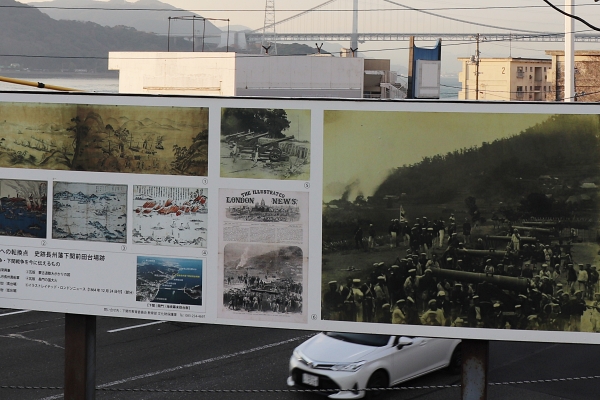
As the situation in Choshu worsened, the shogunate finally decided to dispatch troops to Choshu. However, actual combat was minimal, and Choshu surrendered very quickly. This was because, at that time, Choshu was facing retaliation from the United States, Britain, France, and the Netherlands for the cannon fire it had unleashed at Shimonoseki.
Choshu’s surprisingly easy defeat against foreign powers led it to realize that expelling foreigners might be impossible.
Satsuma Domain the Bakumatsu
Meanwhile, the Satsuma Domain also struggled with contradictions. Although they outwardly supported Kobu Gattai, within Satsuma there were strong factions that believed the shogunate was no longer capable of defending Japan from foreign threats.
In 1862, on the road near Namamugi in Yokohama, the Namamugi Incident occurred. A British merchant, Charles Lennox Richardson, failed to yield to the daimyo procession of Shimazu Hisamitsu, a grave insult at the time. Samurai retaliated and killed Richardson. Britain demanded heavy reparations, but Satsuma refused, believing they had followed samurai law.
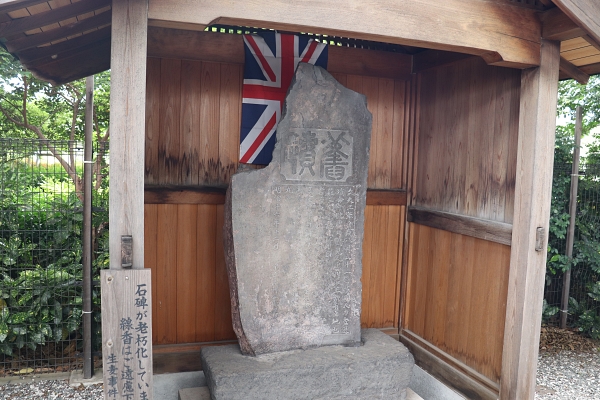
This escalated into the Bombardment of Kagoshima in 1863, when British warships attacked the city. Satsuma fought fiercely but ultimately suffered heavy losses and agreed to pay reparations. However, the domain learned a crucial lesson: Britain’s military power came from industry and modern weaponry — something Japan urgently needed.
Satsuma began secretly collaborating with Western powers, especially the British. They purchased advanced firearms and warships, training their samurai in modern warfare. During this period, Saigo Takamori and Okubo Toshimichi rose as influential leaders pushing political reform.
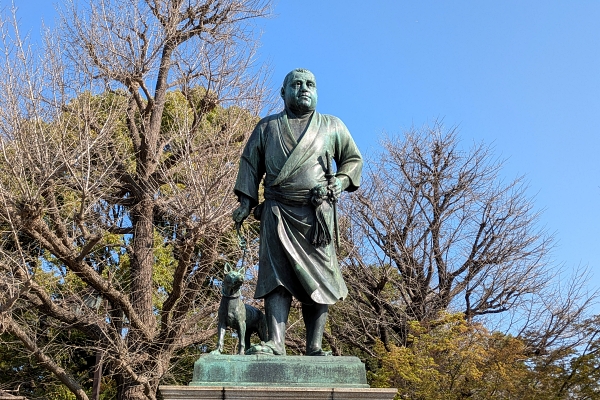
Satsuma’s mindset shifted dramatically: Foreign technology was not a threat — it was necessary for overthrowing the outdated Tokugawa rule.
This transformation is what eventually allowed Satsuma to change sides, leaving the shogunate and helping form the Satcho Alliance with Choshu. Their cooperation became the driving force that ultimately brought the Bakumatsu to its climax — the collapse of the Edo shogunate.
The End of the Edo Period
Choshu continued to be a major threat to the shogunate, refusing to abandon its goal of overthrowing the government. In 1867, the shogunate launched a second military campaign against Choshu, but this time the situation was very different. Satsuma, once a reliable ally, refused to support the shogunate. In fact, it had secretly formed an alliance with Choshu and was supplying them with advanced Western weapons purchased from Britain.
Then another major event shook the government. The 14th Shogun, Tokugawa Iemochi, died of illness. With his death, the shogunate’s will to fight weakened, and they quickly lost the campaign.
The next shogun, Tokugawa Yoshinobu, soon learned that Satsuma and Choshu were actively preparing to overthrow the shogunate. Seeing the shift in power, he chose to return governing authority to the Emperor in 1867 at Nijo Castle. This decision, known as Taisei Hōkan, ended 265 years of Tokugawa rule.
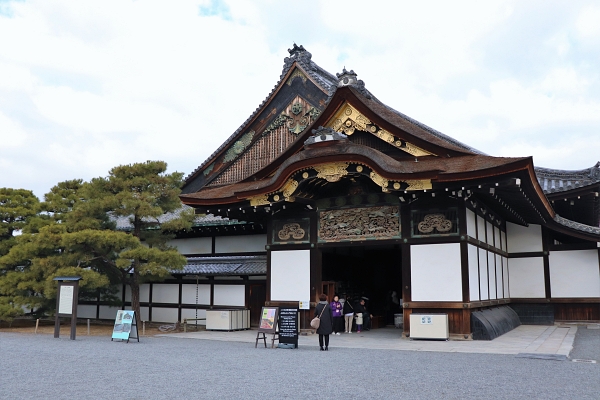
However, Yoshinobu did not believe that his government would disappear completely. He expected the new administration to continue depending on the Tokugawa. Instead, the new imperial government issued the Decree for the Restoration of Imperial Rule, establishing a political system focused entirely on the Emperor. Feeling excluded, the Tokugawa resisted, and the Boshin War began.
Despite the experience of the former shogunate forces, they were completely overpowered by the new government’s modern Western weapons and military organization. Defeat came quickly, and from that point forward, the Tokugawa no longer held real political influence.
This marked the end of the Edo period and the final turning point of the Bakumatsu, leading Japan into the rapidly modernizing Meiji era and a new future on the world stage.


Leave a Reply