Kyoto Souvenirs: A Guide to Must-Try Traditional Sweets
Kyoto has long been Japan’s cultural heart, and its traditional sweets are among the most memorable Kyoto souvenirs you can bring home. Long before modern cafes and trendy snacks appeared, Kyoto’s craftsmen were making delicate wagashi using simple ingredients, seasonal flavors, and centuries-old techniques.
If you’re visiting Kyoto for the first time—or returning and want to try something new—these timeless sweets are the ones locals still seek out. From yatsuhashi and ajari mochi to lesser-known treats only found in certain neighborhoods, here are some of the best traditional Kyoto souvenir sweets to taste or take home.
Note: The souvenir shop in front of Yaesu Exit (shinkansen) and the basement floor of department stores are the best places to buy souvenirs!
Best Traditional Kyoto Souvenirs
Tips for These Kyoto Souvenirs
If you’re hunting for the best traditional Kyoto souvenirs, here’s a quick guide to help you plan your purchases:
Where to Buy:
Department Stores: Isetan, Takashimaya, and Daimaru in Kyoto Station often carry a curated selection of local sweets and treats.
Souvenir Shops near Landmarks: Shops near Yasaka Shrine, Kiyomizu-dera, and Nishiki Market stock classic Kyoto souvenirs, including mochi, yatsuhashi, and specialty cookies.
Specialty Stores: Many items, like Ajari Mochi or Matsukaze, are best purchased at the long-standing shops mentioned in this post to ensure freshness and authenticity.
Timing:
Some traditional sweets are seasonal or only available on certain days of the month (e.g., Sasaya Iori’s dorayaki). Always check availability before you go.
Storage & Transport:
Most Kyoto souvenirs are best enjoyed within a few days. For fragile items, carry them in padded packaging or opt for souvenirs with a longer shelf life.
Many sweets can be refrigerated, but some lose texture if stored too long—ask the shop for storage tips when buying.
Budget Tips:
Prices vary from small treats under ¥200 to elaborate boxes over ¥1,000. For gifts, consider mix-and-match boxes to sample multiple items without overspending.
Department store souvenir sections often have pre-packaged sets ideal for gifts and easy to carry.
Tip:
Pair your Kyoto souvenirs with tea, especially hojicha or matcha, for the authentic Kyoto experience at home.
1. Yatsuhashi – A Classic Kyoto Souvenir Cinnamon Rice Confection
Virtually available everywhere you find other souvenirs, yatsuhashi is arguably the most popular Kyoto souvenir.
There are two versions of yatsuhashi, a hard one and a soft one. Both varieties are made of a lot of the same ingredients: rice flour, sugar, and cinnamon. The hard ones are baked till crisp like a cookie or a cracker.
Yatsuhashi is arguably Kyoto’s most famous souvenir, and you can find it at traditional shops like Izutsu Yatsuhashi and Shogoin Yatsuhashi.
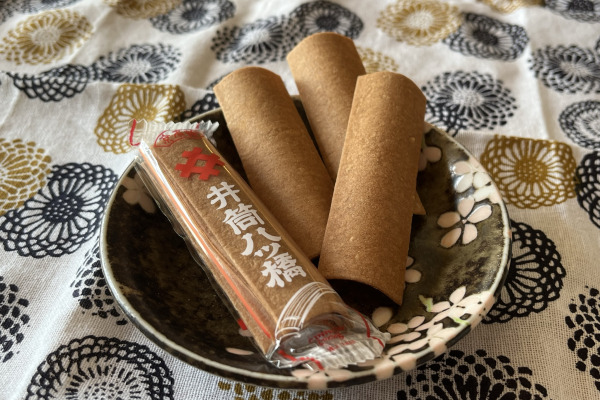
Some people may think the soft ones are the original version of yatsuhashi, but in fact, the soft variety is relatively new! The soft ones also come in many flavors.
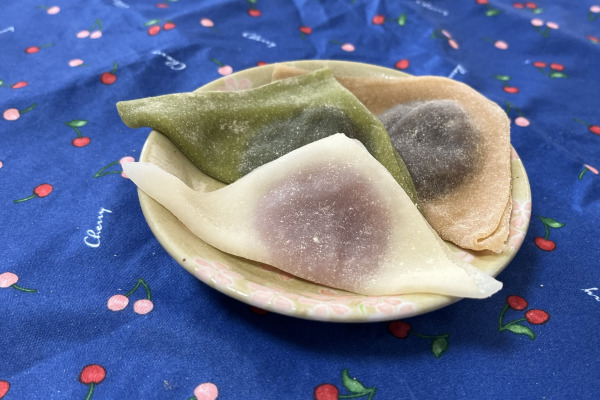
However, as people tend to enjoy the many different, or even seasonal kinds of flavors, the soft one is more popular than the original yatsuhashi.
2. Ajari Mochi – Unique Kyoto Souvenirs with History
Ajari Mochi, available at Mangetsu in Kyoto, was first invented in 1922. There are several stores throughout Kyoto, including Kyoto Station, so it will not be hard to buy one.
The name refers to the monks who practiced on Mount Hiei, and the mochi’s shape resembles the traditional monk’s hat. Inside, the mildly sweet anko filling is complemented by the mochi powder in the batter, giving it a light, airy flavor. Mangetsu is one of the best places to experience this unique Kyoto souvenir firsthand.
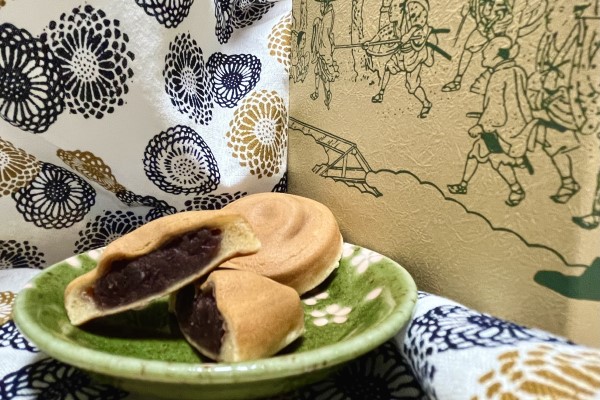
It says mochi, but it is more like manju rather than mochi. The most likely reason people call it mochi is because mochi powder is in the batter of the cake. Inside each mochi is a mildly sweet anko (bean paste) filling. With their light flavor, you’ll be surprised just how quickly you’ll finish the box.
3. Matsukaze – Traditional Miso-Flavored Kyoto Sweet
Matsukaze has been crafted at Kameya Mutsu since 1421, originally as a treat for monks at Ishiyama Honganji Temple. The miso-flavored “cake” has a bread-like texture and a subtle, rich taste that sets it apart from other Kyoto confections. Kameya Mutsu continues to preserve the traditional recipe, making it a must-try for anyone seeking authentic Kyoto souvenirs.
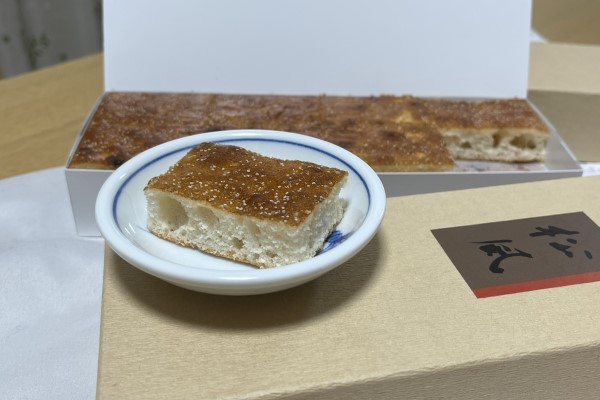
Matsukaze is a very unique traditional confection, but its dry texture of unusual flavor might not please everyone.
4. Seijo Kankidan – Crispy, Cinnamon-Filled Kyoto Wonton
Here is a personal favorite: Seijo Kankidan. Seijo Kankidan can be found at Kameya Yoshinaga, a shop in business since 1617. These fried wonton treats are infused with cinnamon and filled with anko spiced in the traditional manner. Their unique lotus-shaped coils make them both visually striking and delicious, representing one of Kyoto’s oldest souvenir sweets.
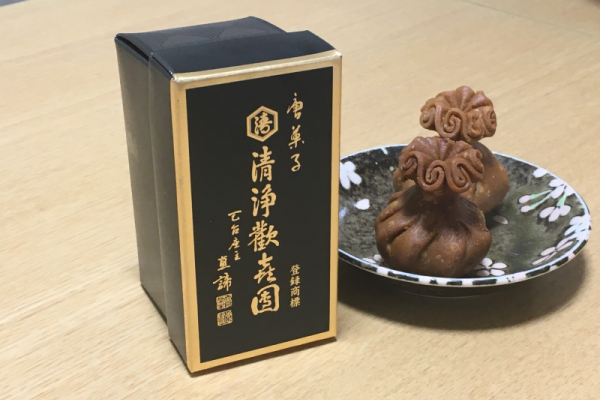
A box of just two is well over 500 yen, which might seem a little steep, but considering it is Kyoto, that price is not out of the ordinary.
5. Dorayaki – Kyoto’s Original Sweet Crepe
Sasaya Iori in Kyoto offers a special version of dorayaki, considered the precursor to the modern treat. Their thin crepe-like sheets wrap around a mildly sweet anko filling, a style originally made for monks at Toji Temple during the Edo period. Availability is limited to the 20th–23rd of each month, so visiting Sasaya Iori during these dates ensures you get the authentic experience.
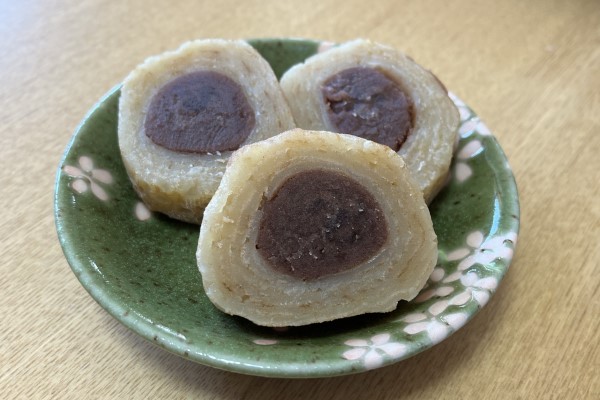
However, the stores are located in many places throughout Kyoto city and even in several other prefectures. If you come across it, you should definitely give this traditional Kyoto souvenir a try!
Hungry for more? Check out our post on this special dorayaki.
6. Ubatama – Shiny Black Sugar Anko Delicacy
Ubatama, also available at Kameya Yoshinaga, has been a staple Kyoto souvenir for over 200 years. This shiny anko treat is coated in gelatin, giving it a chocolate-like appearance, while black sugar gives it a deep, rich flavor. The sesame seed spots resemble the leopard lily, or nubatama, making it as beautiful as it is tasty.
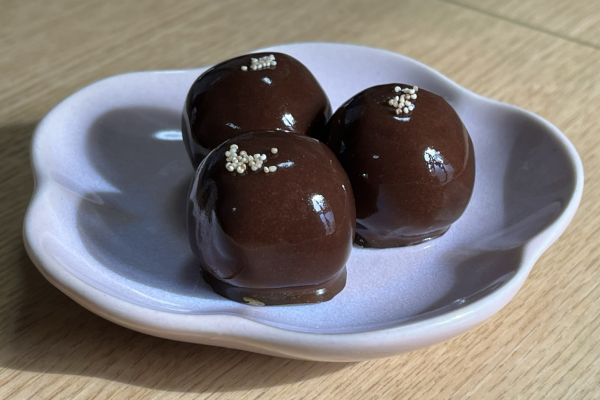
You should easily be able to find them throughout Kyoto, and definitely in the Isetan department store in Kyoto Station.
7. Karaita – Ancient Kyoto Souvenirs to Bring Home
Karaita has been sold at Mizuta Gyokuundo since 1479 and is considered one of Kyoto’s oldest souvenir confections. This lucky cracker, made from sugar, flour, and egg, was originally created to ward off illness during a plague. Its simplicity and light crunch make it perfect to pair with a cup of hojicha, and the shop continues to uphold the centuries-old tradition.
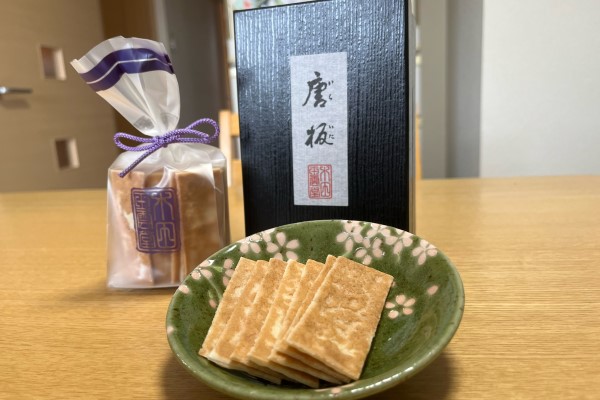
It is made from only sugar, flour, and egg, and though it is technically a kind of senbei, it feels more like a cookie. It is very simple, but it is for this reason that it is so popular.
In my opinion, these crunchy treats are best paired with a hot cup of hojicha.
A Sweet Ending to Your Kyoto Souvenirs Hunt
Whether you’re shopping at Kyoto Station, strolling the streets of Gion, or browsing in department stores, these traditional sweets make thoughtful and delicious Kyoto souvenirs. Each treat carries a bit of history—from temple traditions to regional recipes passed down for generations—making them more than just snacks.
If you only try a few, start with classics like yatsuhashi or ajari mochi; if you’re adventurous, seek out matsukaze or seijo kankidan for a deeper taste of Kyoto’s past. No matter which you choose, you’ll bring home more than a souvenir—you’ll bring a piece of Kyoto’s culture.

Leave a Reply